









New Delhi: Nike is facing renewed pressure to revive its business after reporting weaker quarterly sales, warning of a steep revenue decline for the current financial year and announcing another round of restructuring and job cuts.
The sportswear giant reported $11.2 billion in revenue for the first quarter of fiscal 2027, down 4% from a year earlier. Nike Brand revenue also fell 4%, while Nike Direct revenue declined 8%. The company expects revenue to fall by a high-single-digit percentage in fiscal 2027.
The latest results have intensified scrutiny of CEO Elliott Hill’s turnaround strategy, particularly as Nike continues to deal with weakness in Greater China, declining digital sales, pressure on the Jordan brand and growing competition from newer sportswear companies.
Nike announces another cost-cutting programme
Nike has introduced a new operating model transformation called Pace, which it expects to generate approximately $2.5 billion in cumulative savings through fiscal 2031.
The programme is designed to simplify the organisation, improve productivity and allow Nike to redirect resources towards its core sports categories.
However, the savings will involve restructuring expenses. Nike expects around $1 billion in pre-tax charges through fiscal 2031, mainly related to employee costs and other restructuring activities. The company also expects approximately $300 million in additional severance costs during fiscal 2027.
Nike has not disclosed the exact number of employees who will be affected by the latest job cuts.
The company has previously undertaken several rounds of cost reduction as Hill attempts to restore growth and improve profitability.
Sales decline across important businesses
Nike’s latest quarter showed weakness across several major parts of its business.
Nike Direct revenue fell 8%, while digital sales declined 13%. Sales through Nike-owned stores dropped 5%. Converse revenue fell sharply by 28%.
Nike Brand footwear revenue also declined 6%, highlighting pressure on the company’s most important product category.
Greater China was among the weakest markets. Revenue there declined 22% on a reported basis and 26% on a currency-neutral basis, marking another difficult quarter for a region that has historically been important to Nike’s international business.
There were some positive developments. Nike’s gross margin improved by 60 basis points to 42.8%, while selling and administrative expenses fell 3%.
North America also recorded growth, providing some support for the company as other regions struggled.
China remains a major challenge
The performance in China is one of the biggest issues facing Nike.
Greater China has now recorded its ninth consecutive quarterly sales decline, according to Reuters. The company is facing increasing competition from both international and domestic sportswear brands, while consumer preferences in the market have also changed.
Nike is responding by changing its distribution strategy in the country. The company plans to terminate online sales partnerships with major Chinese retailers in early 2027 as it attempts to regain greater control over pricing and its digital presence.
Nike executives have acknowledged that the turnaround in China could take time.
The company is also working to make its products more relevant to Chinese consumers and reduce its reliance on promotions and discounts.
Jordan brand also under pressure
The Jordan Brand has been another weak point.
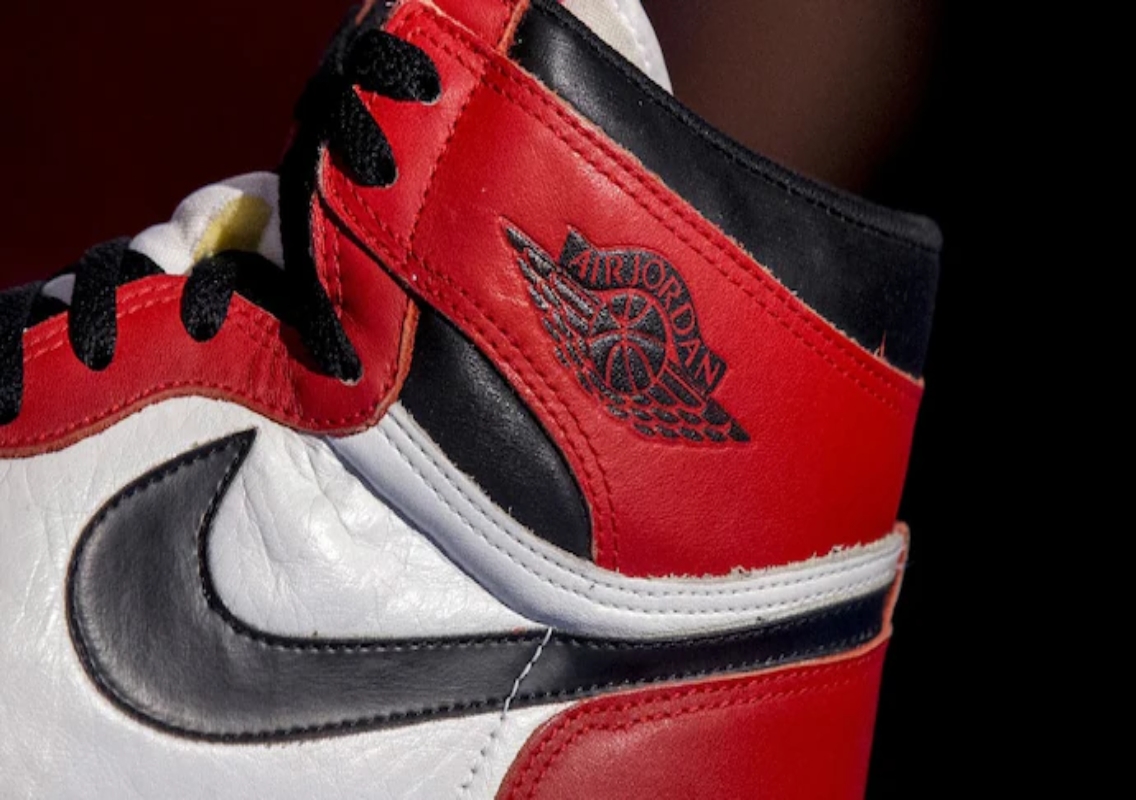
Nike said Jordan Brand revenue declined by a mid-teens percentage in the latest quarter. The company has acknowledged that it had supplied too many of certain retro products, reducing their scarcity.
As part of the turnaround, Nike plans to reduce the volume and frequency of some Jordan retro launches, including the Air Jordan 1.
The strategy is intended to make selected products less readily available and create greater focus around new releases.
The change reflects a broader effort by Nike to move away from an excessive reliance on established lifestyle products and put more emphasis on performance sportswear.
Competition is becoming broader
Nike’s challenges are also unfolding in a sportswear market with more competitors.
Traditional rivals such as Adidas and Puma continue to compete across major categories, while brands including On and Hoka have expanded rapidly, particularly in running.
Nike has also faced changes in its athlete endorsement portfolio.
French football star Kylian Mbappe ended his long-standing partnership with Nike and signed with Swiss sportswear company On. Reuters reported that On is preparing to enter football, with its first football boots planned for 2027.
Nike has also recently lost Spanish footballer Lamine Yamal to Adidas, according to Reuters.
These individual endorsement changes do not determine Nike’s overall business performance, but they illustrate the increasingly competitive environment for athlete partnerships and sportswear marketing.
Nike shares have fallen sharply
The company’s difficulties have also been reflected in its stock-market performance.
Nike shares closed at $35.15 on October 1, down 0.7% for the session. Following the earnings announcement, the stock fell further in after-hours trading.
Nike ended 2025 at $63.71, meaning the shares had fallen by roughly 45% by the October 1 close. The stock subsequently traded around $32.09 in after-hours activity, bringing the decline from the end of 2025 close to approximately 50%.
The shares also touched about $35.02, a 52-week low based on market data available after the results.
Reuters reported that Nike’s market value and earnings have fallen significantly since Hill returned as CEO in 2024, increasing pressure on the company’s turnaround efforts.
Nike was also removed from the S&P 100 in September after nearly 18 years in the index. The company remains part of the broader S&P 500.
Nike shifts focus back to performance sports
The latest restructuring is not solely about cutting costs.
Under Hill, Nike has been attempting to shift the company’s focus back towards performance sports, including running, basketball and football, while rebuilding relationships with wholesale partners.
The company has acknowledged that it became too reliant on lifestyle products and promotions and is attempting to strengthen its product pipeline.
Nike’s management has also said that it needs to make improvements in Nike Sportswear, Jordan Brand and Greater China.
The company therefore faces a dual challenge: reducing costs in the short term while investing in products and sports categories that can generate sustainable demand over the longer term.
New India campus part of restructuring
Nike’s restructuring also includes plans for a new campus in India.
The company sees India as an important location for talent and operational capabilities as it reorganises its global business.
The broader restructuring will consolidate Nike’s geographical operations and is intended to simplify decision-making while giving regional teams greater responsibility.
The company expects the largest benefits from the Pace programme to materialise later in the decade, meaning the savings are unlikely to provide an immediate solution to Nike’s sales challenges.
Turnaround could take longer
Nike’s latest results suggest that its recovery is likely to take longer than initially expected.
The company continues to have substantial advantages, including a globally recognised brand, a large athlete portfolio, extensive retail distribution and significant financial resources.
However, the combination of declining sales, weak performance in China, pressure on Jordan, digital weakness, restructuring costs and stronger competition has made the turnaround more complicated.
Nike expects fiscal 2027 revenue to decline by a high-single-digit percentage, while management has indicated that improvements in some troubled businesses will take time.
The company’s next major strategic update is expected at its investor presentation in November, when management is expected to provide more details about its restructuring programme and longer-term plans.
For Nike, the task now is to balance cost reductions with renewed investment in innovation, performance products and its most important markets. The iconic Swoosh remains one of the world’s most recognisable sports brands, but the latest financial results show that restoring its previous growth trajectory will require significant changes.