







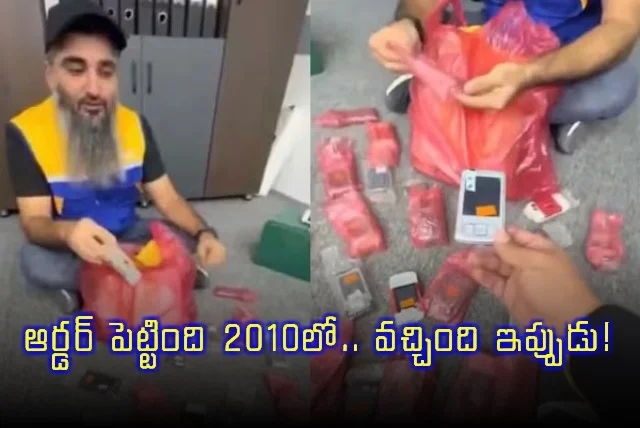


In a striking illustration of the long shadow cast by conflict, a mobile phone dealer in Libya’s capital recently received a shipment of Nokia phones that had been ordered as far back as 2010. The consignment, delayed for nearly 16 years, finally arrived after being stranded in warehouses due to years of civil war, collapsed infrastructure and paralysed logistics.
The episode has drawn global attention after a video of the unboxing went viral on social media, blending humour with a sobering reminder of how prolonged instability disrupts everyday life.
Lost to war and broken systems
The phones were ordered just before Libya descended into conflict in 2011. As fighting spread and governance structures crumbled, customs systems stopped functioning, supply chains broke down and warehouses were abandoned. Amid the chaos, the shipment was effectively forgotten.
Ironically, both the sender and recipient of the consignment were based in Tripoli, only a few kilometres apart. Yet, what should have been a routine delivery took more than a decade and a half to complete.
“Phones or historical artefacts?”
When the boxes were finally opened, the shopkeeper could not contain his laughter. The shipment contained button-based Nokia models that once dominated the global market, including music-edition phones and Nokia Communicators—devices that were symbols of prestige in their time but are now technologically obsolete.
“Are these phones or historical artefacts?” he joked in the video, as he unpacked the long-forgotten models.
Social media reacts
The video quickly went viral, with users amused by the absurdity of the delay while also reflecting on the deeper impact of conflict. Some commenters noted the growing global demand for vintage technology, suggesting the phones might now be more valuable as collector’s items than they were in 2010.
Others pointed out that the incident serves as a stark reminder of how war disrupts even the most basic commercial activities, turning an ordinary business transaction into a 16-year saga.