







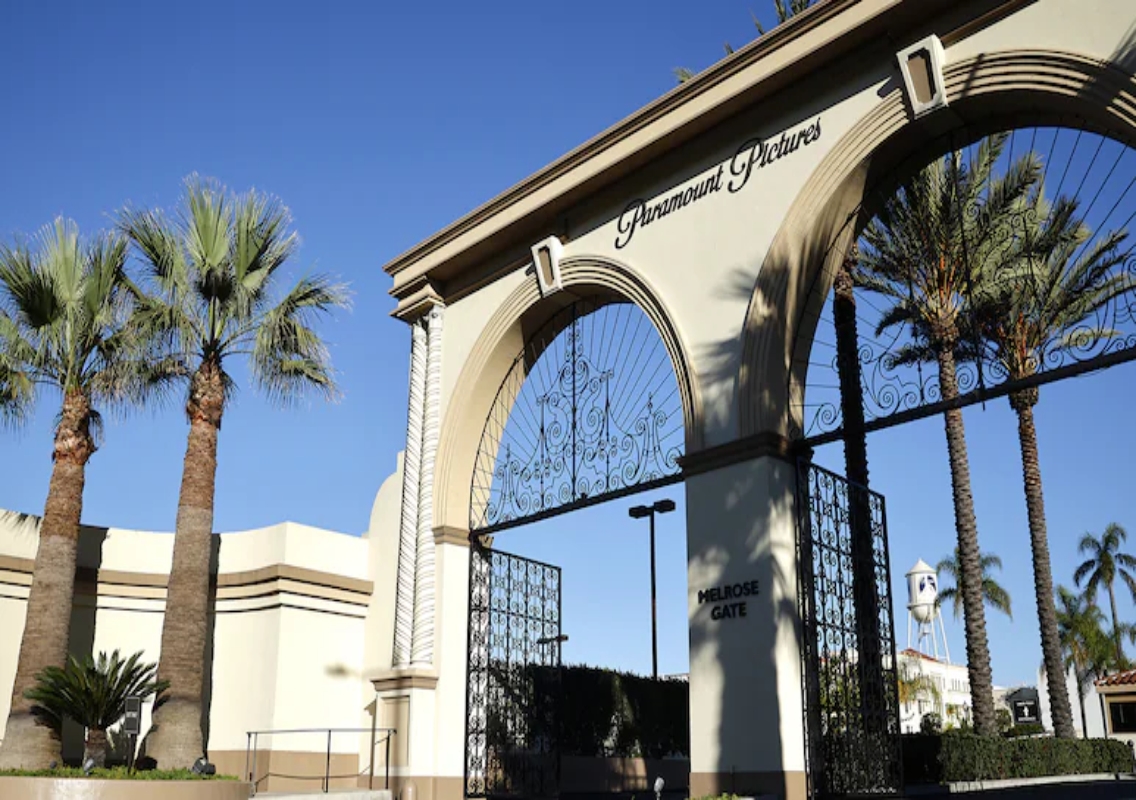


Los Angeles: Gerry Cardinale, founder of RedBird Capital Partners and one of the architects of Paramount Skydance’s proposed acquisition of Warner Bros. Discovery, has said the planned $110 billion-plus merger is intended to drive meaningful growth rather than simply reduce costs and jobs.
Speaking at the Bloomberg Screentime conference in Los Angeles, Cardinale said investors could be surprised by the performance of the combined company. He argued that while some cost-cutting and changes in employee roles would inevitably take place, those measures were not the central purpose of the transaction.
The comments come as Paramount Skydance moves closer to completing one of Hollywood’s largest-ever media transactions. The proposed acquisition would bring Warner Bros. Discovery’s film and television assets under the same corporate umbrella as Paramount’s entertainment businesses.
Cardinale says growth is the main objective
Cardinale said Paramount Skydance expects the combined business to show what he described as a trajectory of meaningful growth.
He acknowledged that the merger would involve cost reductions and that some employees could move into different positions. However, he rejected the idea that Paramount’s strategy was primarily based on eliminating jobs.
According to Cardinale, a company would not spend billions of dollars every year producing films if its fundamental business plan was simply to reduce the Hollywood workforce. He instead presented the transaction as a strategy aimed at expanding the combined company’s business and entertainment opportunities.
The comments address one of the major concerns surrounding media consolidation: whether mergers create growth by combining complementary businesses or primarily deliver savings through restructuring.
$110 billion-plus Warner acquisition
Paramount Skydance’s acquisition of Warner Bros. Discovery is valued at around $110 billion to $111 billion, including debt.
The transaction followed a bidding battle involving Netflix. Paramount initially lost out to Netflix before returning with an improved offer in February, eventually securing the support needed to move ahead with the acquisition.
The deal would combine two major Hollywood entertainment businesses and significantly expand Paramount’s portfolio.
Warner Bros. Discovery owns Warner Bros. film and television operations as well as properties including HBO and Discovery-related television businesses. Paramount’s portfolio includes Paramount Pictures, CBS and other entertainment assets.
The combination would create a substantially larger media company at a time when traditional television, cinema and streaming businesses are undergoing significant changes.
Cost savings will still be part of the deal
Although Cardinale emphasised growth, he did not suggest that the merger would have no cost-cutting component.
He acknowledged that there would be reductions and changes in employee positions as the two businesses are integrated.
This is common in large mergers, where overlapping corporate functions, technology systems, distribution operations and administrative structures can be consolidated.
The scale of any eventual workforce changes remains an important issue for Hollywood employees and unions. The proposed transaction has already faced opposition from the Writers Guild of America and a coalition of US state attorneys general, who challenged the deal on competition grounds.
A settlement reached with the states and the Writers Guild has removed a significant legal obstacle to the transaction, allowing Paramount to move closer to completion.
Deal could close on October 6
Paramount Skydance was reported to be on track to close the Warner Bros. Discovery transaction on October 6, 2026, following settlements with 12 state attorneys general and the Writers Guild trade union.
The settlements followed months of legal uncertainty surrounding the transaction.
The proposed merger had faced antitrust opposition from state officials, who argued that combining major film distributors and cable television businesses could reduce competition. California led the coalition that challenged the deal.
The settlement process has therefore been an important step in allowing Paramount to proceed with the acquisition.
However, the closing date remains subject to completion of the required transaction processes.
Financing has attracted strong investor demand
Paramount has also been arranging substantial financing for the acquisition.
A recent bond offering attracted more than $109 billion of investor orders, about 3.6 times the amount expected to be sold, according to people familiar with the transaction cited by Bloomberg.
The financing package includes investment-grade bonds, high-yield debt and loans across US dollars and euros. The acquisition is expected to add more than $30 billion of debt to Paramount’s balance sheet.
Moody’s has highlighted the resulting leverage and said Paramount’s credit metrics at closing would resemble those of highly speculative issuers. S&P, meanwhile, has pointed to the Ellison family’s commitment to reducing leverage over the following years.
These differing assessments illustrate the financial challenges accompanying the transaction, even as Paramount’s dealmakers emphasise growth.
Streaming and content scale in focus
One of the strategic arguments behind the merger is the opportunity to bring together larger content libraries and entertainment businesses.
The combined company would have access to major film franchises, television programming, streaming services and international distribution networks.
For Paramount, the Warner Bros. acquisition would substantially expand the company’s content portfolio. The deal also comes at a time when streaming companies are competing for consumer attention while attempting to improve profitability.
The ability to spread content costs across a larger business could provide potential operational advantages. However, integrating two large media organisations also involves substantial expenses and execution risks.
The eventual performance of the combined company will therefore depend on factors including content production, streaming economics, advertising, theatrical releases and international operations.
RedBird’s role in Paramount’s strategy
Cardinale has played a central role in Paramount’s recent dealmaking.
He helped negotiate and finance Skydance Media’s acquisition of Paramount Global and subsequently supported David Ellison’s pursuit of Warner Bros. Discovery.
RedBird Capital has also been involved in other media transactions. This year, its deals included an investment in newsletter and podcast company Puck and the merger of European television producers Banijay Entertainment and ALL3Media through its RedBird IMI joint venture.
Cardinale’s involvement therefore extends beyond the Warner transaction and reflects RedBird’s broader strategy of investing in media and entertainment businesses.
Political scrutiny around the deal
Cardinale also pushed back against suggestions that the Ellison family’s relationship with US President Donald Trump was a decisive factor in regulatory approval of the Paramount-Warner transaction.
He described the focus on the family’s relationship with Trump as overstated and said companies in the US should maintain relationships with the administration in power. His comments were made in response to questions about the political dimension surrounding the transaction.
The remarks represent Cardinale’s assessment of the issue rather than an independent finding about the role of political relationships in the regulatory process.
The deal’s approval has also involved formal legal and regulatory processes, including the settlements with the state attorneys general and the Writers Guild.
What the merger means for Hollywood
If completed, the Paramount-Warner transaction would reshape Hollywood’s corporate landscape by placing two major entertainment businesses under common ownership.
The immediate focus will be on integrating the companies while maintaining their film, television and streaming operations.
Cardinale’s comments indicate that Paramount’s dealmakers want investors to view the merger primarily as an opportunity to expand the business rather than as a restructuring exercise centred on job reductions.
At the same time, the financial commitments behind the transaction and the acknowledged cost-cutting measures mean that integration will involve significant changes.
With the proposed closing date approaching, attention will now shift from the legal battle over the transaction to how Paramount Skydance executes its strategy once Warner Bros. Discovery becomes part of the combined company.