







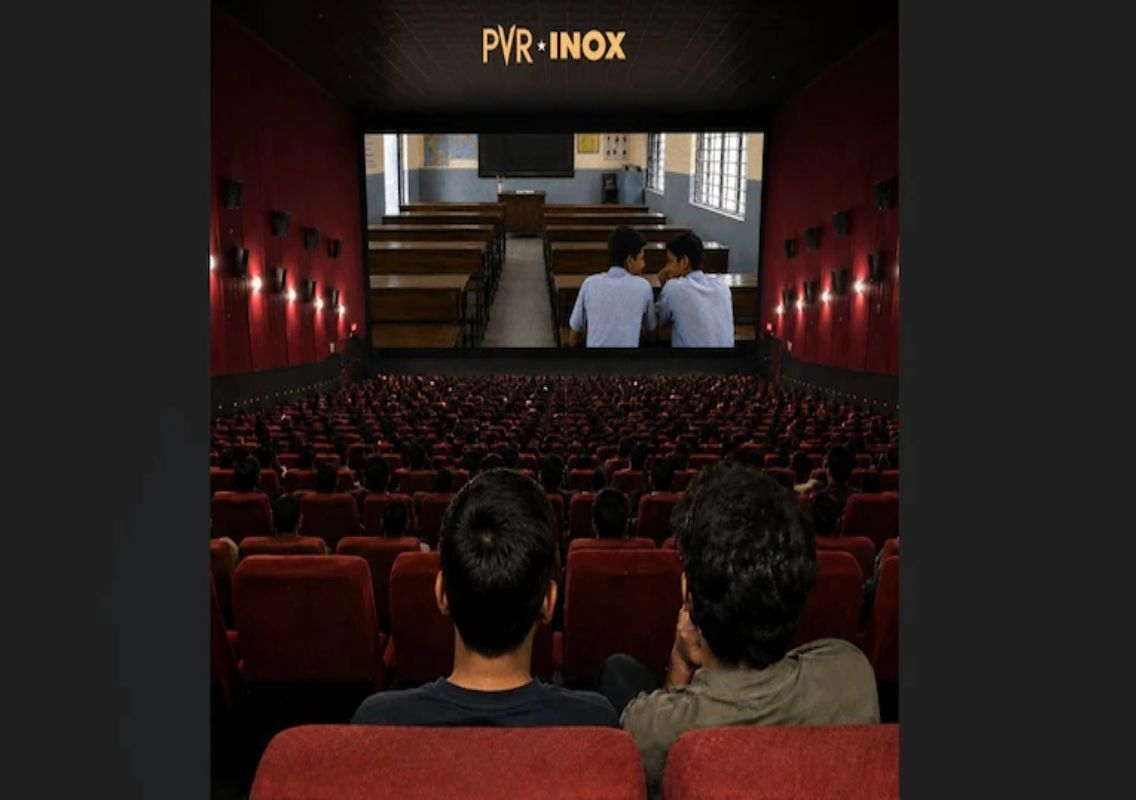


Mumbai: India’s largest multiplex chain PVR Inox Ltd. is set to expand aggressively into smaller towns with a new affordable cinema model, aiming to make movie-going accessible to a wider audience across the country.
The company has announced plans to open around 300 “Smart Cinema” halls over the next three years, with ticket prices capped at approximately Rs 190. This move is targeted at tapping into emerging markets beyond metro cities, where demand for quality entertainment infrastructure is steadily rising.
Affordable cinema for emerging markets
The proposed Smart Cinema halls will primarily be located in tier-2 and tier-3 towns such as Muzaffarpur, Barrackpore, and Hanumangarh. These locations have traditionally had limited access to modern multiplex experiences.
According to Sanjeev Kumar Bijli, Executive Director of PVR Inox, the strategy is based on the growing aspirations of audiences in smaller towns. He noted that consumers in these regions are willing to spend on quality experiences and want access to the same facilities available in bigger cities.
The ticket pricing for these cinemas is expected to be around Rs 175–190, nearly 40% lower than the average ticket prices in metro cities, making it an attractive option for price-sensitive audiences.
Franchise-led expansion model
Unlike traditional multiplex rollouts, these Smart Cinema halls will be owned by franchise partners while being operated by PVR Inox. This asset-light model allows the company to expand rapidly while reducing capital expenditure and operational risks.
Lower costs in smaller towns—including land, electricity, and manpower—also make the model financially viable. By leveraging these advantages, PVR Inox aims to maintain profitability while offering lower ticket prices.
Strong box office momentum supports growth
The expansion comes at a time when PVR Inox is experiencing strong box office performance. Successful releases such as Dhurandhar: The Revenge, Project Hail Mary, The Odyssey, and Spider-Man: Brand New Day have contributed to increased footfalls and revenue growth.
Looking ahead, the company is optimistic about upcoming films like Toxic, Ramayana, and Dune: Part Three, which are expected to sustain audience interest and drive theatre occupancy.
The company’s stock performance also reflects this positive momentum, with shares rising around 17% this year, outperforming the benchmark Nifty 50, which has declined during the same period.
Enhancing the cinema experience
While keeping ticket prices affordable, PVR Inox plans to offer a simplified but quality cinema experience in these Smart Cinema halls. Food and beverage options will include popular items such as popcorn and nachos, priced lower than metro outlets.
In addition, the company is exploring new engagement strategies, including photo booths and virtual reality gaming zones within multiplexes, to attract younger audiences and enhance overall customer experience.
Diversifying revenue streams
To reduce dependency on box office collections, PVR Inox is also focusing on alternative content and events. These include live sports screenings, concert broadcasts, TED-style talks, devotional programming, and even corporate events.
Such initiatives have already shown promise, generating around 12 lakh admissions last year. The company expects this number to grow by approximately 10% this year, helping maintain steady footfall even during periods without major film releases.
Industry outlook and challenges
Industry experts believe the move into smaller towns could unlock significant growth potential for multiplex operators. However, they also caution that the business remains highly dependent on consistent content quality and audience turnout.
Fluctuations in box office performance, especially due to inconsistent film releases, continue to pose a challenge for the exhibition sector. As a result, diversification and cost optimisation will be key to sustaining growth.
Conclusion
PVR Inox’s plan to introduce affordable Smart Cinema halls marks a strategic shift towards inclusive growth in India’s entertainment sector. By targeting smaller towns with lower ticket prices and accessible infrastructure, the company aims to capture a new wave of moviegoers. If executed successfully, this expansion could redefine cinema consumption patterns beyond urban centres and strengthen the company’s position in the evolving market.
(This story has not been edited by News Karnataka staff and is auto-generated from a syndicated feed.)