







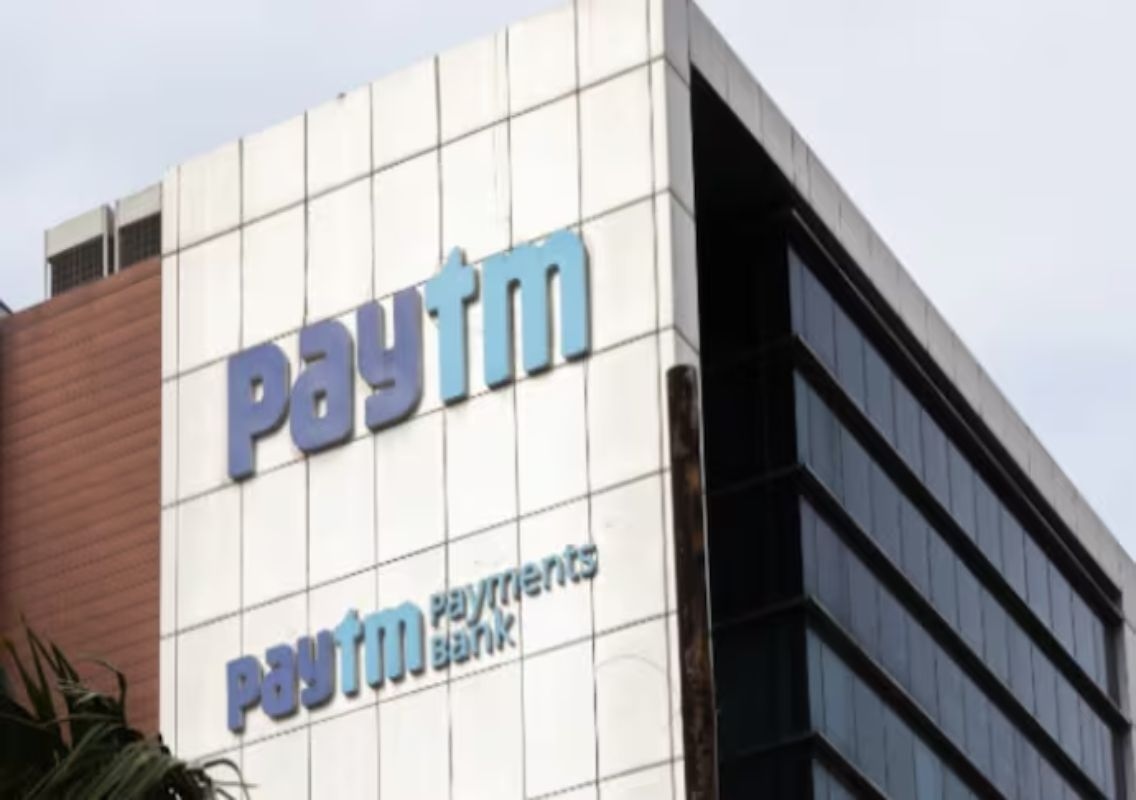


New Delhi: The Reserve Bank of India (RBI) has cancelled the banking licence of Paytm Payments Bank Limited (PPBL), marking the culmination of a prolonged period of regulatory scrutiny and restrictions. While the announcement may sound alarming, the practical impact on most Paytm users is expected to be limited.
The central bank, in its order dated April 24, stated that the licence issued under the Banking Regulation Act stands cancelled with effect from the close of business on the same day. It also directed that the entity must immediately stop carrying out banking operations.
End of a long regulatory process
The RBI’s decision does not come as a sudden development. Over the past few years, PPBL had already been operating under strict regulatory restrictions.
In March 2022, the bank was barred from onboarding new customers. Subsequently, the RBI imposed further limitations, including a ban on fresh deposits, credit transactions, and wallet top-ups.
These restrictions had already curtailed most of the bank’s core operations. As a result, the latest move largely formalises the shutdown of a banking entity that had not been functioning normally for some time.
What happens to your money?
One of the primary concerns for users is the safety of their funds. The RBI has clarified that PPBL has sufficient liquidity to repay all its deposit liabilities.
This means customers with balances in Paytm Payments Bank accounts should be able to recover their money during the winding-up process. The RBI has also indicated that it will approach the High Court to initiate formal proceedings for winding up the bank.
Users are advised to follow official communication from Paytm and regulatory authorities regarding the withdrawal or transfer of their funds.
Impact on Paytm app users
For the majority of users, especially those who use the Paytm app for everyday transactions, the impact may be minimal.
If your Paytm account is linked to another bank for UPI transactions, your ability to send and receive money is unlikely to be affected. UPI payments depend on the linked bank account rather than the payments bank itself.
Similarly, services such as QR code payments and merchant transactions may continue to function as long as they are routed through partner banks.
Why RBI took this step
In its order, the RBI cited serious concerns regarding the functioning of PPBL. It stated that the bank’s affairs were conducted in a manner detrimental to the interests of depositors.
The regulator also pointed to issues related to governance and compliance, noting that the management’s conduct was prejudicial to public interest. Additionally, the bank was found to have failed in meeting certain licensing conditions.
These concerns ultimately led the central bank to take the final step of cancelling the licence.
What users should do next
For existing PPBL customers, the immediate priority is to ensure that any remaining balances are withdrawn or transferred as per official guidelines.
Users who rely heavily on Paytm for financial transactions may consider linking alternative bank accounts to avoid any inconvenience. Keeping track of updates from both Paytm and RBI will be crucial in the coming weeks.
It is also advisable to verify which services are linked directly to PPBL and which are routed through other banking partners.
Conclusion
The cancellation of Paytm Payments Bank’s licence marks the end of a long regulatory journey rather than the beginning of a sudden disruption. Since most key restrictions were already in place, the day-to-day experience for many Paytm users is expected to remain largely unchanged.
However, customers with balances in PPBL should take timely action to secure their funds. As the situation unfolds, clarity from regulators and the company will play a key role in ensuring a smooth transition for users.