







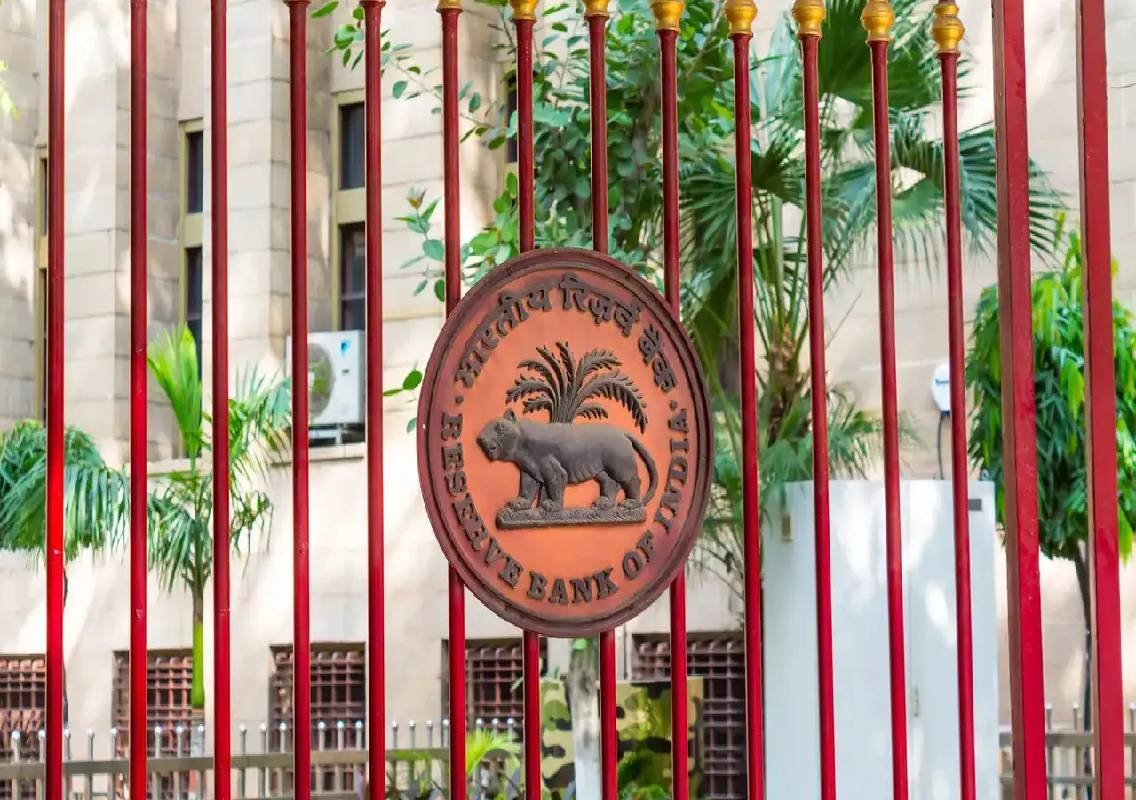


Mumbai: The Reserve Bank of India (RBI) is unlikely to raise interest rates despite the continued weakness in the Indian rupee, with policymakers expected to keep inflation as the primary focus of monetary policy, according to a Reuters report citing sources familiar with the matter.
The report stated that the central bank does not believe aggressive rate hikes are the best solution to defend the domestic currency, even as the rupee remains under pressure amid rising crude oil prices and global uncertainty linked to the West Asia conflict.
Officials familiar with the discussions reportedly said the RBI is more concerned about balancing inflation control with economic growth rather than directly targeting the rupee through borrowing cost increases.
RBI exploring alternative measures
According to sources quoted by Reuters, the RBI and the Central Government are evaluating several alternative measures to support the currency and stabilise financial markets without resorting to interest rate hikes.
Among the measures being considered are special dollar deposit schemes aimed at non-resident Indians (NRIs), along with possible tax-related incentives for debt investors. These tools have been used in the past to attract foreign currency inflows and improve liquidity during periods of external pressure.
Sources indicated that all available options are being discussed in coordination with the Government of India. However, policymakers reportedly do not see an urgent need for immediate monetary tightening.
“There doesn’t seem to be an urgent need for the central bank to jump into rate hikes,” one source told Reuters.
The central bank has instead focused on market intervention and liquidity management measures to prevent excessive volatility in the foreign exchange market.
Rupee weakens amid global oil shock
The Indian rupee has witnessed sharp depreciation since tensions escalated in West Asia in late February 2026. The ongoing conflict involving Iran has significantly pushed up global crude oil prices, increasing pressure on oil-importing countries like India.
India imports more than 80 per cent of its crude oil requirements, making the economy highly sensitive to fluctuations in international oil prices.
Since the conflict intensified, Brent crude prices have surged by more than 50 per cent and at one stage approached the $110 per barrel mark. The sharp increase in import costs has widened concerns over India’s current account deficit and inflation outlook.
The rupee, which was trading near 91.47 against the US dollar in early March, weakened steadily over the following months. By May 22, the currency had fallen close to the 97-per-dollar level before recovering slightly following intervention by the RBI in the currency market.
The rupee is now among the weakest-performing Asian currencies in 2026, reflecting broader concerns about rising import bills, foreign fund outflows, and a stronger US dollar globally.
Foreign outflows add pressure
Apart from high oil prices, foreign institutional investor (FII) outflows have also contributed significantly to the pressure on the rupee.
Reports suggest that foreign investors have withdrawn more than $20 billion from Indian equity markets since the escalation of the West Asia conflict. The outflows have increased demand for the US dollar and weakened investor confidence in emerging market currencies.
Analysts believe continued geopolitical tensions and uncertainty in global commodity markets may keep the rupee under pressure in the near term.
At the same time, economists are divided over whether increasing interest rates would effectively support the currency. Some experts argue that higher rates could slow domestic economic growth further while offering limited support to the rupee.
India’s economic growth has already shown signs of moderation in recent quarters, and policymakers appear cautious about introducing measures that may negatively affect investment and consumption.
Inflation remains RBI’s main concern
Despite currency volatility, the RBI is expected to continue prioritising inflation management under its monetary policy framework.
Retail inflation risks have increased due to rising fuel prices and imported inflation pressures. However, sources suggest that the central bank still believes calibrated interventions and liquidity measures are preferable to aggressive rate hikes at this stage.
Market participants will now closely watch upcoming RBI policy decisions and Government measures aimed at stabilising the currency and containing inflationary pressures.
Economists believe that future policy direction will largely depend on global crude oil prices, geopolitical developments, and the pace of capital flows into Indian markets over the coming months.
Conclusion
The RBI appears determined to avoid abrupt monetary tightening despite mounting pressure on the rupee. By focusing on inflation control and alternative support measures instead of immediate rate hikes, the central bank is attempting to strike a balance between currency stability and sustaining economic growth amid challenging global conditions.