







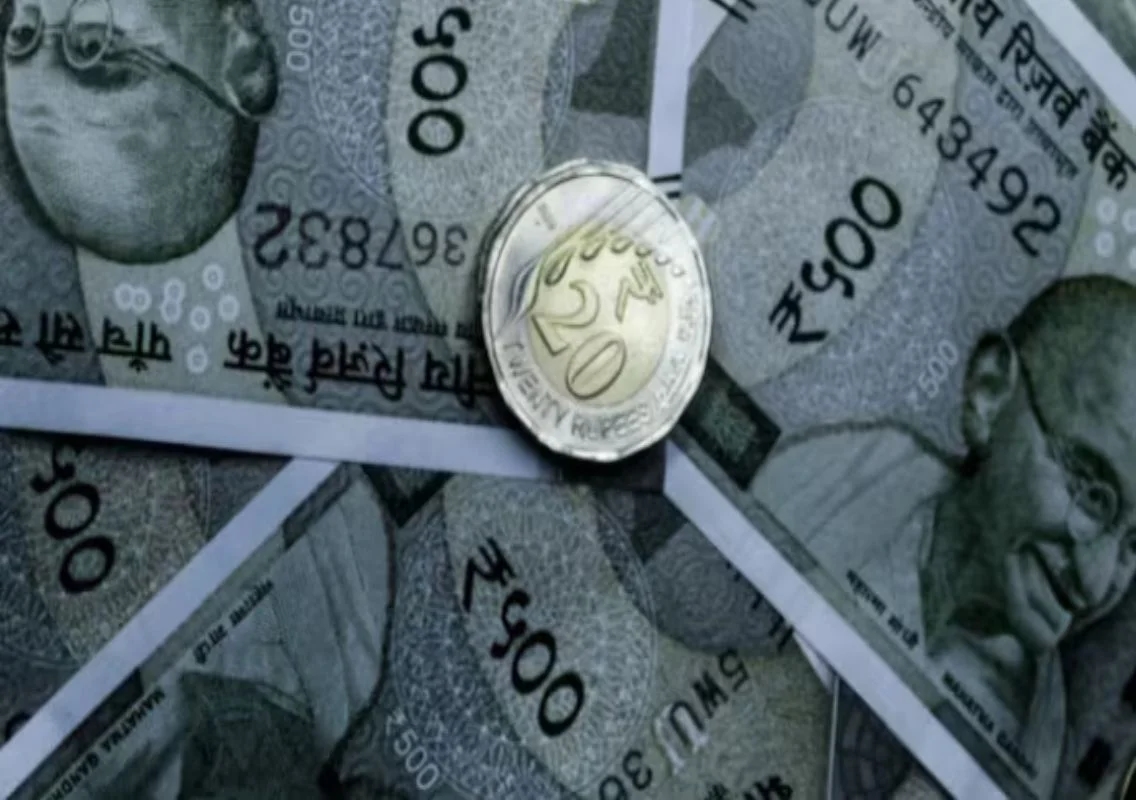


Mumbai: The Indian rupee staged a sharp recovery on Monday, climbing back below the ₹94 mark against the US dollar after hitting record lows in the previous session, offering temporary relief to currency markets.
The rupee strengthened nearly 1% to around 93.85 in early trade, bouncing back from its all-time low of 94.84 touched on Friday.
RBI steps in to stabilise currency
The key trigger behind the rebound was intervention by the Reserve Bank of India.
The central bank directed banks to cap their net open foreign exchange positions at $100 million by the end of each trading day. This effectively forced banks holding excess dollars to sell them in the market.
As a result, the sudden increase in dollar supply helped strengthen the rupee.
Short-covering accelerates the rally
The RBI’s move also triggered large-scale “short-covering” in the market.
Banks and traders who had bet on further rupee weakness rushed to unwind their positions. This led to aggressive dollar selling, amplifying the currency’s upward move.
Market estimates suggest these positions were worth billions of dollars, explaining the sharp and swift rebound.
Why the rupee remains under pressure
Despite the recovery, the broader outlook for the rupee remains fragile.
Key factors weighing on the currency include:
- Rising crude oil prices
- Strength in the US dollar globally
- Continued foreign investor outflows
India’s dependence on oil imports makes the rupee particularly vulnerable. Higher oil prices increase demand for dollars, putting downward pressure on the currency.
Global uncertainty adds to volatility
Ongoing tensions linked to the West Asia conflict have pushed oil prices higher, adding to market uncertainty.
In March alone, the rupee has weakened by over 4%, marking one of its sharpest monthly declines in recent years.
Outlook: Relief may be temporary
Experts believe the current rebound is largely technical, driven by regulatory intervention rather than a fundamental shift.
While the RBI’s action has helped stabilise the currency in the short term, sustained recovery will depend on:
- Movement in global crude oil prices
- Foreign investment flows
- Overall global risk sentiment
Conclusion
The rupee’s sharp rebound highlights the impact of timely intervention by the RBI. However, with global uncertainties and oil prices still elevated, volatility is likely to persist. For now, the central bank has paused the slide—but the road ahead remains uncertain.