







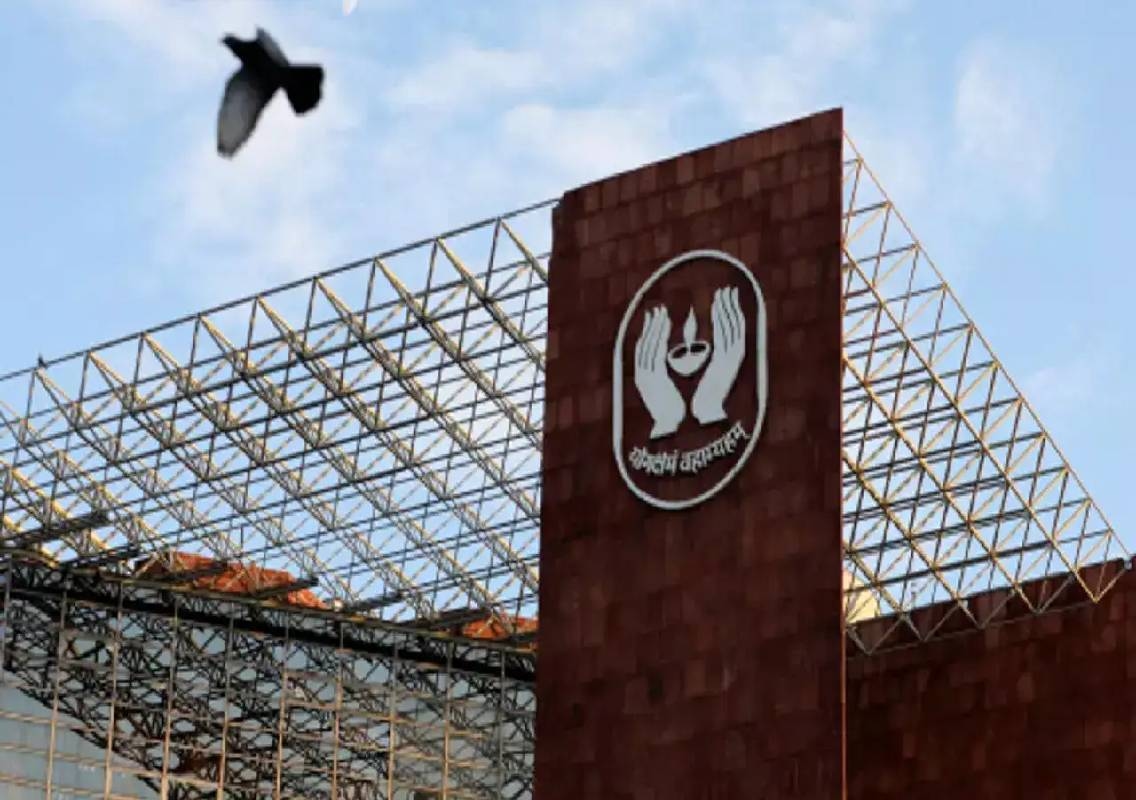


New Delhi: The Union Finance Ministry has directed state-run banks, insurance companies and financial institutions to reduce fuel consumption through online meetings, restricted travel and gradual adoption of electric vehicles amid rising fuel prices linked to global crude oil volatility.
The advisory follows recent fuel price hikes and growing concerns over the impact of the ongoing West Asia conflict on global energy markets and India’s fuel import bill.
The measures will apply to major public sector institutions including State Bank of India, Bank of Baroda and Life Insurance Corporation of India.
Centre asks institutions to reduce fuel consumption
According to reports, the Department of Financial Services has instructed public financial institutions to minimise fuel usage across operations.
The directive states that meetings, reviews and consultations should preferably be conducted through video conferencing unless physical presence is absolutely necessary.
Officials said the move is aimed at reducing travel-related fuel consumption and operational costs amid rising petrol and diesel prices.
The order is expected to affect lakhs of employees working across branches and offices of public sector banks and insurers nationwide.
Restrictions on foreign travel for senior executives
The Finance Ministry has also advised institutions to limit foreign travel by senior executives, including chairpersons, managing directors and chief executive officers.
International conferences and overseas engagements are expected to be attended virtually wherever possible.
The government believes digital participation can help significantly reduce expenditure on fuel and travel during the current global energy crisis.
Push for electric vehicles in government institutions
The Centre has additionally instructed organisations to accelerate the transition from petrol and diesel vehicles to electric vehicles.
Under the advisory, institutions have been asked to gradually replace fuel-powered vehicles used at head offices and branch offices with electric cars wherever feasible.
The move forms part of broader efforts to reduce dependence on conventional fuels and promote sustainable transportation.
State governments announce similar measures
Several state governments have also introduced steps to conserve fuel following Prime Minister Narendra Modi’s appeal to citizens.
The Delhi government has announced work-from-home measures for government and private employees twice a week while directing that 50 per cent of official meetings be held online.
In Maharashtra, authorities have initiated similar energy-saving measures.
Meanwhile, Yogi Adityanath instructed departments in Uttar Pradesh to conduct half of their internal meetings virtually.
RN Ravi also appealed to citizens to reduce energy consumption in view of the continuing tensions in West Asia.
Crude oil prices continue to rise
Global crude oil prices have remained volatile due to escalating geopolitical tensions in West Asia.
Brent crude prices reportedly rose nearly 2 per cent following fresh developments in the regional conflict.
The increase in international crude oil rates has directly impacted domestic fuel prices, leading to multiple petrol and diesel price hikes in India over recent weeks.
SBI Research estimates impact on oil companies
A recent report by SBI Research stated that the recent Rs 3 per litre increase in petrol and diesel prices could help oil marketing companies recover around Rs 52,700 crore during the financial year 2027.
However, the report warned that if global crude oil prices remain elevated, cumulative losses for oil marketing companies could still approach Rs 3.6 lakh crore.
Conclusion
The Centre’s latest fuel conservation measures reflect growing concerns over rising global energy prices and their impact on India’s economy. With public institutions now shifting towards online meetings and electric vehicles, the government appears focused on reducing fuel dependence while encouraging broader energy-saving practices across the country.