







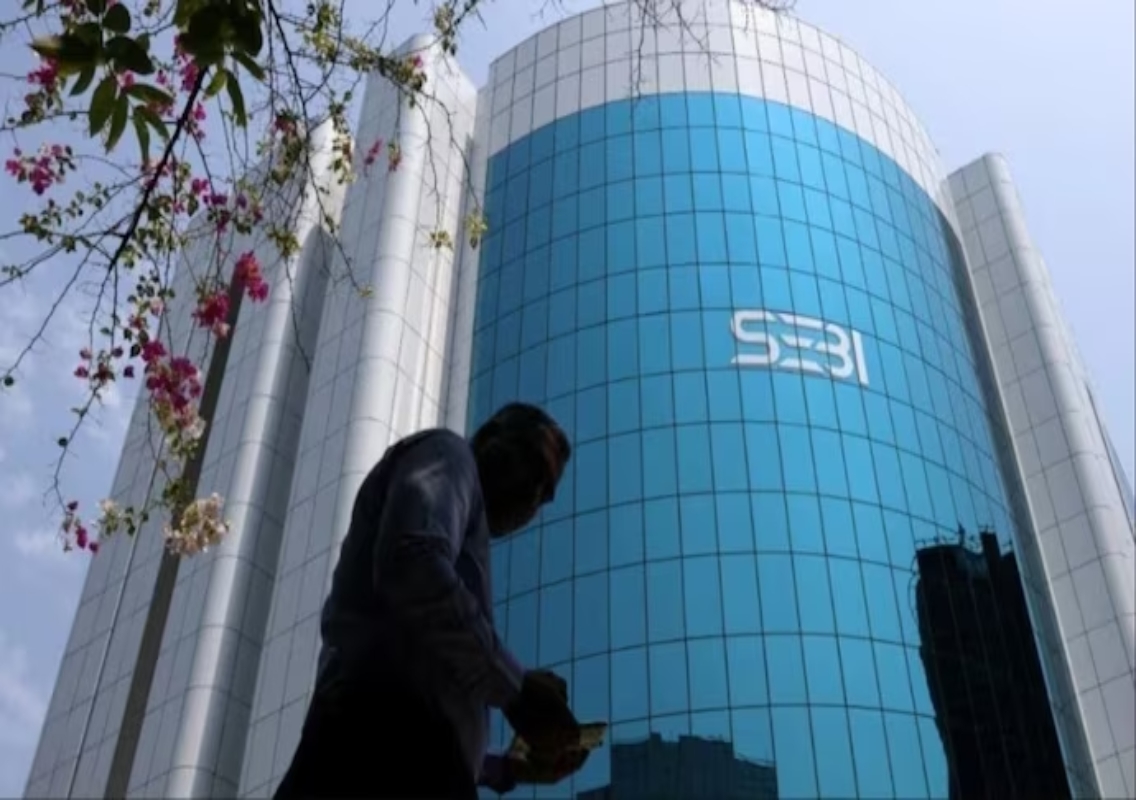


MUMBAI: The Securities and Exchange Board of India (SEBI) has advised registered intermediaries and market participants to stop publishing and circulating grey market premium (GMP) figures for upcoming initial public offerings (IPOs), warning that the unofficial numbers could mislead investors about potential listing gains.
In an advisory issued on Monday, November 23, the market regulator described GMP figures as unofficial, unverified and unregulated. It said these figures were being widely circulated through websites, digital platforms, newspapers and social media, including by some SEBI-registered intermediaries.
The regulator has asked registered entities to refrain from displaying or broadcasting such figures through websites, platforms, emails, SMS messages and social media channels.
The move is aimed at protecting investors from relying on informal price indications that have no regulatory backing. SEBI has also cautioned investors against participating in transactions linked to these premiums, saying they fall outside the regulated securities market.
What is IPO grey market premium?
Grey market premium refers to the unofficial premium at which shares of an upcoming IPO are purportedly traded before their formal listing on a recognised stock exchange.
Investors often follow GMP figures to estimate how a newly listed share might perform on its debut. For example, if an IPO is priced at Rs 100 and its reported GMP is Rs 30, the informal expectation is that the stock could list at around Rs 130.
However, such an estimate is not a guaranteed listing price or an assurance of returns. The actual listing price is determined through trading on the stock exchange after the shares are admitted to trading.
GMP transactions take place outside the recognised exchange framework. SEBI said they are not subject to regulatory oversight, carry no settlement guarantee or investor protection and do not follow any formal price-discovery mechanism.
The regulator’s concern is that investors may treat these unofficial figures as reliable indicators of demand or likely listing performance, even though their accuracy cannot be independently established through the formal market framework.
What exactly has SEBI advised?
In its November 23 advisory, SEBI said the publication, display, circulation or dissemination of unregulated pre-listing premiums, commonly called grey market premiums, may be discontinued across the securities market.
It specifically advised all SEBI-registered intermediaries and market participants to refrain from publishing, displaying or broadcasting GMP figures for IPOs.
The advisory covers several communication channels, including:
- Websites and digital platforms.
- Emails and SMS messages.
- Social media platforms.
- Other communication channels used by registered intermediaries and market participants.
The regulator said the circulation of such figures could be detrimental to investors’ interests and inconsistent with the principles of transparency and accountability in the securities market.
The advisory is directed at registered intermediaries and market participants. It does not, by itself, establish that every independent website or unregistered publisher has been made subject to a new statutory prohibition. The precise scope of the term market participants may require further clarification.
Investors will not get regulatory protection in GMP disputes
One of the most important aspects of SEBI’s advisory is its warning about the absence of investor protection for people involved in grey market transactions.
The regulator said investors participating in such transactions will not be entitled to investor protection benefits under SEBI or stock exchange jurisdiction.
They will also not be able to use the grievance redressal mechanisms administered by stock exchanges or the Online Dispute Resolution (ODR) portal managed by exchanges and depositories to resolve disputes arising from GMP dealings.
This means investors who face problems involving payment, settlement or other disagreements in unofficial grey market transactions cannot expect the same regulatory safeguards available for transactions conducted through authorised market infrastructure.
SEBI has therefore advised investors to participate in IPOs exclusively through SEBI-registered intermediaries and authorised platforms.
The warning underlines the risks of relying on informal arrangements outside the recognised securities market.
Why GMP figures can influence IPO decisions
GMP has become a widely followed indicator among retail investors preparing to apply for public issues. Financial websites and market-tracking platforms often display the latest reported premium alongside an IPO’s price band, subscription figures and listing date.
A high reported premium can create expectations of substantial listing gains and attract applications from investors hoping to sell their allotted shares soon after listing.
However, an unofficial premium may not accurately reflect the financial condition of the company, its valuation or the demand that will emerge when the stock begins trading on the exchange.
V Shanmugam, partner at MCCube, told Moneycontrol that the advisory could bring investors’ attention back to company fundamentals rather than unofficial premium quotations.
He said some investors had begun applying for IPOs primarily to benefit from grey market premiums rather than to invest in the underlying businesses. According to him, the change could make valuation, institutional demand and the company’s business prospects more important considerations.
Shanmugam also argued that issuers and merchant bankers would need to justify IPO pricing through the company’s fundamentals rather than relying on enthusiasm generated by grey market activity.
Hyundai Motor India example highlights GMP limitations
The debate around the usefulness of GMP has also drawn attention to cases where unofficial listing expectations did not match actual market performance.
Shanmugam cited Hyundai Motor India’s IPO as an example. The company’s shares listed at Rs 1,934 against an issue price of Rs 1,960, resulting in a listing below the offer price.
However, the stock subsequently reached an all-time high of around Rs 2,890, nearly 47% above its issue price, according to the example cited by him.
The comparison illustrates that an IPO’s performance on listing day and its longer-term market performance can differ. A grey market quotation, even when widely circulated, cannot establish how a stock will trade after listing.
He also cited an example of an IPO with a reported premium exceeding 100%, where expectations were significantly higher than the subsequent market price. Such instances, he argued, demonstrate the risks of using unofficial premiums as a substitute for evaluating a company’s business and valuation.
What should investors examine before applying for an IPO?
With SEBI cautioning against GMP-based decisions, investors can focus on information available through official IPO documents and regulated market disclosures.
Some important factors include:
- Company financials: Review revenue, profitability, debt levels and cash flows.
- Valuation: Compare the IPO’s valuation with that of listed companies operating in similar businesses.
- Business model: Understand how the company earns revenue, its competitive position and its growth prospects.
- Use of proceeds: Examine whether the funds will be used for expansion, debt repayment, working capital or other purposes.
- Risk factors: Read the red herring prospectus to understand the risks identified by the company.
- Subscription data: Track official subscription figures, while remembering that strong demand does not guarantee listing gains.
These factors provide a more meaningful basis for assessing an IPO than an unofficial premium circulating outside the recognised market.
SEBI’s advisory puts focus back on regulated IPO information
SEBI’s November 23 advisory marks a significant intervention in the way grey market premiums are circulated and used by investors evaluating upcoming public issues.
The regulator has made clear that GMP figures do not carry formal regulatory recognition and that transactions linked to them lack investor protection and established dispute-resolution mechanisms.
For investors, the key message is not to treat a reported premium as a promise of listing gains. Company fundamentals, valuation, official disclosures and investment risks remain central to evaluating an IPO.
The extent to which websites and other publishers change their reporting practices will become clearer as the market responds to the advisory. Any further clarification from SEBI or stock exchanges could also help establish how the direction is implemented across different platforms.