







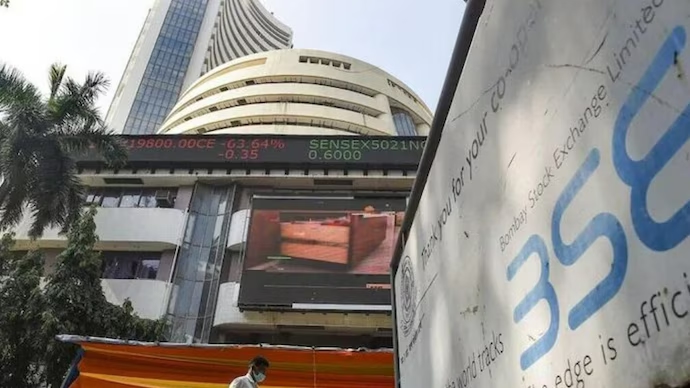


Mumbai: Indian equity markets witnessed a sharp sell-off on Thursday, with the BSE Sensex plunging 2,496.89 points, or 3.26%, to close at 74,207.24. The Nifty 50 also tumbled 775.65 points to settle at 23,002.15, reflecting a widespread risk-off sentiment across sectors.
The steep fall wiped out nearly ₹14 lakh crore in investor wealth, marking one of the sharpest declines in recent weeks amid a combination of global and domestic triggers.
Oil prices and global tensions trigger panic
The primary driver behind the market crash was a sharp spike in crude oil prices, which surged past $115 per barrel following escalating tensions in West Asia.
India, being heavily dependent on oil imports, is particularly vulnerable to rising crude prices. Higher oil costs can fuel inflation, weaken the rupee, and squeeze corporate margins, impacting a wide range of sectors.
Recent geopolitical developments, including strikes on energy infrastructure in Iran, have intensified fears of prolonged supply disruptions. Investors are increasingly concerned that sustained high crude prices could derail economic stability.
Banking stocks drag markets lower
Banking stocks emerged as a major drag on the indices, led by a sharp decline in HDFC Bank. The stock fell over 5% to around ₹800 after part-time chairman Atanu Chakraborty resigned, citing concerns over certain internal practices.
The development triggered stock-specific selling pressure and added to broader market nervousness. Other major lenders, including Axis Bank, ICICI Bank, and State Bank of India, also traded lower, amplifying the decline in benchmark indices.
Broad-based selling across sectors
The sell-off was not limited to banking stocks, indicating a broader risk aversion among investors. Infrastructure major Larsen & Toubro dropped over 3%, while financial firms Bajaj Finance and Shriram Finance saw sharp declines.
IT stocks also remained under pressure, with Infosys, Tata Consultancy Services, and Wipro trading lower due to weak global cues.
In the aviation sector, IndiGo shares fell over 3% as rising fuel costs threaten profitability. Even defensive stocks like ITC and Hindustan Unilever declined, though losses were relatively limited.
Among the few gainers, Coal India showed resilience, supported by higher energy prices.
Global cues and FII selling add pressure
Global factors also contributed to the downturn. The US Federal Reserve signalled a cautious stance on rate cuts, raising concerns about prolonged higher interest rates.
Additionally, continued selling by foreign institutional investors (FIIs) put pressure on the rupee, which hit fresh record lows. Rising input costs, fears of supply disruptions, and concerns about a potential slowdown further dampened investor sentiment.
Market experts noted that the combination of geopolitical uncertainty and macroeconomic pressures created a perfect storm, leading to a sharp correction.
What lies ahead for markets?
Market participants expect continued volatility in the near term. The trajectory of crude oil prices and developments in West Asia will remain key factors influencing sentiment.
If tensions ease and oil prices stabilise, markets could witness a rebound. However, sustained geopolitical uncertainty and elevated crude levels may keep equities under pressure.
Conclusion
Thursday’s sharp fall in the Sensex and Nifty highlights the sensitivity of Indian markets to global developments and domestic uncertainties. With multiple risk factors converging, investor sentiment has turned cautious.
While the current decline is largely driven by external triggers, the coming days will be crucial in determining whether markets stabilise or face further downside.