







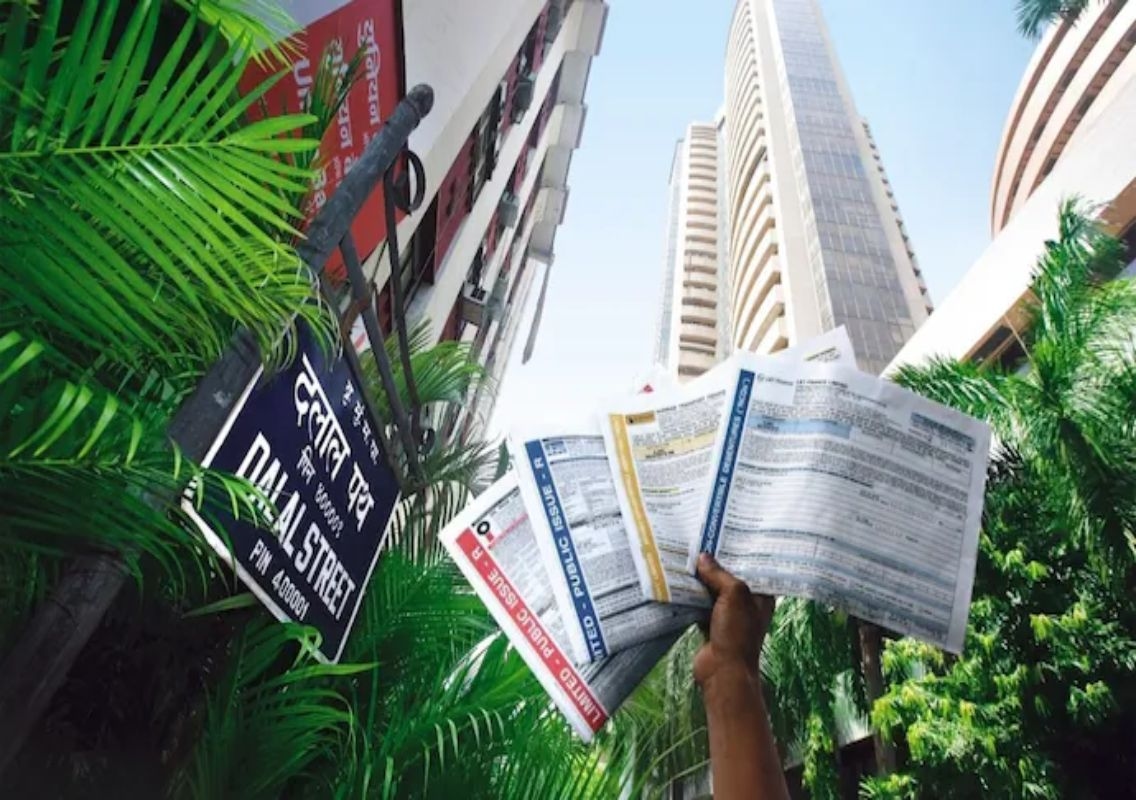


Mumbai: Benchmark equity indices opened lower on Wednesday, reflecting cautious investor sentiment amid global uncertainties and domestic macroeconomic concerns. The BSE Sensex declined 389.19 points, or 0.52 per cent, to 74,811.66 in early trade, while the NSE Nifty50 slipped 107.90 points, or 0.46 per cent, to 23,510.10 as of 9:39 am.
The weak opening comes against the backdrop of rising geopolitical tensions in West Asia and a depreciating rupee, both of which have weighed on investor confidence.
Global headwinds pressure equities
Analysts point to rising global bond yields as a key factor influencing equity markets. According to market expert VK Vijayakumar, Chief Investment Strategist at Geojit Investments Limited, elevated yields in the United States are acting as a major headwind.
He noted that the US 10-year bond yield has climbed to 4.66 per cent, while the 30-year yield has surged to 5.19 per cent, marking its highest level in over two decades. Such high “risk-free” returns tend to reduce the attractiveness of equities, particularly in segments that are considered overvalued.
Higher bond yields globally often lead to capital outflows from emerging markets like India, adding further pressure on domestic equities.
Sectoral performance and top movers
In early trade, the market showed a mixed trend among index constituents. Sun Pharmaceutical Industries Ltd emerged as one of the top gainers on the Sensex, rising 0.20 per cent. It was followed by Adani Ports and Special Economic Zone Ltd, which posted modest gains of 0.09 per cent.
On the losing side, Bharat Electronics Ltd registered the sharpest decline, falling 3.04 per cent. Tata Steel Ltd dropped 2.65 per cent, while UltraTech Cement Ltd slipped 1.22 per cent. State Bank of India also traded lower, down 1.04 per cent in the opening session.
The broad-based weakness indicates selling pressure across sectors, particularly in metal and infrastructure stocks.
Domestic macro concerns add to pressure
Apart from global factors, domestic economic indicators are also contributing to the cautious market outlook. Vijayakumar highlighted that India’s GDP growth for FY27 is expected to moderate to around 6 per cent, while inflation could rise to approximately 5.5 per cent.
These projections suggest a tighter economic environment, which may limit corporate earnings growth and dampen investor sentiment in the near term.
Despite these concerns, analysts believe that the market has already factored in some of these risks, reducing the likelihood of sharp corrections purely based on macroeconomic data.
Investment strategy in volatile markets
Experts advise investors to remain cautious but not overly pessimistic during such periods of volatility. While global and domestic headwinds persist, there are still opportunities in fundamentally strong companies.
Vijayakumar emphasised that even in weak markets, quality growth stocks can attract investor interest. However, he recommended prioritising value stocks that are currently available at reasonable valuations.
Investors are also encouraged to adopt a long-term perspective and avoid making impulsive decisions based on short-term market movements. Diversification and disciplined investing remain key strategies during uncertain times.
Conclusion
The decline in benchmark indices reflects a combination of global and domestic pressures, including rising bond yields, geopolitical tensions and economic concerns. While the near-term outlook remains uncertain, the market’s resilience and ability to absorb shocks cannot be overlooked.
For investors, the current phase underscores the importance of patience and careful stock selection. Staying focused on fundamentals and maintaining a balanced portfolio may help navigate the ongoing volatility effectively.
(Disclaimer: The views, opinions, recommendations, and suggestions expressed by experts/brokerages in this article are their own and do not reflect the views of the News Karnataka Group. It is advisable to consult a qualified broker or financial advisor before making any actual investment or trading choices.)