







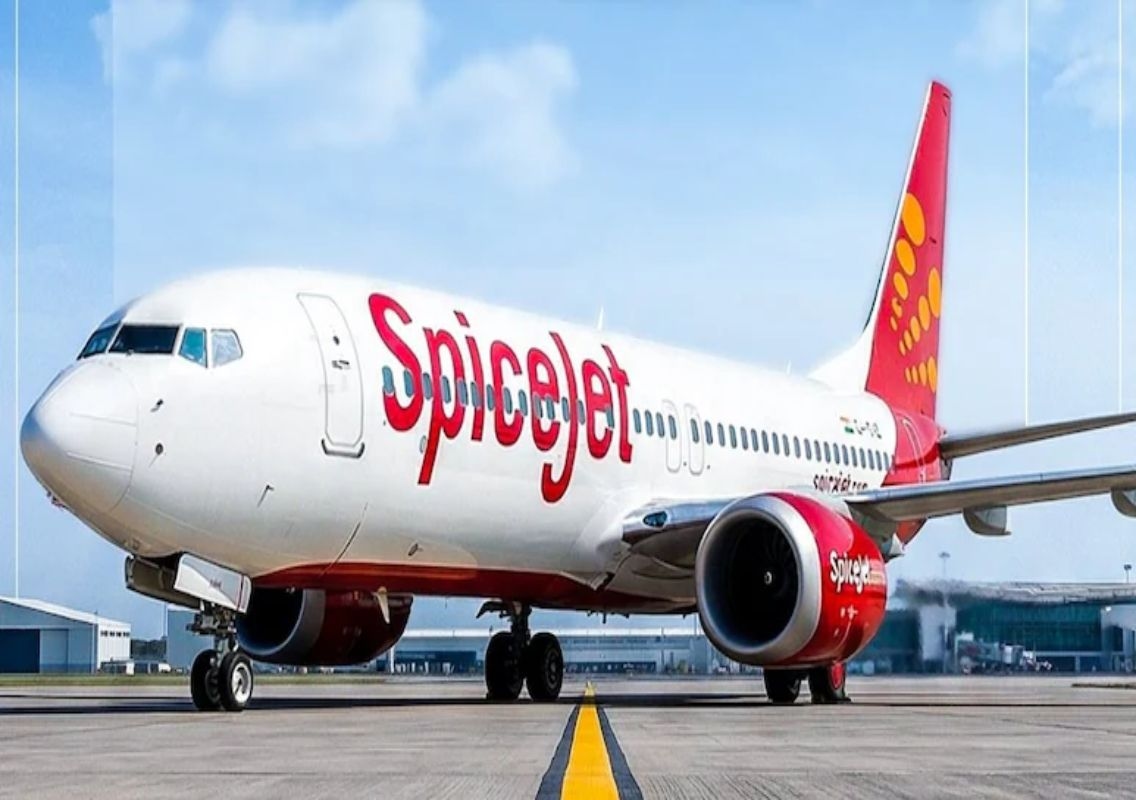


New Delhi: SpiceJet has finalised lease agreements for 20 aircraft as the airline prepares to expand its operations ahead of the upcoming winter schedule and the festive travel season. The move is expected to strengthen the carrier’s available fleet and support its plans to increase flight operations during a period when passenger demand generally rises.
According to the airline, the aircraft additions will comprise 15 Boeing aircraft and five Airbus aircraft under damp and wet lease arrangements. The five Airbus aircraft are expected to arrive between mid-October and mid-November, with the planned fleet expansion also including an Airbus A321.
The announcement came on Thursday, September 3, as SpiceJet stepped up preparations for the winter travel period. The airline is targeting around 200 daily flights during the upcoming holiday season and winter schedule.
SpiceJet plans 200 daily flights
The induction of the additional aircraft is expected to provide SpiceJet with greater operational capacity as it seeks to increase the number of flights during the peak travel period.
Winter typically brings higher air travel demand because of festivals, holidays and increased leisure and business travel. For airlines, having sufficient aircraft available is therefore crucial to operating planned schedules and capturing additional passenger demand.
SpiceJet’s plan to reach around 200 daily flights represents a significant push to expand capacity at a time when the airline is looking to strengthen its operational footprint.
The new lease arrangements are also important because the aircraft are being brought into the fleet without requiring SpiceJet to acquire all of them outright. Damp and wet leasing can allow an airline to add capacity relatively quickly, depending on the terms and operational requirements of the agreements.
Five Airbus aircraft expected by November
Of the 20 aircraft covered by the lease agreements, five will be Airbus aircraft. SpiceJet expects these aircraft to arrive between the middle of October and the middle of November.
The fleet addition will include an Airbus A321, a larger narrow-body aircraft capable of carrying more passengers than smaller aircraft in the same category.
The A321 could give SpiceJet additional flexibility on routes where passenger demand supports the use of a larger aircraft. Its induction could also broaden the airline’s fleet mix as it works towards higher capacity during the winter schedule.
The remaining 15 aircraft are Boeing aircraft, forming the larger part of the planned 20-aircraft addition.
Winter schedule becomes key test for airline
The timing of the fleet expansion is significant for SpiceJet. The airline is preparing to enter the peak winter travel period with a stated target of approximately 200 daily flights.
Aircraft availability will be an important factor in determining whether the carrier can operate its planned schedule consistently. The addition of leased aircraft is intended to provide the capacity required to increase operations during the holiday and festive period.
The airline’s ability to successfully deploy these aircraft will depend on factors including their arrival schedule, regulatory requirements, operational readiness and crew availability.
For passengers, increased capacity could potentially provide more flight options during the busy travel season. It could also help airlines respond to higher demand on routes experiencing increased bookings.
SpiceJet shares rise nearly 5%
The announcement also had a positive impact on SpiceJet’s shares during Thursday’s trading session. The airline’s stock rose as much as 4.82%, reflecting the market’s reaction to the planned fleet expansion.
Investors often closely watch fleet additions at airlines because aircraft availability directly influences an operator’s ability to offer more seats and flights. However, a larger fleet also comes with additional operating costs, including lease expenses, fuel, maintenance, crew and airport-related costs.
Therefore, the success of SpiceJet’s expansion will ultimately depend not only on the number of aircraft inducted but also on how efficiently the airline deploys them and whether the additional capacity translates into sustainable revenue growth.
A strategic move before festive travel
SpiceJet’s latest lease agreements come at an important point in the aviation calendar. The festive and winter travel period can provide airlines with an opportunity to increase passenger traffic and improve aircraft utilisation.
By finalising agreements for 20 aircraft ahead of the season, SpiceJet is positioning itself to increase capacity when demand is expected to strengthen.
The planned arrival of five Airbus aircraft from October to November will be particularly relevant as the airline moves deeper into the winter schedule. The addition of the A321 could further help SpiceJet deploy capacity on routes where larger narrow-body aircraft make commercial sense.
Fleet availability remains crucial
While the announcement is positive for SpiceJet’s capacity plans, the airline will need to ensure that the aircraft become operational as scheduled. Delays in induction, regulatory approvals or operational preparation could affect the carrier’s ability to achieve its 200-flight daily target.
The winter schedule will therefore serve as an important test of SpiceJet’s ability to translate its fleet expansion plans into actual operational growth.
The airline’s latest move signals an effort to rebuild and expand capacity ahead of a potentially stronger travel period. With 20 aircraft secured through lease arrangements, SpiceJet now has additional resources to pursue its target of increasing daily flights and serving higher passenger demand.
For investors, the near-5% rise in the stock shows that the market initially responded positively to the announcement. However, sustained improvement in the airline’s financial and operational performance will depend on how effectively the newly leased aircraft are deployed and whether the additional capacity contributes to stronger earnings.