







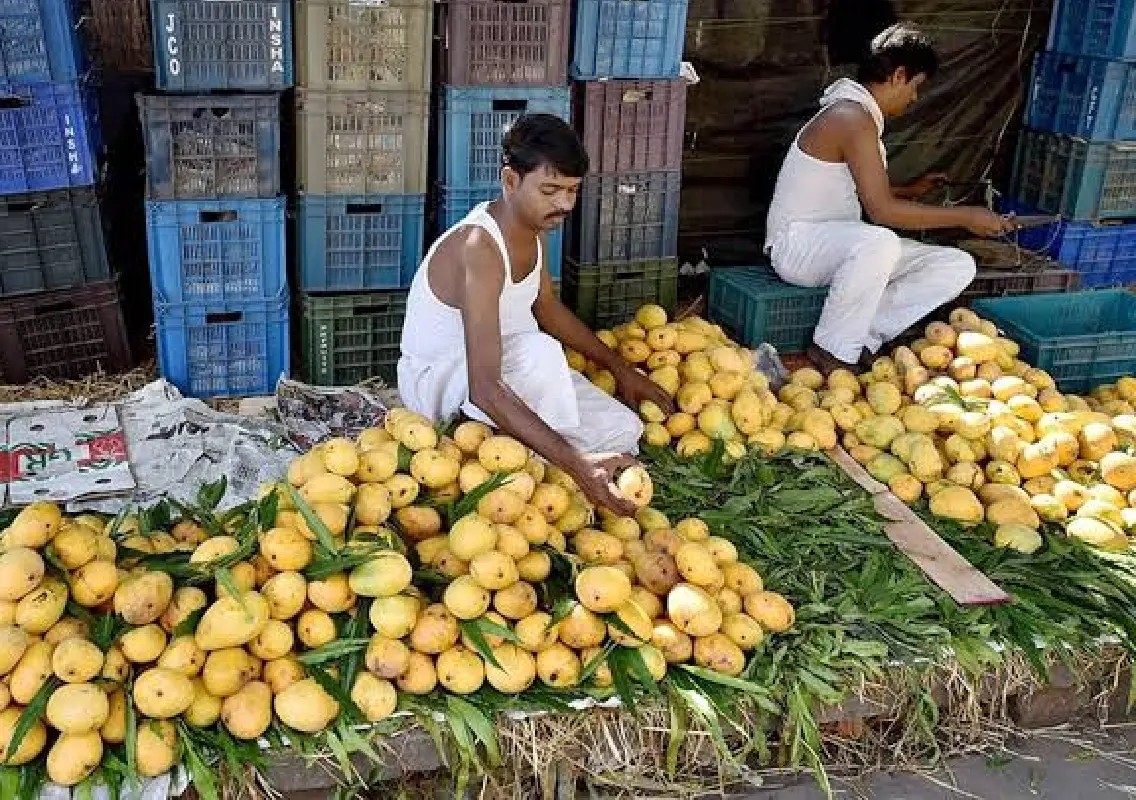


New Delhi: Indian agricultural exports are facing increased scrutiny in several international markets, raising concerns among farmers and exporters about quality controls, certification and the infrastructure supporting overseas shipments. Recent developments involving mangoes, rice and spices have highlighted the challenges India faces in meeting differing global food and plant-safety standards.
Mango exports face Japan setback
Japan suspended Indian mango imports after quarantine inspectors raised concerns about procedures at a vapour heat treatment facility in Uttar Pradesh. The facility is used to treat fruit against pests before export.
The suspension affected mangoes carrying inspection certificates issued from March 25 and covered six varieties, including Alphonso, Kesar, Langra, Banganapalli, Chausa and Mallika. Japan had previously resumed Indian mango imports in 2006 after India strengthened pest surveillance and treatment infrastructure.
The development has worried exporters because Japan is considered a premium market where approval can strengthen the reputation of Indian produce internationally.
China raises concerns over rice
Indian rice exporters have also faced difficulties in China. According to the report, Chinese authorities rejected consignments from three Indian exporters after detecting traces of genetically modified material, while the exporters disputed the findings and said their shipments had received GMO-free certification.
The issue comes as India seeks to expand agricultural exports and diversify its overseas markets.
Quality standards become crucial
India’s export agencies have been working to improve market access through treatment facilities, testing, traceability and engagement with overseas regulators. The Commerce Ministry has also recorded efforts to strengthen controls for products exported to markets such as the European Union.
For farmers, however, export rejection can mean more than a regulatory setback. It can lead to cancelled orders, higher storage costs and produce losing value before it reaches consumers.
The developments underline the need for consistent quality control, reliable certification and stronger export infrastructure if Indian farm products are to compete confidently in demanding global markets.