







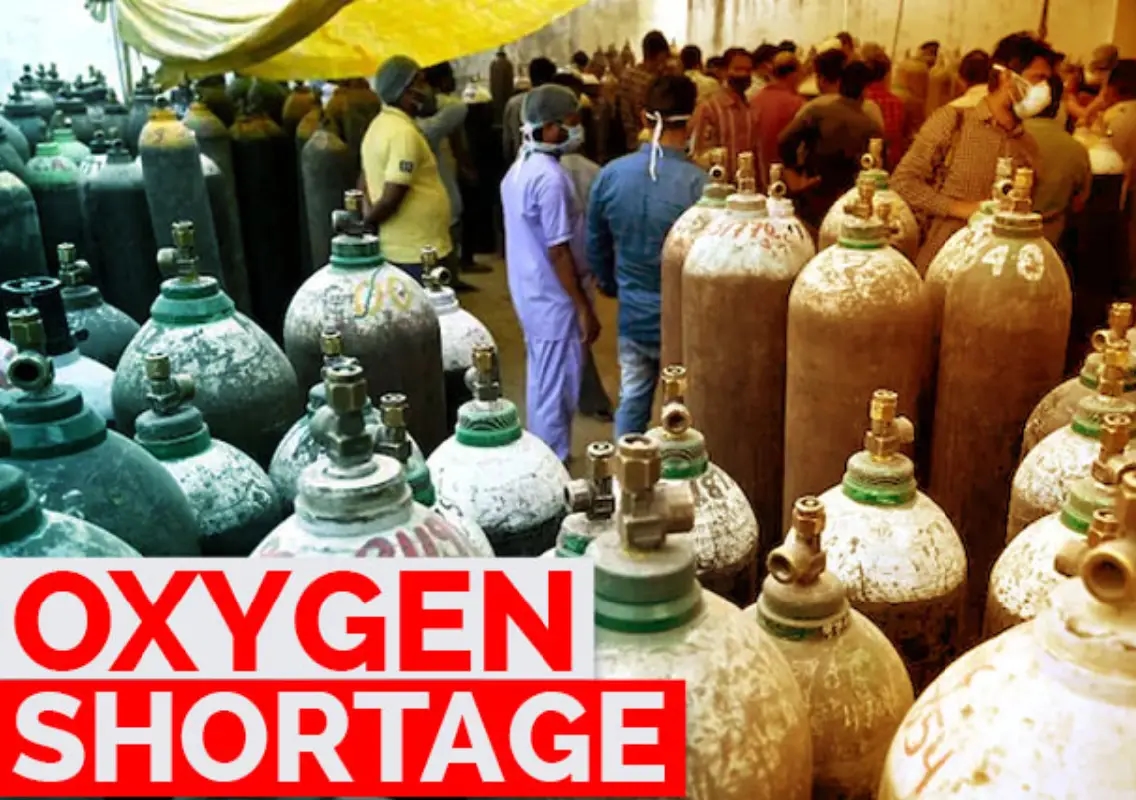


The Justice John Michael Cunha Commission, constituted to investigate the deaths caused by an oxygen shortage at the Chamarajanagar district hospital in 2021, submitted its detailed report to Chief Minister Siddaramaiah on Monday. The formal submission took place in the presence of the Chief Minister’s legal advisor A S Ponnanna and Political Secretary Naseer Ahmed.
Background of the tragedy
During the devastating second wave of Covid-19, 24 patients lost their lives at the Chamarajanagar district hospital due to a sudden disruption in oxygen supply. The incident, which occurred in May 2021, led to widespread grief, public outrage and demands for accountability.
At the time, Karnataka was governed by the B S Yediyurappa-led BJP administration. Dr K Sudhakar served as the Health Minister, while S Suresh Kumar was the district in-charge minister for Chamarajanagar. The tragedy became one of the most distressing episodes of the pandemic in the state.
Mandate of the Cunha Commission
The commission was formed following a government notification issued on August 25, 2023. Its mandate was to inquire into alleged lapses by the Health Department, Medical Education Department and other related government bodies during the pandemic. The scope of assessment covered the procurement and distribution of medical supplies, including oxygen, medicines and equipment, between March 2020 and December 2022.
The commission’s findings are expected to shed light on systemic gaps, administrative decisions and procedural shortcomings that may have contributed to the fatal oxygen crisis.
Submission of the report
Chief Minister Siddaramaiah received the report at his office, marking an important milestone in the long-delayed inquiry process. The presence of senior advisors underscores the seriousness with which the government intends to examine the findings and recommend further action.
Although the contents of the report have not yet been disclosed, officials indicated that it includes assessments of preparedness, response mechanisms and coordination among departments during the pandemic.
Next steps and government response
The state government is expected to review the commission’s recommendations before determining subsequent actions, which may include departmental corrections, accountability measures or structural reforms. Officials have stated that the report will be examined thoroughly to ensure such lapses do not recur.
The tragedy continues to serve as a reminder of the critical need for robust healthcare infrastructure, especially during public health emergencies. Families affected by the incident have long awaited closure, hoping the inquiry will lead to clarity and justice.
Broader context of pandemic preparedness
The inquiry aligns with wider efforts across the country to reassess health system resilience following the Covid-19 crisis. Karnataka’s evaluation of administrative performance and supply-chain management during the pandemic is expected to help strengthen future emergency responses.
Healthcare experts believe that the commission’s recommendations could play an important role in guiding reforms related to hospital infrastructure, oxygen supply chains and interdepartmental coordination.
As Karnataka prepares to respond formally to the findings, the report is anticipated to influence policy decisions in the months ahead.