







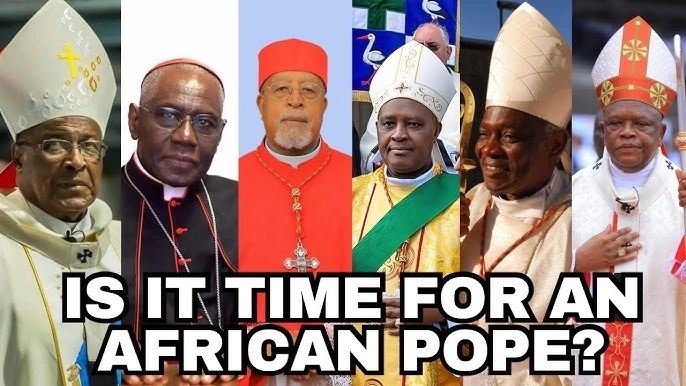


If the future Pope were chosen solely based on where Catholicism is expanding most rapidly, Africa would be the obvious answer. The continent is home to the fastest-growing Catholic population, accounting for more than half of the Church’s global increase.
Despite three early pontiffs having hailed from Africa, the last—Pope Gelasius I—died over 1,500 years ago. Many believe it’s long overdue for another African to lead the Church.
Yet, as Nigerian priest and professor Fr. Stan Chu Ilo points out, African clergy rarely hold key positions at the Vatican. “The leadership should reflect the global Church,” he says, but adds that a lack of high-profile African candidates remains a hurdle.
He contrasts today’s scene with 2013 and 2005, when Cardinals Turkson and Arinze were seen as viable papal candidates. Despite Pope Francis increasing the share of African cardinals, none wield substantial influence.
Fr. Paulinus Odozor of Notre Dame University believes tokenism should be avoided. “Origin shouldn’t determine fitness for papacy,” he asserts, emphasizing theological depth and a universal vision over nationality.
Francis’ papacy was deeply appreciated in Africa—especially his compassion for the poor and efforts at peacebuilding. His opposition to resource exploitation and reconciliatory gestures in conflict zones like the Central African Republic earned widespread respect.
However, his more inclusive stance toward LGBT couples faced firm pushback from African bishops, revealing cultural and doctrinal divides.
Both priests agree: while Francis opened doors, true representation and racial equity within the Church’s hierarchy remain unfinished work.
- 5 lakh child deaths feared if US reduces support to Africa, warns study
- Latest and Best Betting Promo Codes South Africa 2025
#AfricaAndThePapacy #ChurchOfThePoor #GlobalCatholicVoices #FaithAndRepresentation