





Mangaluru: Since the formation of the Earth more than four and half million years ago and since the emergence of organisms more than three and half million years ago, there have been several non-human entities that got established which jointly brought together what one sees as the earth.
Among these, sixty thousand to one lakh species of trees cover around twenty nine percent of earth’s landed area, as water covers the remaining seventy one percent of the Earth’s surface.
Around thirty percent of the landed area on earth is covered by forests and the rest is used for agriculture; except areas that consists of barren land and deserts and iced regions.
While trees in forests are protected by various organisations and governments, the tree wealth in the agricultural areas gets cut down for different purposes, some of which are for genuine needs for agricultural operations.
In 2025, there were anomalies in the execution of protection of tree wealth in the Amazon forest area, one of the biggest in the world indeed. The interesting part of the controversy that came out is about the 30th UN Climate Change Conference, which took place in Belém, Brazil, in November 2025.
The organisers are supposed to have cut several thousands of trees to build a road to reach the venue in the middle of the Amazon forest and it was condemned by most of the environmentalists who work for forest protection.
Trees do not generally grow in barren areas or deserts. All the same, a tree, a Prosopis, named ‘The Tree of Life’ in Bahrain attracts more than sixty thousand people every year. It is a little less than ten meters tall and is considered 400 years old and is situated in the Arabian Desert, doubtlessly surprising that a tree should be growing in the middle of the desert; botanists made a study, and presumed that the roots of the tree might have gone down fifty meters and found some water, though they wondered how it managed to grow fifty meter long roots.
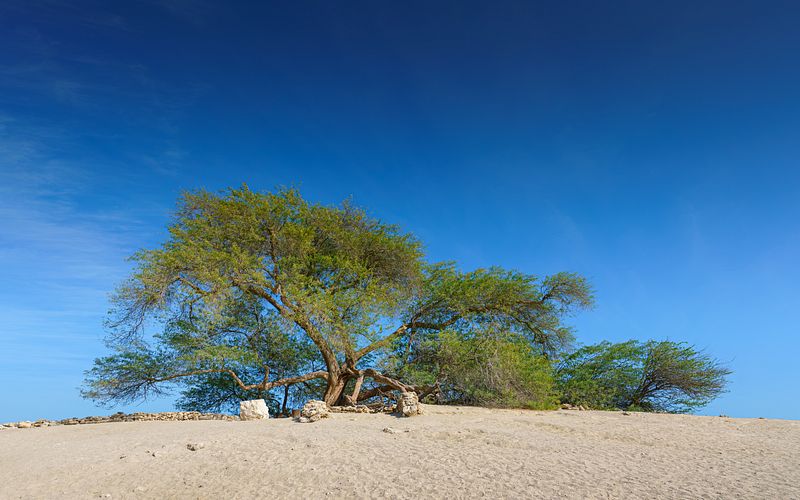
Dendrochronology, the scientific method of dating and studying tree rings, done in 1990, concluded that the tree must have been planted in 1582. The tree was recommended for inclusion in the seven natural wonders of the world; however, it did not find a place. The production of some sort of meal, jam, and wine are still the products of the tree which get marketed as dearly valued items.
The Bodhi tree, which was supposed to have been at Bodh Gaya in Bihar, is the one under which Siddharth Gauthama; Gautham Buddha later; in the fifth century BCE, got enlightened and became the person who promoted Buddhism.
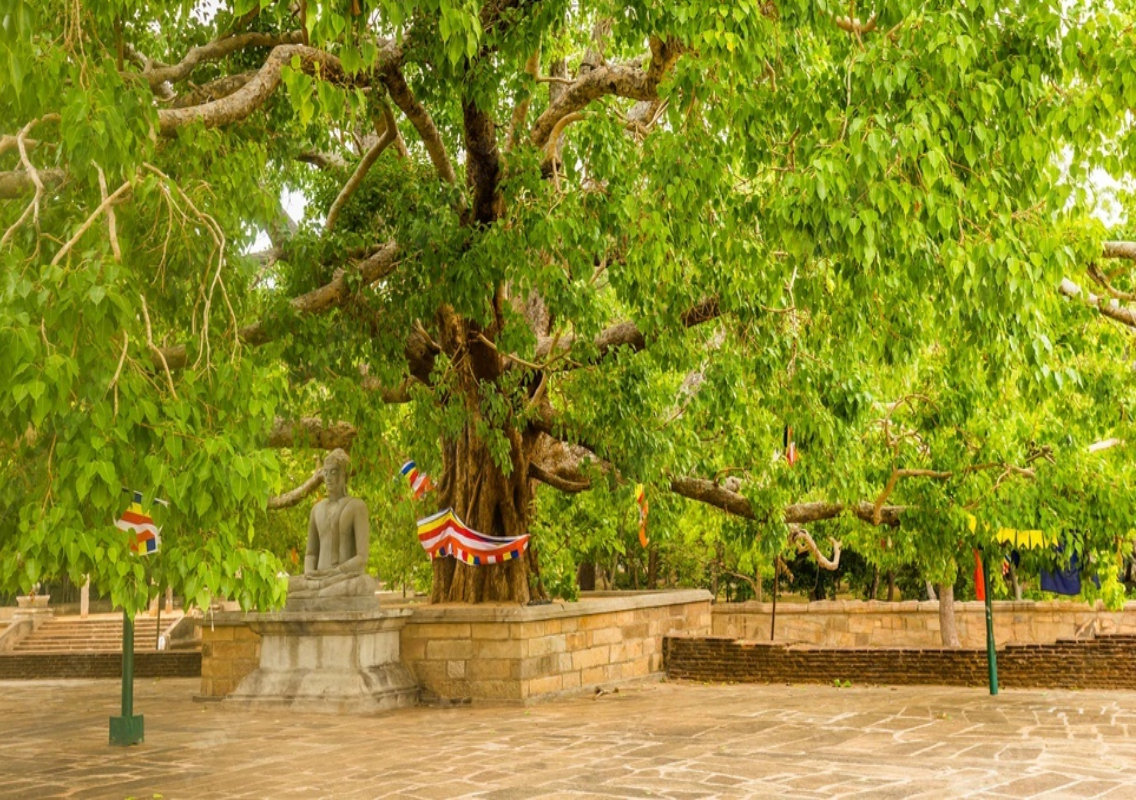
Though the original tree no longer survives, because it was destroyed and renewed through repeated planting, the tree commands great respect. However, the Bodhi tree in Anuradhapura in Sri Lanka which is supposed to have been planted in the third century BCE still survives.
The Buddhist nun Sanghamitta, Emperor Ashoka’s daughter, is believed to have taken a branch of the original Bodhi tree in Bihar and planted it in the Mahamevnāwa in Anuradhapura.
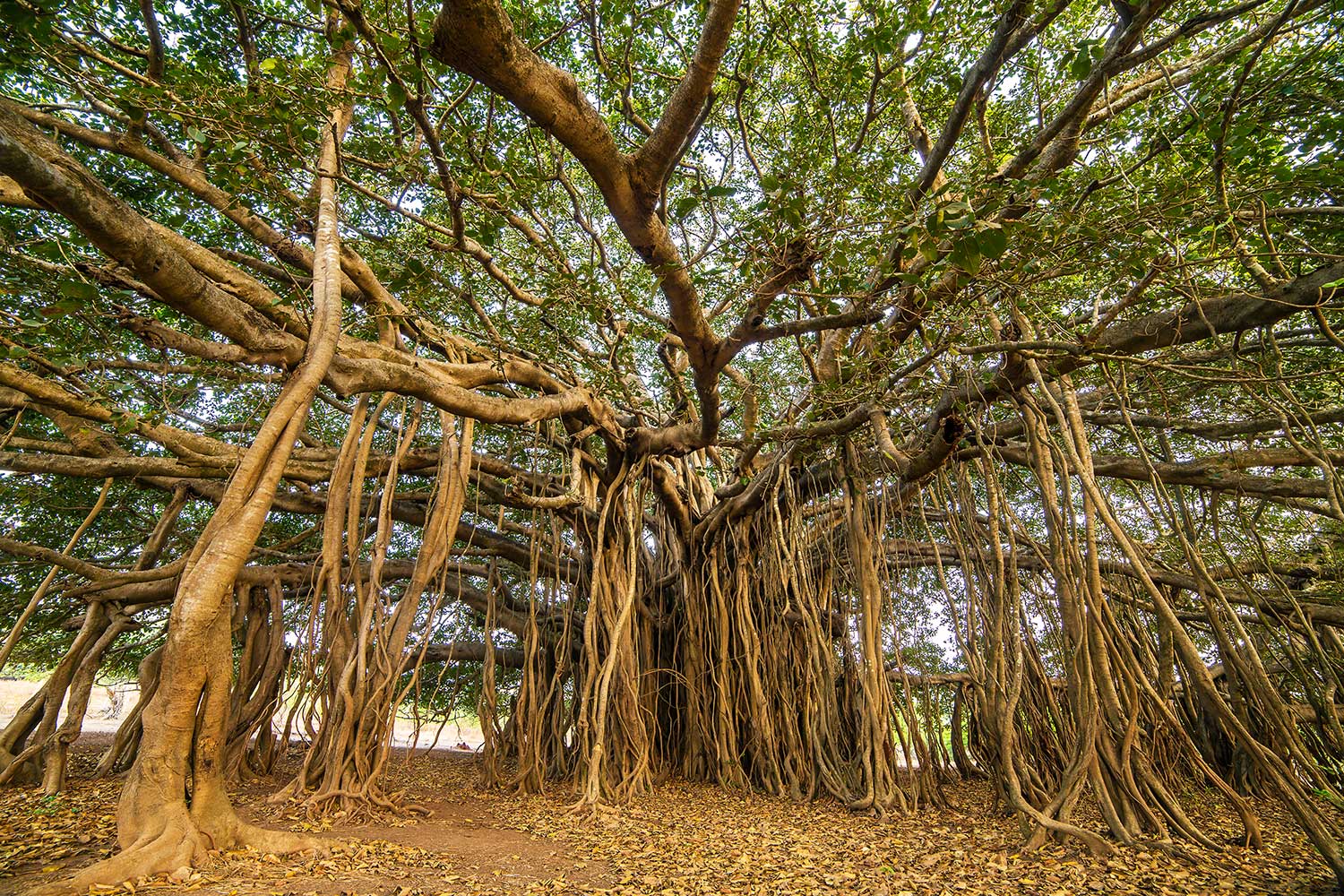
The great Banyan tree in Acharya Jagadish Chandra Bose Indian Botanical Garden, Shibpur, Howrah in West Bengal, is considered 250 years old and has a sprawling canopy covering more than three and a half acres, making it look like a dense forest rather than a single tree.
The story of the Yamaki pine, four hundred years old, the Japanese White Pine Bonsai that survived the 1945 atomic bombing of Hiroshima is interesting. It was donated to the United States in 1976 by the Yamaki family who are supposed to have kept it for six generations.
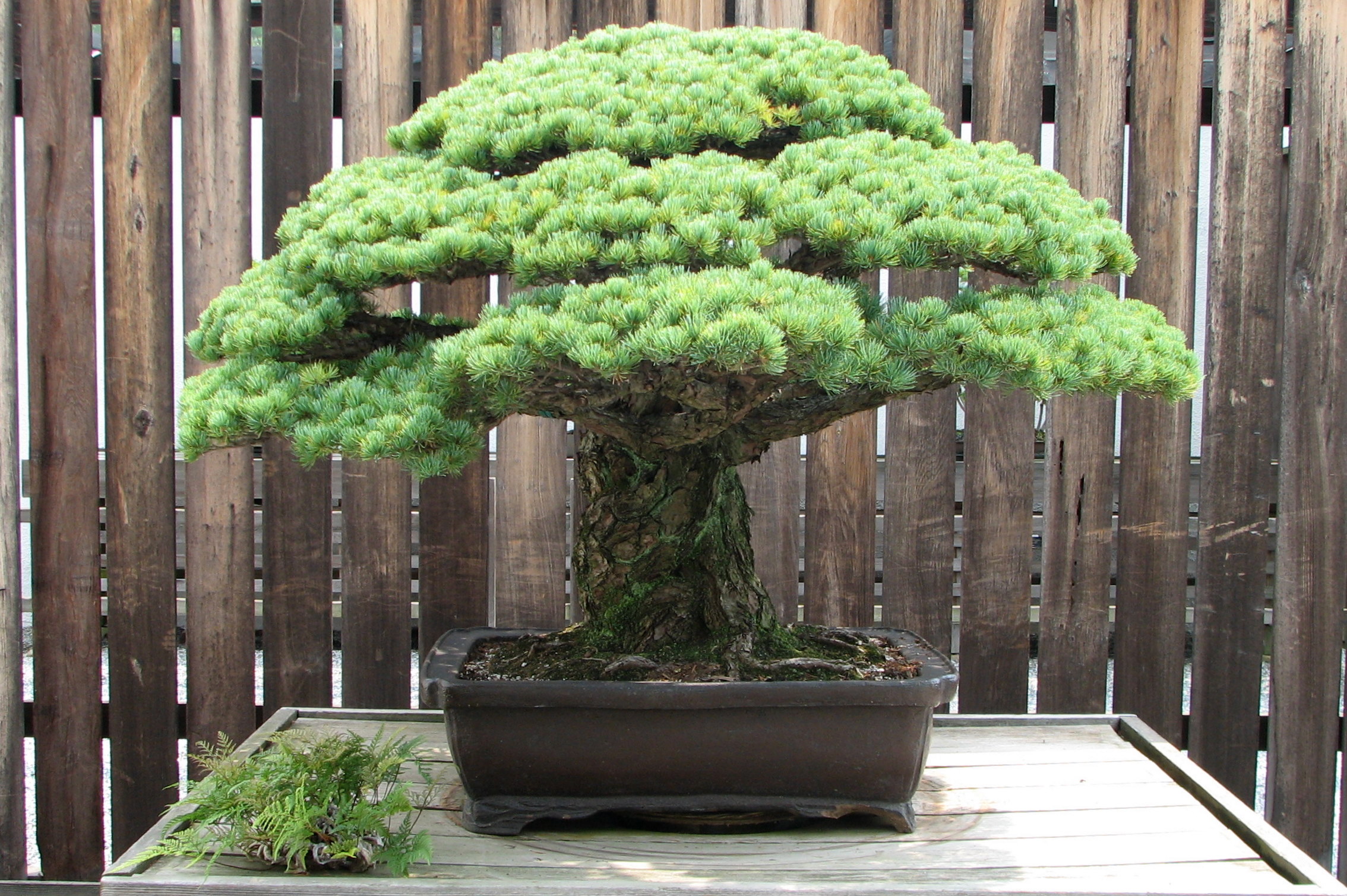
The atomic blast on 06 August 1945 through the infamous bomb ‘Little Boy’ was dropped in Hiroshima exploding destroying everything within about two kilometers. The Yamaki family’s nursery was within this area.
However, the Bonsai tree survived because it was protected by a wall in the courtyard and some shattered glass pieces covered it accidentally and it survived. It was donated to the United States as a symbol of the type of new relationships between the US and Japan.
One of the finest of trees that I had seen in my travels associated with learning and development interventions was in the year 2001 at Madras Christian College, Thambaram in Chennai. The three days that I spent working with the professors gave me enough time in the evenings to take plenty of photographs of this Banyan tree in all its splendor with hundreds of roots reaching the ground and making it almost a fortress.
I have used these pictures for several purposes including the design of a cover page of a story of a family spread into sixty five units over five generations. A similar tree, though much younger and from a different family, was also noticed in front of the hostels of the Siddaganga Institute of Technology, Tumkur which I have been visiting for the last three decades.
One year, I saw some of its branches cut down as they were almost touching the hostel compound wall. On enquiry, the then principal, late Dr. M.N. Channabasappa mentioned to me that he literally wept after seeing the branches cut which was a thoughtless job done by an executive officer. Thoughtless people, without any specific vengeance, destroy trees for other obvious reasons.
Methuselah in California is supposed to be near five thousand years old; Sarv e Abarkuh, a famous tree in Iran and the Angel Oak, 400 to 500 years old in John’s Island in USA; are all famous trees which proclaim to the world the importance of the trees’ green resplendence.
Simultaneously, these trees appeal to the world to keep the tree wealth of the world as it is now, if not more through human efforts. The declaration of the luxury and the grandeur of the tree wealth that presents to the human race is that, that the latter cannot survive without the former.
Prof. Sunney Tharappan, is Director of College for Leadership and HRD, Mangaluru.
He trains and writes and lives in Mangaluru.
Email: [email protected]