









Literature is not merely the expression of a form of art; it also is a vehicle that conveys the culture and ways of living of people. Most often, they vary from time to time significantly when the country makes notable changes in all spheres including in the systems of living. Some countries are very old and they are proud of their ancient civilisations, and consequently their literary expressions could also be very old and existing generations of modern times may not understand their values or even find in them any relevance for the people living in the contemporary times. However, existing literature, even when they are not of the recent past, have powerful impacts on the societies that would have come up in different countries.
Some of the established countries have such literature of different periods and associated culture or lifestyle from several centuries, and in some cases, they have moved from one century to another. The mythological writings and the preserved literature of Mesopotamia, Egypt, India, Greece, Rome, China and Scandinavia are representations of such culture. The literary treasures by Enheduanna, Homer, Virgil, Vyasa, Valmiki or Confucius in the olden past, and William Shakespeare or many others like him in the seventeenth and eighteenth centuries offer plenty of examples of art reflecting the cultural lifestyles of people. There are many names that can be mentioned from the subsequent years including those from the twenty-first century.
A noteworthy feature in researching literature that came up from smaller countries in the recent past, especially in South America, exposes the literary qualities of a few writers and the qualities of belief systems of ordinary people and their ways of living. One such small country from South America produced two Nobel Laureates in literature in the twentieth century, a lady in the first half and a man in the second half. They hail from a small but unique country known for its coastline of over six and half thousand kilometers of seashore and has a width of an average hundred and thirty kilometers from the Andes mountainous region to the Pacific Ocean. This country has the longest north to south coastlines in the world. One will understand the uniqueness of this long country when one compares it with our own western coastline on the Arabian Sea from Kanyakumari in Tamil Nadu to Sir Creek in the Great Rann of Kutch in Gujarat through Kerala, Karnataka, Maharashtra and Gujarat which is only two thousand eight hundred kilometers.
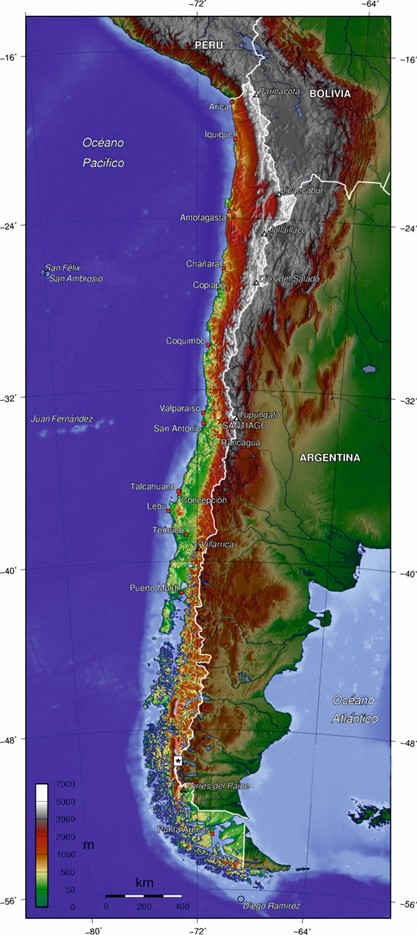
Chile, the South American coastline country also suffered from colonisation. It was the Spanish who did it. Though it has a long history of resisting the Spanish from the time soldiers came from Peru in 1814, the harsh Spanish rule resulted in many Chileans fleeing to nearby Argentina where they started fighting, indeed rather weakly, against the Spanish. Though Spanish rule was overthrown by the beginning of twentieth century, there were several struggles of civil wars, mainly because the indigenous tribal people who took control of the country in different parts of Chile were not able to build a united country. It was only in the second half of the twentieth century that a democratic government was established. However, their President, Salvador Allende; though he was an equal leader like Che Guevara, Fidel Castro or Ho Chi Minh; was out of power soon. Thereafter, the country was under military rule till recently.
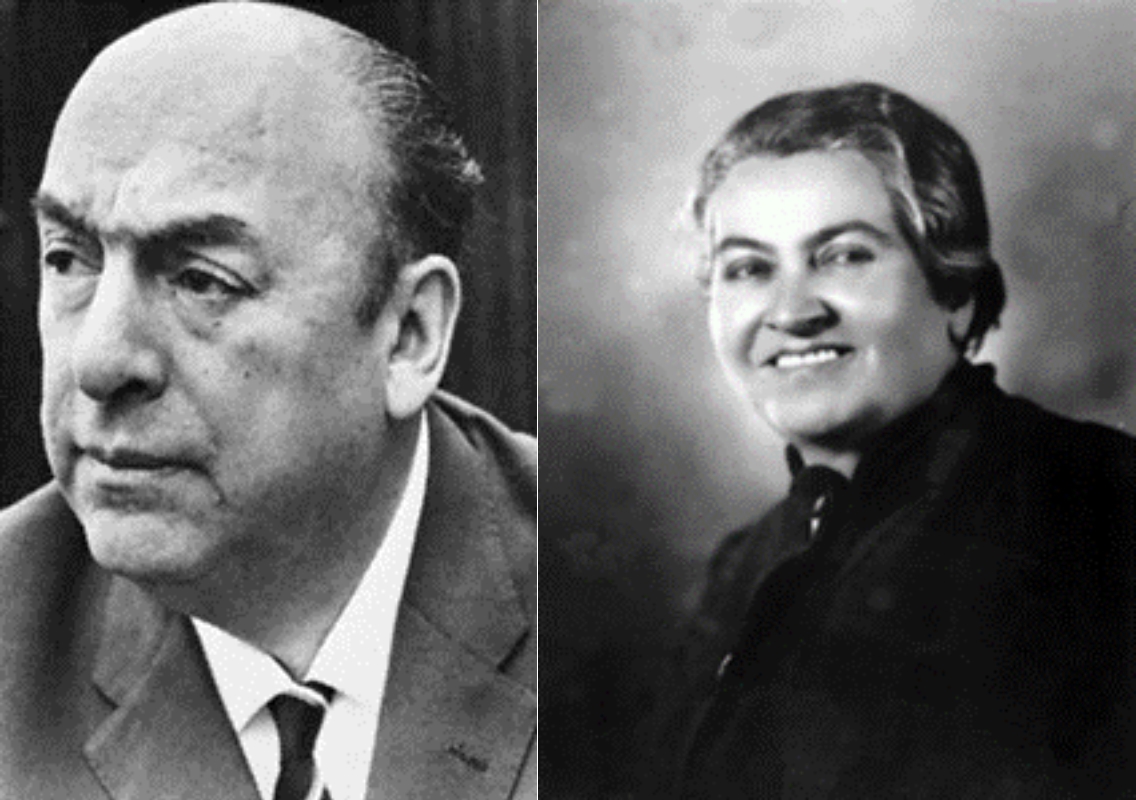
During the twentieth century, the unique Chile which was adjacent to Argentina, produced two great literary writers; Gabriela Mistral, in the first half and Pablo Neruda in the second, the latter is better known. Both received Nobel Prize for literature. It is still debatable who is more important. However, it is not debated that both had their own share of influence on the people of Chile.
Gabriela Mistral started her career as a school teacher who very skillfully mixed religious themes with emotions of love and devotedness. She still remains the most respected representative of Latin American literature of the twentieth century. Strangely enough, the military dictator who took over forcefully from Salvador Allende even depicted her as a symbol of submission to authority and social order which was not considered true.
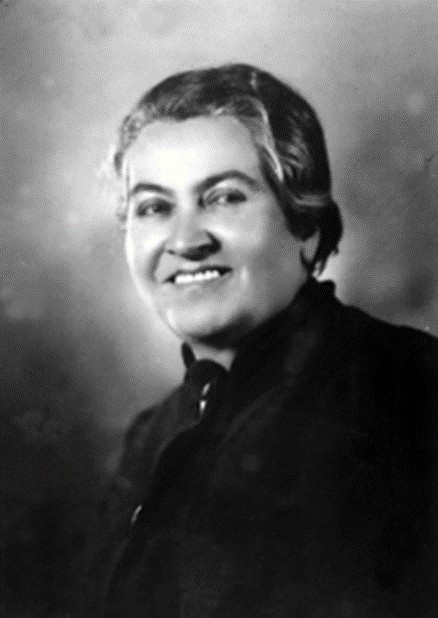
Mistral greatly influenced Latin American poetry. The Nobel Prize citation provided insights into the perspective and emotions of Gabriela Mistral and their impact on the common people. Her words not only spread across South America but also to the world outside. Her poem titled ‘Desolation’ impacted many people. They influenced the culture and lifestyle of the people of Chile who considered her a great leader who quietly influenced them.
Pablo Neruda, the other Chilean Nobel Laureate for literature, was exactly the opposite of the lady because he was a poet with social connections. In 1921, at the age of sixteen, when he started studying French along with Spanish; he started writing poetry though his father opposed it. By the time he published his ‘Book of Twilights’ and ‘Twenty Love Poems and a Desperate Song’, he was already an influence on the common people and by the time he was in his twenties, he was an internationally known poet.
Considered a person with definite ideology and associated decision making, he was in New Delhi in British India and subsequently in Colombo and Java and Singapore. However, his absence did not reduce his power as an influencer in his country, Chile. His personal life of three marriages and not easily acceptable contents of his poems did not reduce his influence on the people of Chile.
Two Nobel Laureates and their influence on a small country like Chile has been written about in plenty, particularly referring to the impact of poetry which is generally not a common man’s subject of reading. The influence of both, especially the latter which is more known to the outside world, is an example of the impact of literature on the common humans, especially from the point of view of influencing them in their personal qualities of relating and influencing each other.
Prof. Sunney Tharappan, is Director of College for Leadership and HRD, Mangaluru. He trains and writes and lives in Mangaluru. Email: [email protected]