







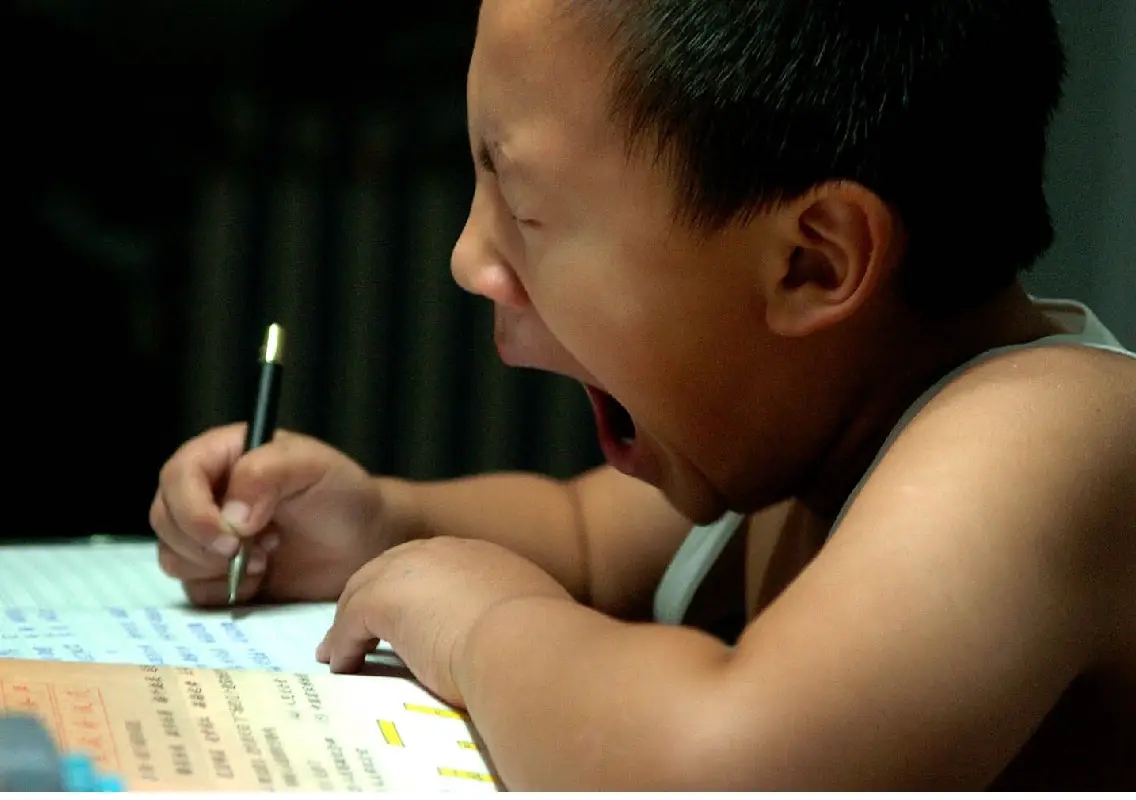


China has unveiled sweeping education reforms aimed at reducing academic pressure on students by limiting excessive homework and frequent examinations.
Major shift in education approach
The guidelines issued by the Ministry of Education of China prohibit schools from assigning excessive homework or cutting into students’ break time. The reforms are part of a broader effort to prioritise student well-being over rigid academic performance.
Authorities have expressed concern over rising stress levels, sleep deprivation, and anxiety among students, prompting a shift away from an exam-centric system.
Focus on health and balanced development
Schools are now required to ensure students get adequate physical activity each day. The reforms also emphasise protecting leisure time and encouraging a healthier balance between study and rest.
Additionally, the ministry has discouraged introducing primary school-level curricula in kindergartens, aiming to reduce early academic pressure on young children.
Extended holidays and cultural change
The initiative includes extending school holidays, signalling a long-term cultural shift in how education is approached. Officials believe that allowing more downtime can support both mental health and overall development.
Broader implications
The reforms reflect a growing recognition that excessive academic pressure can have lasting effects on young people’s health and productivity.
Observers note that China’s move could influence global education trends, especially as countries reconsider the balance between academic achievement and student well-being.