







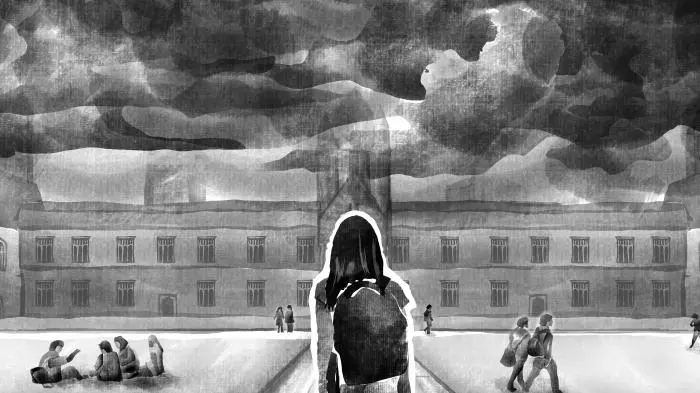


The smell of wet soil still triggers panic for 19-year-old Baobao. It takes her back to the months she spent at a so-called “discipline school” in rural China—months filled with beatings, terror and isolation. Sent at age 14 by her mother to the Lizheng Quality Education School, she says she was trapped behind locked gates and subjected to constant violence meant to “fix” her behaviour.
Students who failed to comply, she says, were beaten so badly they could not sit or lie down. Some attempted suicide. Baobao herself contemplated it. She describes her time there as “every moment agonising.”
Her testimony is one of 23 accounts gathered in a BBC investigation, revealing a system of private disciplinary institutions where abuse flourishes despite corporal punishment being illegal in China.
Network linked to military veteran Li Zheng
The allegations span at least five schools in a network linked to military veteran Li Zheng, who has run or been associated with 10 institutions across multiple provinces. Former students describe beatings, forced exercise punishments, sexual assault and humiliating strip searches.
Undercover footage shows staff openly explaining how they abduct teenagers by impersonating police or state authorities—often with parental consent. Thirteen former students say they were forcibly taken in this manner.
One survivor, Enxu, a transgender woman now aged 20, says she was beaten, raped and repeatedly humiliated after being seized by fake police officers at her parents’ request. Her ordeal ended only after her friends raised public pressure online.
A booming and poorly regulated industry
These “military-style” schools market themselves as solutions for internet addiction, disobedience, depression, relationship issues or gender identity. Parents—from urban middle-class families especially—often act out of desperation, researchers say.
Regulation is weak, fragmented across departments and often avoided through loopholes. Some schools simply rebrand after scandals, continuing operations under new names.
Chinese authorities say all educational institutions must follow the law, but enforcement remains inconsistent.
Survivors call for closure
Baobao never returned to school after her ordeal and feels her future was derailed. “These schools are scams,” she says. “Violence can’t teach children. They shouldn’t exist.”
Enxu and her friends continue gathering evidence to help free students still inside. They hope their stories finally push the system toward reform