









For young children, the number 10 can be difficult to understand when it exists only as a symbol on a page. In classrooms across Indonesia, educators are finding that mathematics becomes easier when children can see, touch and move the numbers themselves.
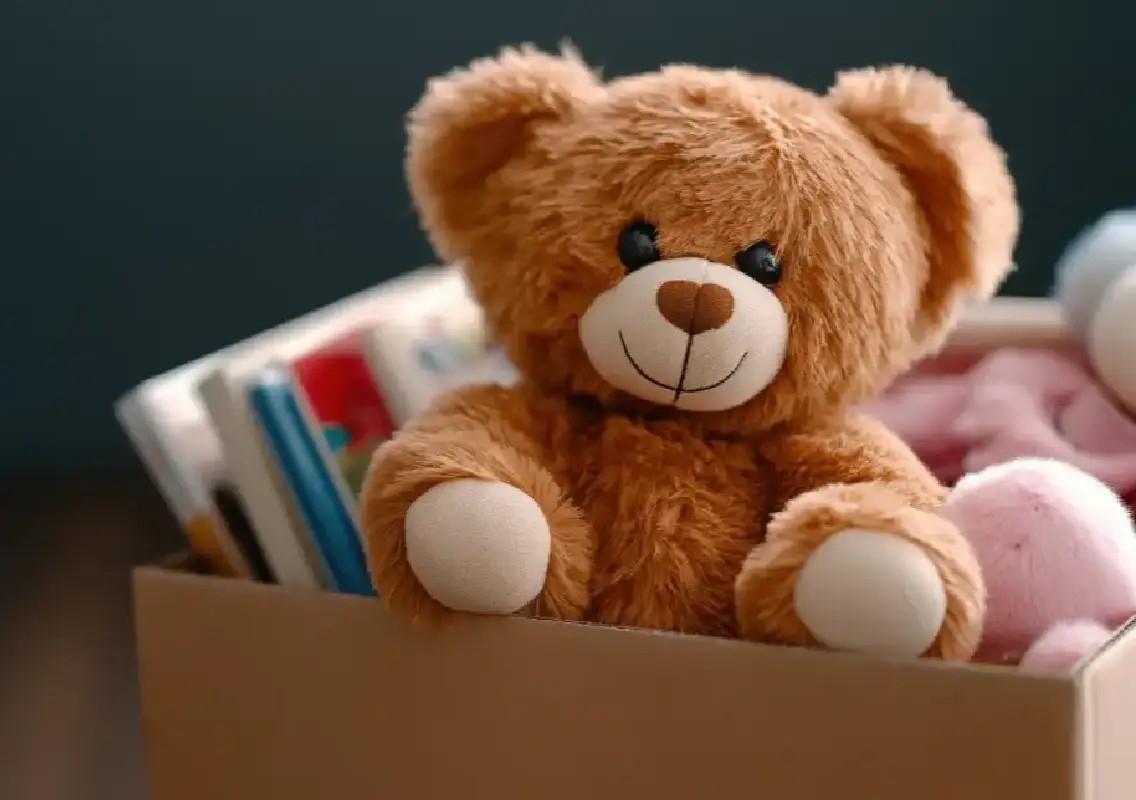
One such approach uses simple objects such as toy bears to turn abstract mathematical ideas into something children can experience.
Turning numbers into something children can see
Instead of asking a child to understand what “10” represents, teachers can place 10 small objects in front of them. The child can count each one, group them and physically observe how quantities change.
This hands-on approach helps children connect mathematical symbols with real quantities. Concepts such as addition, subtraction, grouping and comparison can be introduced through objects before children are expected to work with formulas and numbers alone.
For young learners, this connection can make mathematics feel less intimidating and more familiar.
From objects to mathematical formulas
The method reflects a broader educational principle: children often understand abstract concepts more easily when they first encounter them through concrete experiences.
A teacher might begin with toy bears, blocks or other everyday objects before gradually introducing drawings, numbers and eventually mathematical formulas.
The progression allows children to build an understanding step by step rather than simply memorising rules.
The approach is particularly relevant in early education, where developing confidence with numbers can influence how children approach mathematics in later years.
Making learning active and meaningful
The use of ordinary objects also demonstrates that effective mathematics teaching does not always require sophisticated equipment. Simple materials can encourage children to participate, experiment and discover relationships between numbers.
For Indonesian educators working to strengthen foundational learning, such methods offer a practical way of making mathematics more tangible.
What begins with a handful of toy bears can eventually lead children towards understanding numbers, equations and formulas — showing how a simple classroom activity can become the first step towards more complex mathematical thinking.