

Surathkal: The National Institute of Technology Karnataka (NITK), Surathkal, is hosting SPICMACAY Virasat’26, a five-day cultural festival celebrating India’s timeless classical art traditions, from February 4 to 8, 2026, at the Silver Jubilee Auditorium on the NITK campus. Organised under the banner of the Society for the Promotion of Indian Classical Music and Culture Amongst Youth (SPICMACAY), the festival is open to the general public and aims to connect students and the wider community with India’s living cultural heritage.
A platform for preserving classical traditions
SPICMACAY Virasat’26 has been conceived as an immersive cultural experience, bringing together eminent maestros of Indian classical music and dance. The festival reflects NITK’s commitment to holistic education, recognising the importance of cultural literacy alongside academic excellence. By hosting Virasat’26, the institute continues its tradition of providing students with exposure to artistic disciplines that have shaped Indian civilisation for centuries.
The five-day programme blends evening performances by nationally acclaimed artists with daytime workshops designed to give students hands-on exposure to classical and folk art forms. This dual approach ensures that cultural appreciation moves beyond passive viewing to active participation.
Inauguration with Hindustani classical brilliance
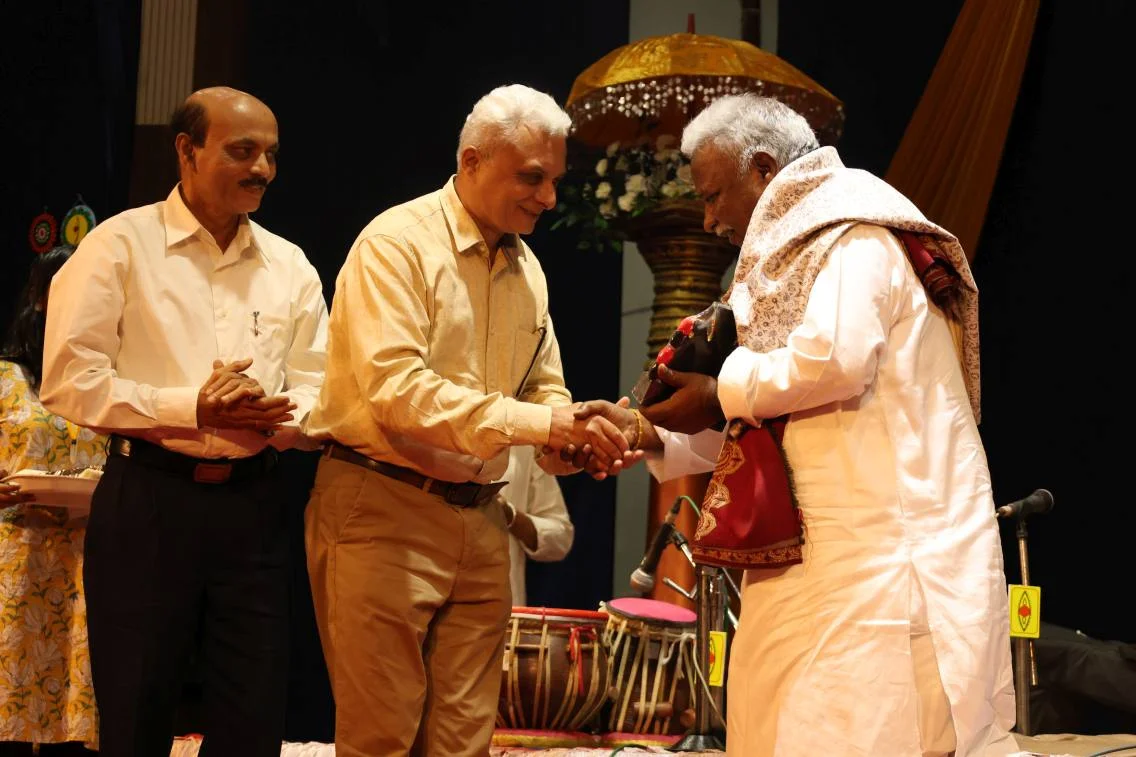
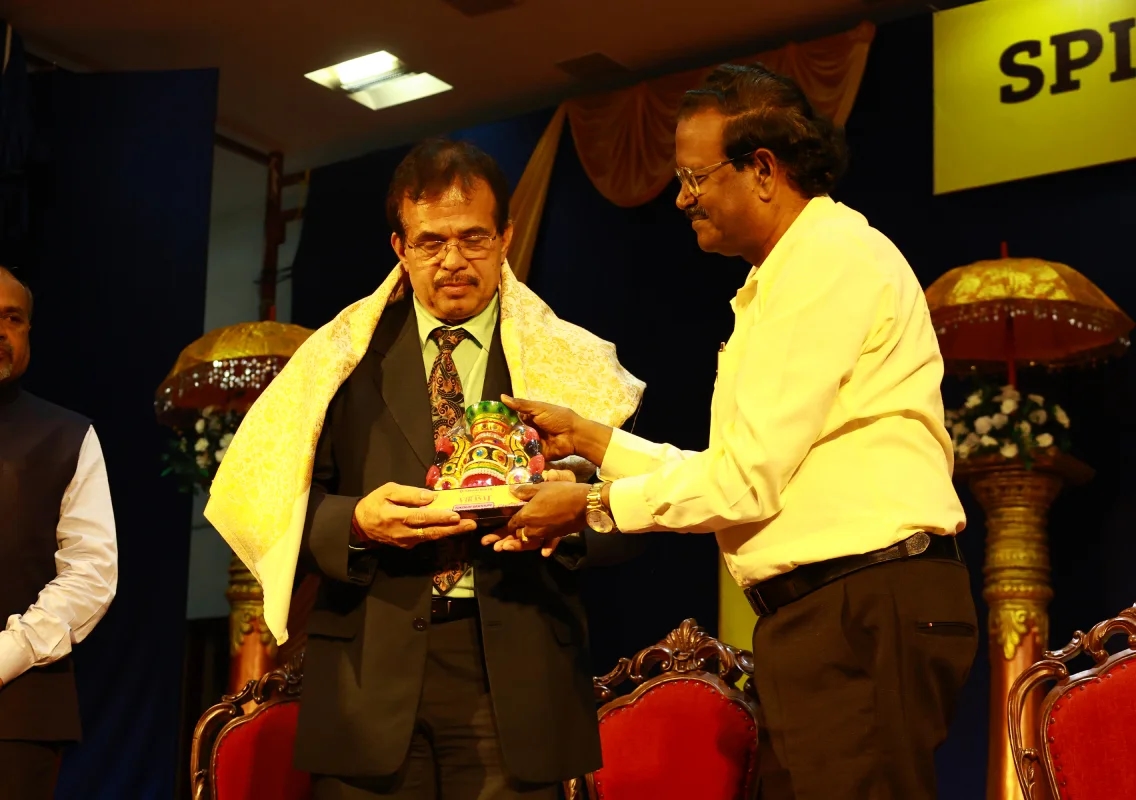
Virasat’26 was inaugurated on February 4, 2026, at 5.30 pm in a dignified ceremony. The event was graced by Shri Raghavendra S. Bhat, Managing Director and Chief Executive Officer of Karnataka Bank Ltd, as the Chief Guest. The Special Guest for the evening was Padma Shri awardee Pandit M. Venkatesh Kumar, one of the most respected voices in Hindustani classical music.
The programme was presided over by Prof. Subhash C. Yaragal, Deputy Director of NITK, in the presence of Prof. Govinda Raj M, Dean of Students’ Welfare. Following the formal inauguration, Pandit Venkatesh Kumar enthralled the audience with a soulful Hindustani vocal concert, setting a reflective and uplifting tone for the days to follow.
Evening concerts by renowned artistes
Each evening of Virasat’26 features a major performance by celebrated artistes from different streams of Indian classical arts, offering audiences a rich and varied cultural experience.
On February 5, the stage is set for a Carnatic violin concert by Vidwan R. K. Shriram Kumar, a recipient of the Sangeetha Kalanidhi Award. He is accompanied by Vidwan Manoj Siva on the mridangam and Vidwan Anirudh Athreya on the kanjira, promising an evening of refined melody and rhythmic brilliance.
The February 6 programme showcases Bharatanatyam by Vidwan Praveen Kumar, an Ustad Bismillah Khan Yuva Puraskar awardee. His performance is supported by Vidushi Smruthi Bhaskar (vocal), Vidwan Vidya Shankar (mridangam), Vidwan Raghu Simha (flute), and Vidwan Jagadhishwar Sukumaran (natuvangam), presenting a complete and traditional Bharatanatyam ensemble.
On February 7, audiences will witness a Carnatic vocal concert by Vidushi Dr. S. Sowmya, a Sangeetha Kalanidhi awardee known for her scholarly and emotive renditions. She will be accompanied by Vidwan Embar Kannan on the violin, Vidwan Neyveli Narayanan on the mridangam, and Vidwan Payyannur Govinda Prasad on the morsing.
The festival concludes on February 8 with a Kuchipudi performance by Vidushi Vyjayanti Kashi, a recipient of the Sangeet Natak Akademi Award. She will be joined by Vidwan Vinay Manya (vocal), Vidwan Nitish K (flute), Vidwan Pruthvi Krishna (mridangam), and Vidushi Pratiksha Kashi (natuvangam), bringing the curtain down on Virasat’26 with grace and expressive storytelling.
Workshops fostering experiential learning
In addition to evening concerts, Virasat’26 places strong emphasis on student engagement through workshops held during the day. These sessions are designed for school and college students, offering direct interaction with accomplished artistes and craftsmen.
The workshops include Kuchipudi by Vidushi Vyjayanti Kashi and Vidushi Pratiksha Kashi, Bharatanatyam by Vidwan Praveen Kumar, and Carnatic vocal music by Vidushi Manasi Prasad. Traditional visual and craft forms are also represented through Cheriyal sawdust mask making by Smt. D. Padma and Cheriyal scroll painting by Shri D. Nageswar Rao. These workshops aim to deepen understanding of technique, history, and cultural context.
NITK’s vision for cultural outreach
Speaking about the festival, Prof. Govinda Raj M, Dean of Students’ Welfare, stated that Virasat is aimed at reviving India’s rich cultural heritage and spreading it to people of all age groups, including schoolchildren, college youth, families, and senior citizens. He noted that such initiatives help cultivate sensitivity, discipline, and aesthetic appreciation among students.
About SPICMACAY
SPICMACAY, as noted on Wikipedia, is a non-profit cultural movement founded by Dr. Kiran Seth in 1977 to promote Indian classical music, dance, folk arts, and crafts among the youth. With chapters across premier institutions such as IISc, IITs, NITs, and IISERs, the organisation has played a pivotal role in sustaining India’s intangible cultural heritage. SPICMACAY NITK, part of the Mangalore Chapter, is a student-led initiative supported by the NITK administration.
Conclusion
SPICMACAY Virasat’26 at NITK Surathkal stands as a vibrant confluence of tradition, learning, and community engagement. By bringing together legendary performers, immersive workshops, and an open invitation to the public, the festival reaffirms the enduring relevance of Indian classical arts in contemporary society and strengthens the bond between youth and cultural heritage.