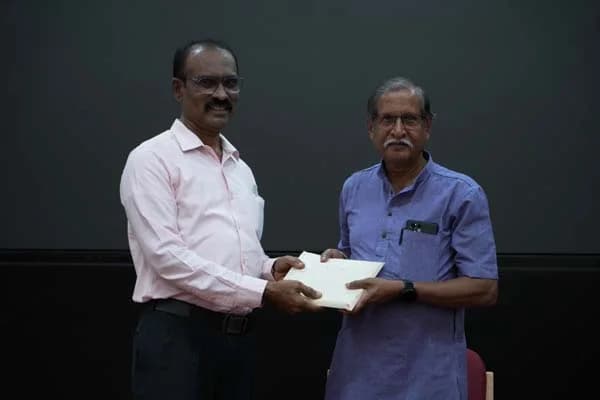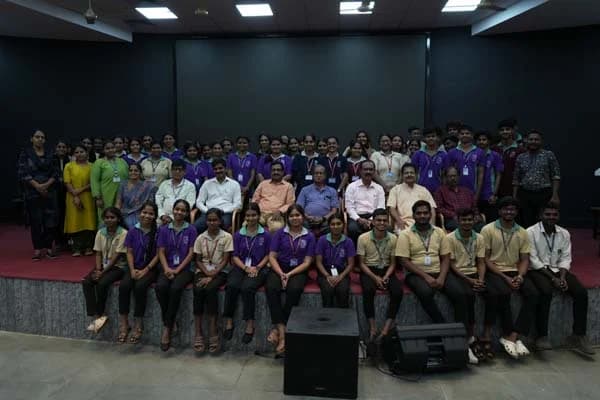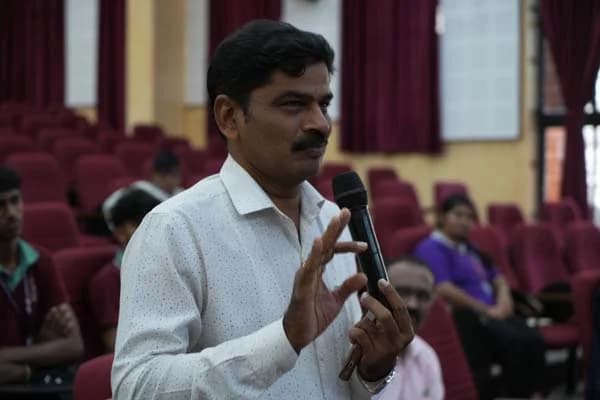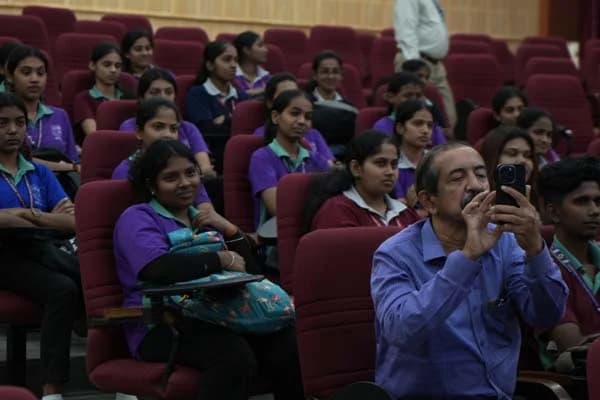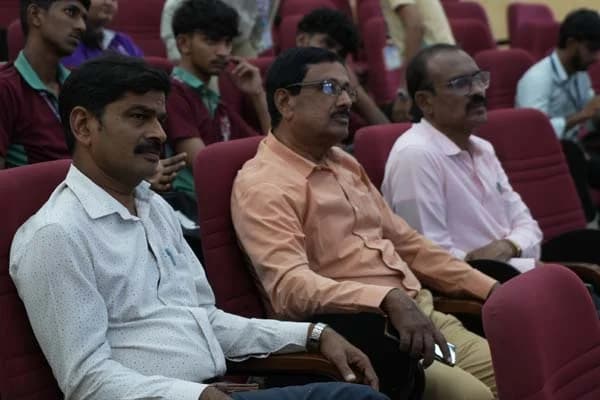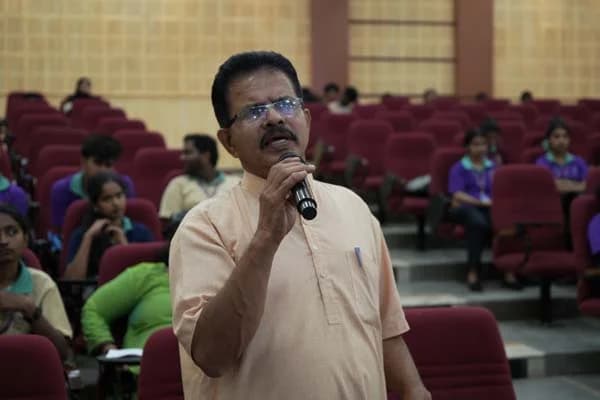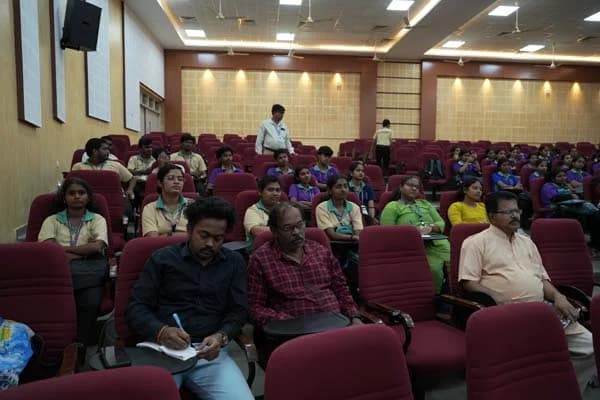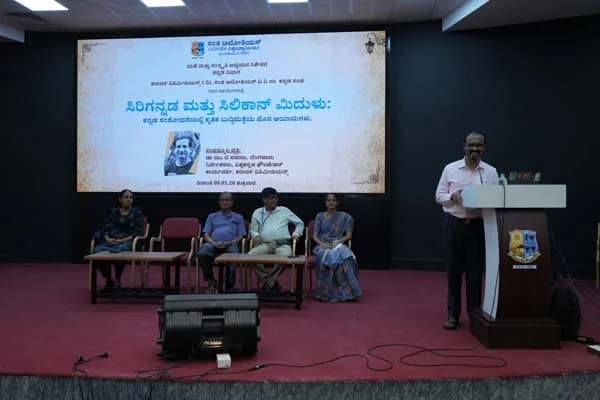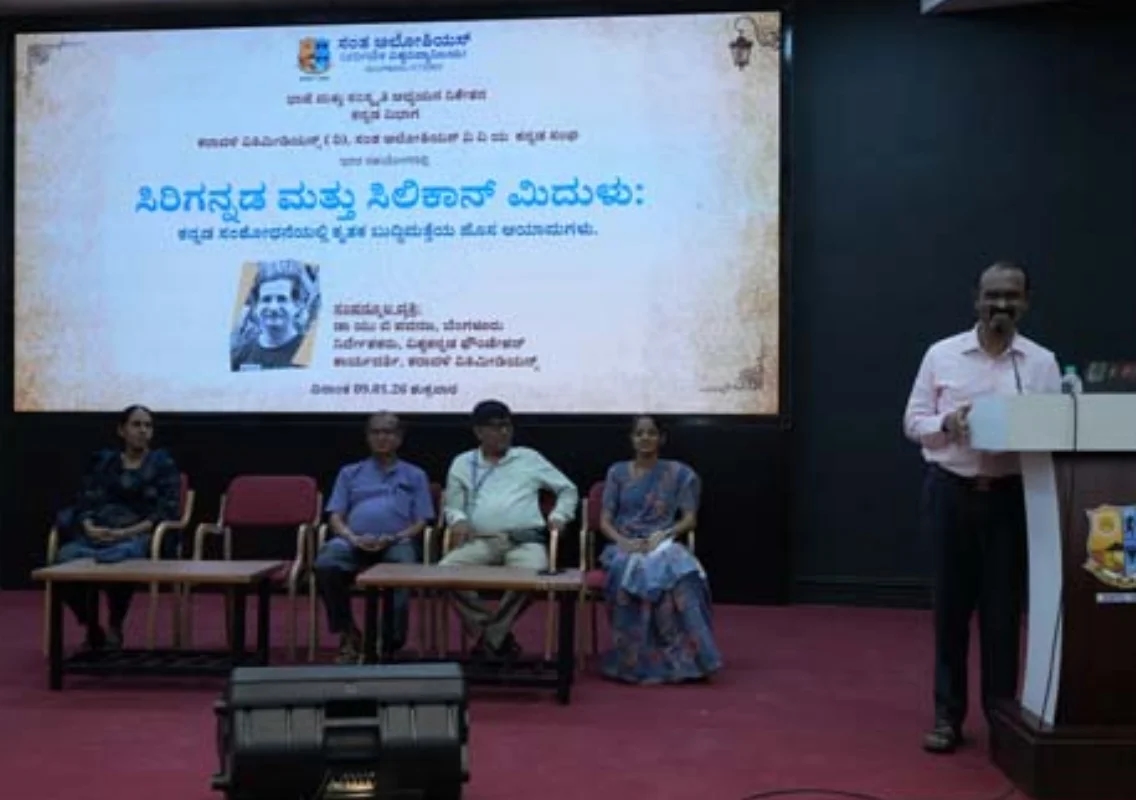


Mangaluru: The Department of Kannada and Kannada Sangha, School of Language and Culture Studies, St Aloysius University, in association with Karavali Wikimedia, organised a workshop titled ‘Siri Kannada and Silicon Brain’, introducing new dimensions of artificial intelligence in Kannada language research.
The programme focused on exploring how modern technologies such as artificial intelligence (AI) and computational language analysis can be effectively applied to Kannada studies, opening fresh academic and research possibilities for scholars and students.
AI opens new pathways in Kannada research
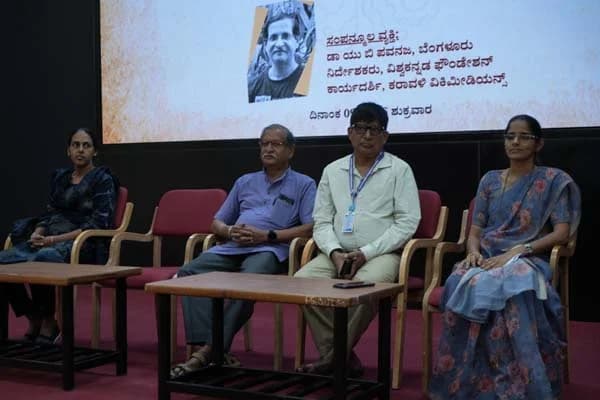
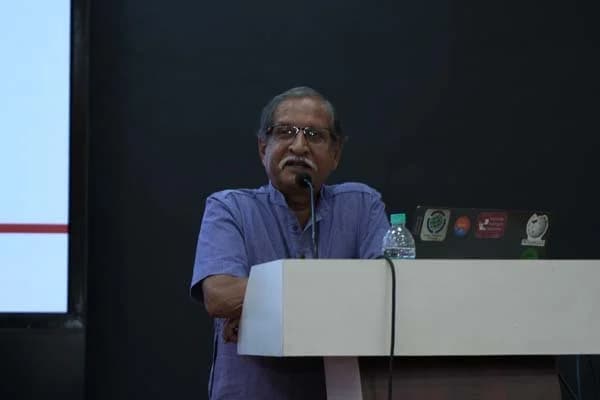
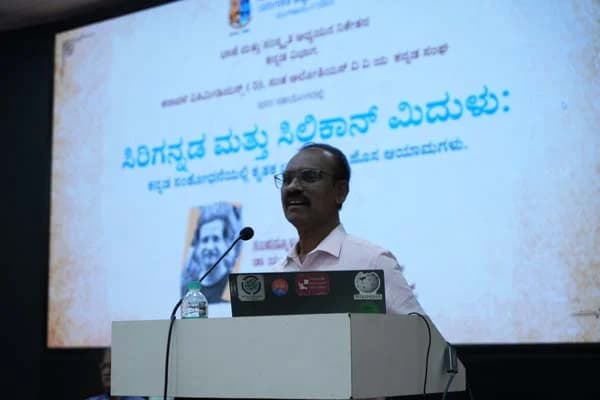
The Resource Person for the workshop was U. B. Pavanaja, Director of the Vishwa Kannada Foundation, Bengaluru, and Secretary of Karavali Wikimedia. Presiding over the programme was Vishwanatha Badikana, former Professor of Kannada and President of Karavali Wikimedia.
In his address, Dr Pavanaja emphasised that Kannada research can be taken in a new direction through the use of artificial intelligence and language analysis techniques. He explained that by identifying the unique writing style of an author, computer programmes can determine whether an anonymous article was written by the same author.
He further noted that AI tools can also be used to detect plagiarism by comparing original articles with suspicious texts and identifying similarities between them, thereby strengthening the academic integrity of research work.
Making computers understand language
Dr Pavanaja introduced participants to the basic principles of how computers can be trained to understand language, recognise patterns in word usage, and analyse textual structures using AI-based methods. He said such techniques are increasingly relevant not only for research but also for documentation, digitisation, and preservation of Kannada literature.
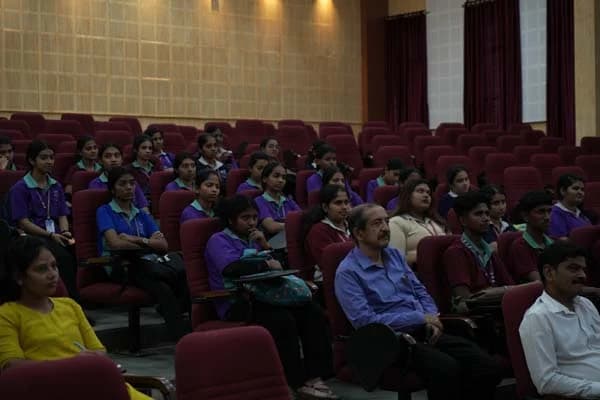
Participants were given insights into how language technology can assist scholars in handling large volumes of text, conducting stylistic analysis, and carrying out comparative literary studies more efficiently. The session generated keen interest among researchers and students, many of whom expressed enthusiasm about integrating technology into traditional language studies.
The workshop also highlighted the growing relevance of Artificial intelligence in the humanities, particularly in regional language research.
Dignitaries and faculty participation
Several academicians and faculty members were present on the dais, including Niketan, Dean of the School of Language and Culture Studies; Dr Mahalinga Bhat, Head of the Department of Kannada; Ms Vinayadurga, Professor and President of Kannada Sangha; Dr Dinesh Nayak, Professor in the Kannada Department; and other members of the faculty.
Their presence underlined the University’s commitment to interdisciplinary learning and the integration of technology with language and cultural studies.
Student and faculty engagement
The programme began with a welcome address by Prashanthi B., Assistant Professor of Kannada, who highlighted the importance of equipping students with modern research tools. She noted that initiatives like ‘Siri Kannada and Silicon Brain’ help bridge the gap between classical language studies and contemporary technological advancements.
The event was compered by Vachana, a BSc student, reflecting active student involvement in academic programmes beyond their core disciplines.
Blending tradition with technology
Organisers said the workshop was part of a broader effort to encourage innovative approaches in Kannada research while preserving the richness of the language. By combining traditional literary scholarship with computational tools, the programme aimed to prepare students and researchers for emerging academic and professional opportunities.
The ‘Siri Kannada and Silicon Brain’ workshop concluded with interactive discussions, leaving participants with a deeper understanding of how technology can support, rather than replace, humanistic inquiry in language studies.