







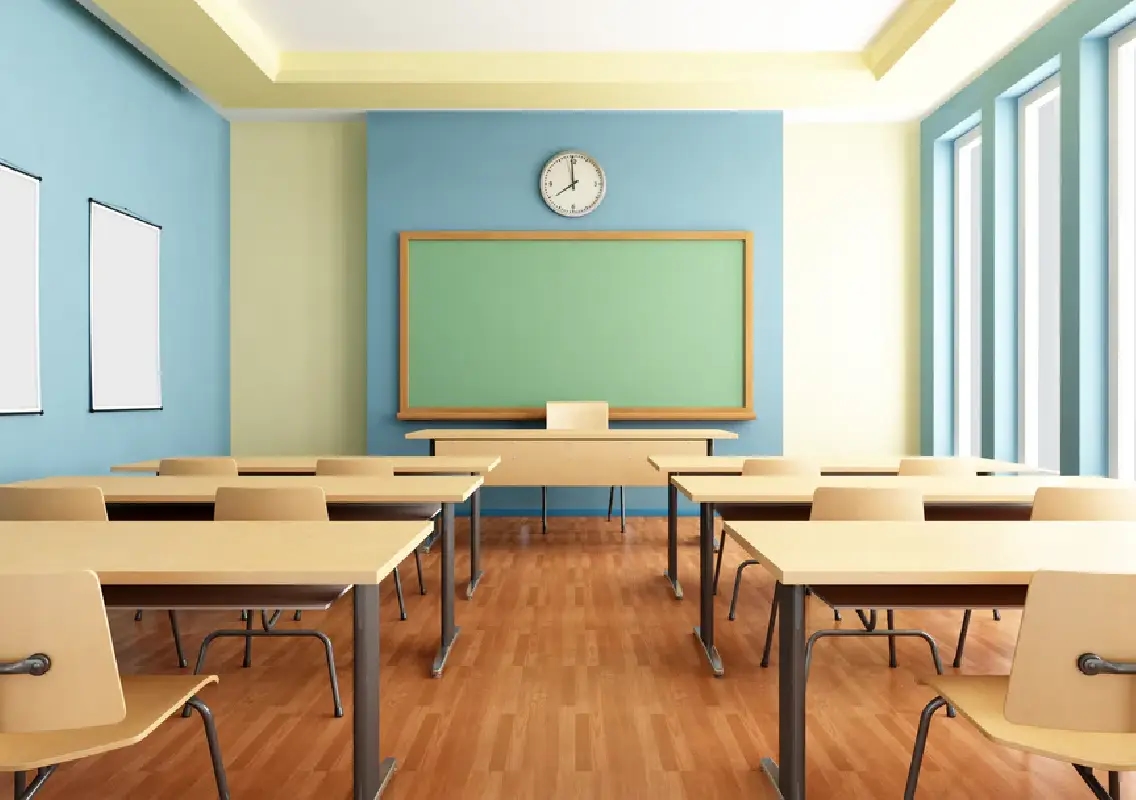


What looks like a simple classroom routine often hides careful planning, strategy and deep emotional awareness. Teachers say student seating arrangements are one of the most underestimated yet powerful tools in classroom management — a fact now resonating widely online.
More strategy than meets the eye
Salt Lake City educator Aimee Jensen says deciding where students sit is anything but random. Comparing it half-jokingly to military-level planning, Jensen notes that a seating chart can make or break a classroom’s learning environment.
Teachers often move far beyond alphabetical order, constantly adjusting seats as friendships shift, conflicts arise or learning needs emerge. “It’s a never-ending game of musical chairs,” Jensen said, adding that issues not visible at first surface quickly once students sit together.
A question that struck a chord
Currently on a career break to raise her infant daughter, Jensen shares teacher-focused content online. In December, she posted a question on Instagram asking teachers about their “pettiest” or most subtle seating chart decisions — excluding obvious friend separations.
The response was overwhelming. Teachers shared stories that were humorous, clever and deeply moving, revealing how seating can be used to manage behaviour, encourage inclusion and even support emotional wellbeing.
From humour to human connection
Among the stories: seating overly chatty students next to quieter peers, grouping habitual copiers together, or pairing shy students to gently build confidence. One teacher shared how placing a disruptive child closer for “monitoring” led to recognising signs of depression, creating a bond that proved life-changing.
Another teacher recalled seating a nervous student beside his crush for a group project — a move that eventually led to a lasting relationship.
Control with compassion
Not all seating plans succeed. Jensen admits some arrangements fail so badly they require immediate reversal. Yet she says the effort is worth it. Seating charts help teachers maintain control of their space so learning can happen — but they also reflect how closely educators observe and care for their students.
What this viral discussion shows is that in classrooms, small decisions often carry the biggest impact.