







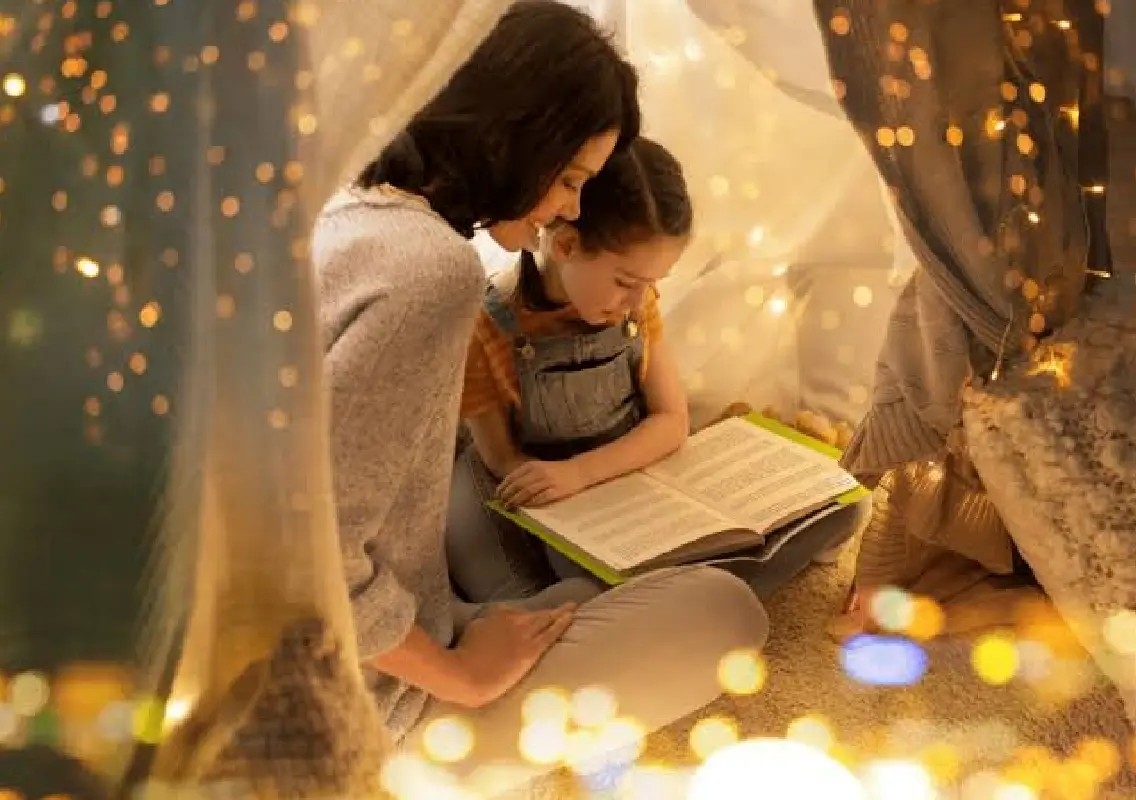


Reading a story with a young child may seem like a small part of a busy evening, but it can have a lasting influence on language, learning and the bond between parents and children. A recent report has highlighted concerns that families have not fully returned to pre-pandemic levels of reading with preschoolers.
The COVID-19 pandemic brought major changes to family routines, including the way parents spent time learning and playing with young children. Even years later, reading together has reportedly remained less frequent for some families.
Reading builds early skills
Regularly sharing books exposes children to new words, sounds, ideas and ways of expressing themselves. It can strengthen vocabulary and listening skills while helping children understand stories and emotions.
For preschoolers, repeated reading can also encourage curiosity and make learning feel enjoyable rather than like a formal lesson.
A few minutes can make a difference
Parents do not need elaborate routines or expensive resources to encourage reading. A short story before bedtime, a picture book after dinner or allowing a child to choose a favourite book can become part of everyday family life.
Young children often enjoy hearing the same story repeatedly. Such repetition can help them recognise words, anticipate what happens next and participate in telling the story.
Put connection before perfection
Reading together is also about relationships. Sitting beside a child, looking at pictures and discussing what is happening creates valuable one-to-one time.
For busy parents, even a few minutes of undistracted reading can be meaningful. Phones and other screens can wait while a story takes centre stage.
The message for families is simple: a book does more than teach a child to read. It can create a habit of learning while giving children the warmth and attention they need to thrive.