







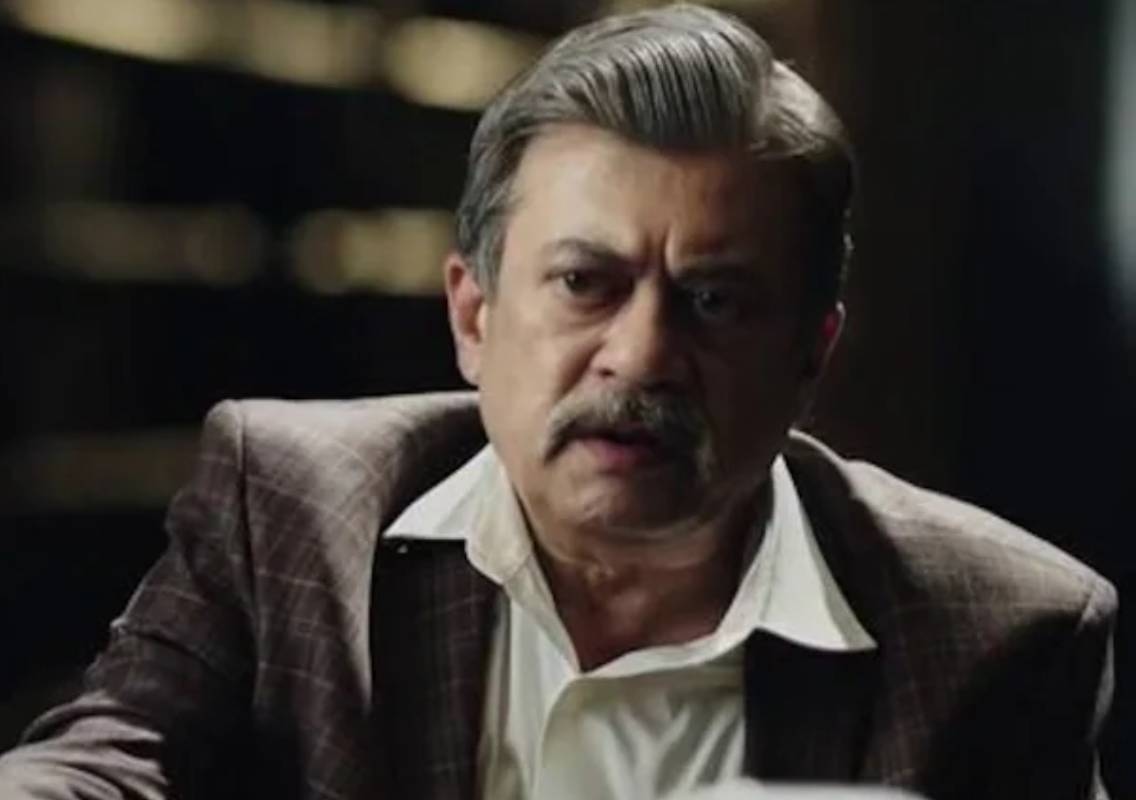


Bengaluru: Veteran Kannada actor Anant Nag has been named the recipient of the Dadasaheb Phalke Award 2024, recognising his contribution to Indian cinema and a career spanning more than five decades. The Government of India announced the honour on September 16, 2026, with the award scheduled to be presented at the 72nd National Film Awards ceremony in Kevadia, Gujarat, on September 22.
For an actor whose work has crossed Kannada, Hindi, Telugu, Tamil, Malayalam, Marathi and English cinema, the honour marks another major milestone in an extraordinary career.
But Anant Nag’s journey to becoming one of Indian cinema’s most respected actors was far from straightforward. Before theatre and films became his calling, he faced academic difficulties, considered joining an ashram and even attempted to enter the armed forces. His efforts were unsuccessful, with the Army reportedly rejecting him on grounds of being underweight and the Air Force turning him down because of his eyesight.
What followed was an unexpected turn towards theatre — and eventually a career that would span parallel cinema, mainstream Kannada films, television and politics.
From academic struggles to a military dream
Born on September 4, 1948, Anant Nag spent his early years in ashrams and schools in coastal Karnataka. The Padma Awards citation records that he spent his formative years at Anandashram in Kasaragod district and at Shri Chitrapur Math in Shirali before continuing his education in places including Udupi, Shirali and Honnavar. He later moved to Bombay for his education.
The transition to an English-medium environment proved difficult. His academic struggles eventually included failing his matriculation examination, leaving him uncertain about his future.
At the time, the armed forces offered him a possible route towards a more disciplined life. The wars of 1962 and 1965 had also made a strong impression on him, while his involvement with the Auxiliary Cadet Corps and National Cadet Corps had familiarised him with military life.
However, the attempt did not work out. Accounts of his early life state that the Army rejected him because he was underweight, while the Air Force rejected him because of poor eyesight. The setbacks once again left him searching for direction.
That search eventually took him to Mumbai’s theatre movement.
Theatre opened the door to cinema
Acting was not initially seen as a conventional career choice, but theatre gave Anant Nag the opportunity to discover his strengths as a performer.
His first major stage opportunity came with a Konkani play based on the life of Chaitanya Mahaprabhu. The Padma Awards citation notes that he was selected to play the lead in a three-act production during his college years.
Over the next few years, Nag immersed himself in theatre and worked across Konkani, Kannada, Marathi and Hindi productions. He came into contact with influential theatre figures including Satyadev Dubey, Girish Karnad and Amol Palekar.
According to biographical accounts, he performed in more than 50 plays during roughly five years.
Theatre eventually became the foundation for his screen career.
Sankalpa and Ankur changed his career
Anant Nag entered Kannada cinema with Sankalpa in 1973. His work in theatre had brought him to the attention of filmmakers, leading to his first screen opportunity.
The same period also brought his entry into Hindi cinema. Theatre director Satyadev Dubey introduced him to filmmaker Shyam Benegal, who cast him in Ankur.
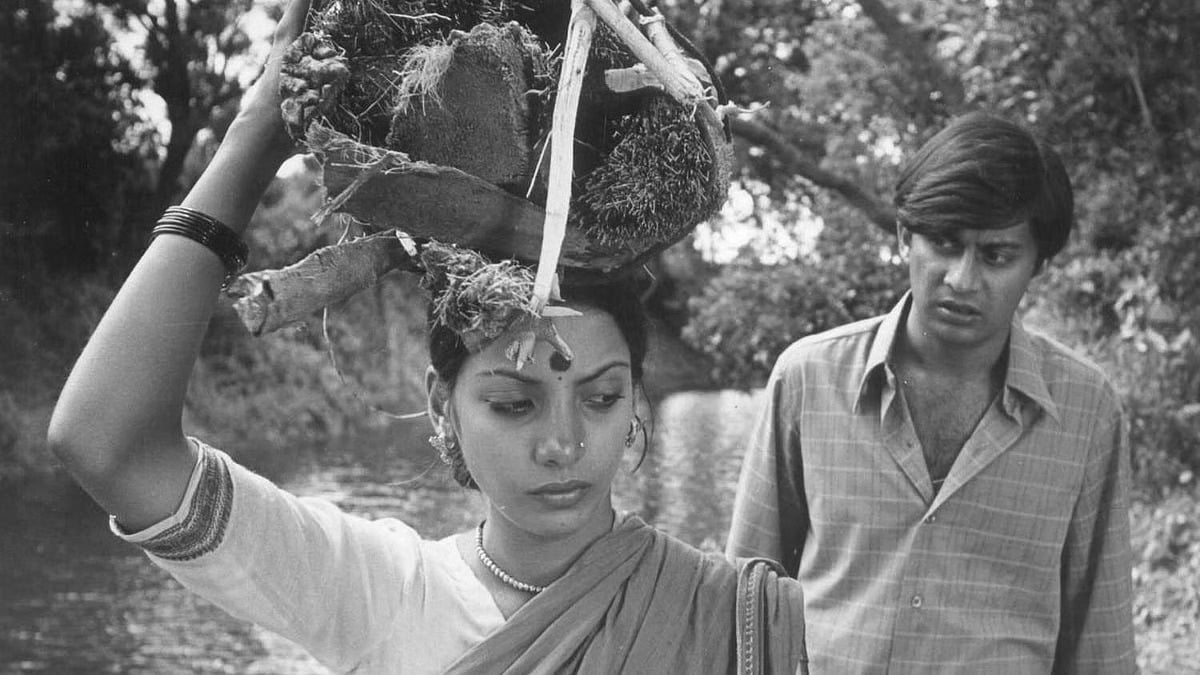
The film became an important work of India’s parallel cinema movement, and Nag emerged as one of its notable performers. His collaboration with Benegal continued through films including Nishant, Manthan and Bhumika.
This period established a pattern that would define much of Nag’s career: moving comfortably between serious, socially rooted cinema and mainstream entertainment.
Malgudi Days became another landmark
Anant Nag’s association with Malgudi Days gave him a different kind of cultural visibility.
The television series, based on R.K. Narayan’s stories and directed by his younger brother Shankar Nag, became one of the most remembered Indian television productions of its era. Nag’s involvement in the series added another important chapter to his already diverse body of work.
His career subsequently expanded across several genres and industries.
In Kannada cinema, he became equally comfortable in drama, romance and comedy. Films such as Mungaru Male, Ganeshana Maduve, Gauri Ganesha, Golmaal Radhakrishna and Maneli Ili Beedhili Huli showcased different sides of his acting.
His later work also introduced him to younger generations of audiences. His role as Anand Ingalagi in K.G.F: Chapter 1 brought him into one of the most widely discussed modern Kannada film franchises.
He also appeared in Sarkari Hi. Pra. Shaale, Kasaragodu, Koduge: Ramanna, where his performance included a memorable single-take sequence.
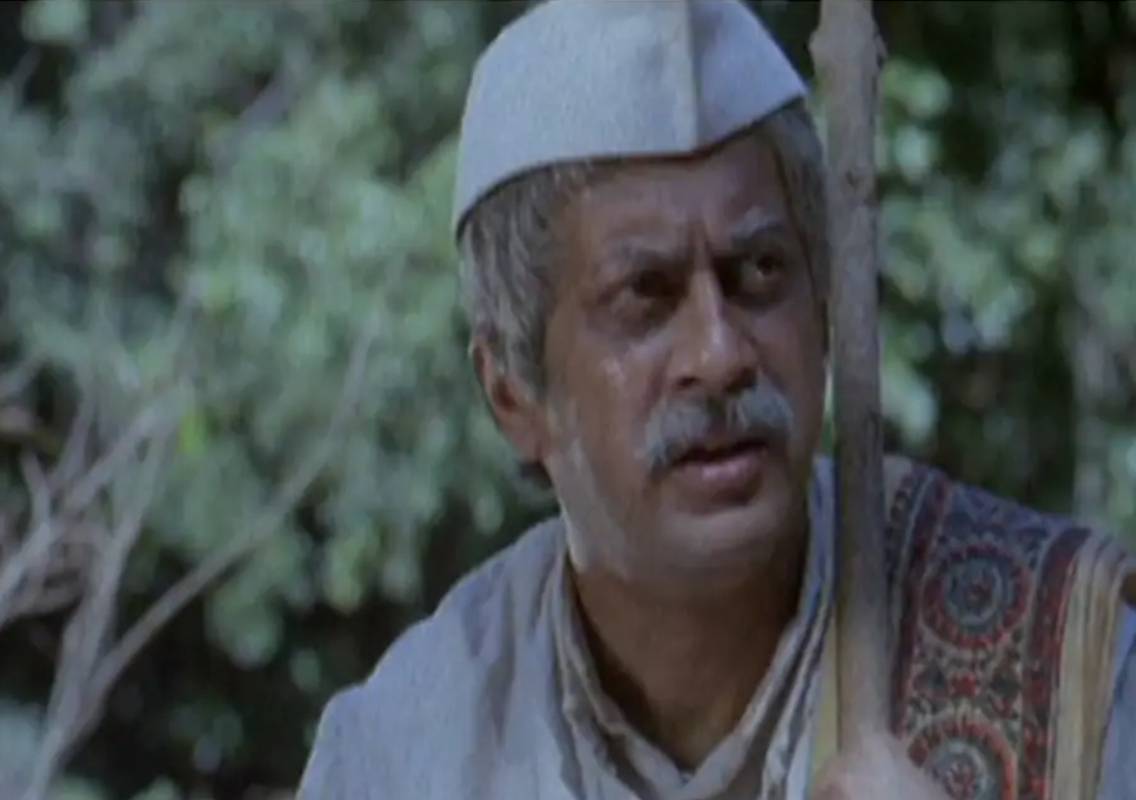
Anant Nag’s journey also entered politics
Cinema was not the only field in which Anant Nag became active.
Influenced by the Jayaprakash Narayan movement, Nag became associated with the Janata political movement and served as a campaigner for the Janata Party and later the Janata Dal. His political involvement eventually moved beyond campaigning.
The Karnataka Legislative Council records show that Nag was a nominated member of the Council from 1988 to 1994.
In 1994, he won the Karnataka Assembly election from Malleshwaram as a Janata Dal candidate. He subsequently became a minister in the J.H. Patel government and handled responsibilities connected with urban development in Bengaluru. Contemporary records and reports document his ministerial role during the 1990s.
His political career was another unusual chapter in a life that had already moved through several different worlds — from ashrams and classrooms to military ambitions, theatre stages, film sets and the state legislature.
Awards before the Dadasaheb Phalke honour
The Dadasaheb Phalke Award is the latest in a long list of recognitions for Anant Nag.
He has received multiple Karnataka State Film Awards and has been recognised for his contribution to Kannada cinema over several decades.
In 2025, the Government of India conferred the Padma Bhushan on Anant Nag in the field of Art. The official Padma Awards records list him among the 2025 Padma Bhushan awardees from Karnataka.
The latest honour places him among the recipients of the Dadasaheb Phalke Award, India’s highest cinema honour, which recognises outstanding contribution to the growth and development of Indian cinema. The government said Nag’s award acknowledges his contribution to Indian cinema and his illustrious cinematic journey of more than five decades.
A career shaped by unexpected turns
There is an interesting irony to Anant Nag’s early struggle to find a profession.
Had his attempts to enter the armed forces succeeded, Indian cinema might have seen a very different career unfold. Instead, rejection from the Army and Air Force was followed by an entry into theatre, which eventually led him to filmmakers such as Shyam Benegal and performers and playwrights who shaped modern Indian theatre.
From Ankur and Malgudi Days to Mungaru Male and K.G.F, his work has crossed generations and genres.
The Dadasaheb Phalke Award therefore adds another significant chapter to a journey that began with uncertainty and moved through theatre, parallel cinema, television, mainstream Kannada films and politics.
For Anant Nag, the journey from being rejected by the military to becoming one of the defining faces of Kannada cinema is a reminder of how unexpectedly a career can take shape. The award ceremony on September 22 will formally recognise that five-decade-plus contribution to Indian cinema.