







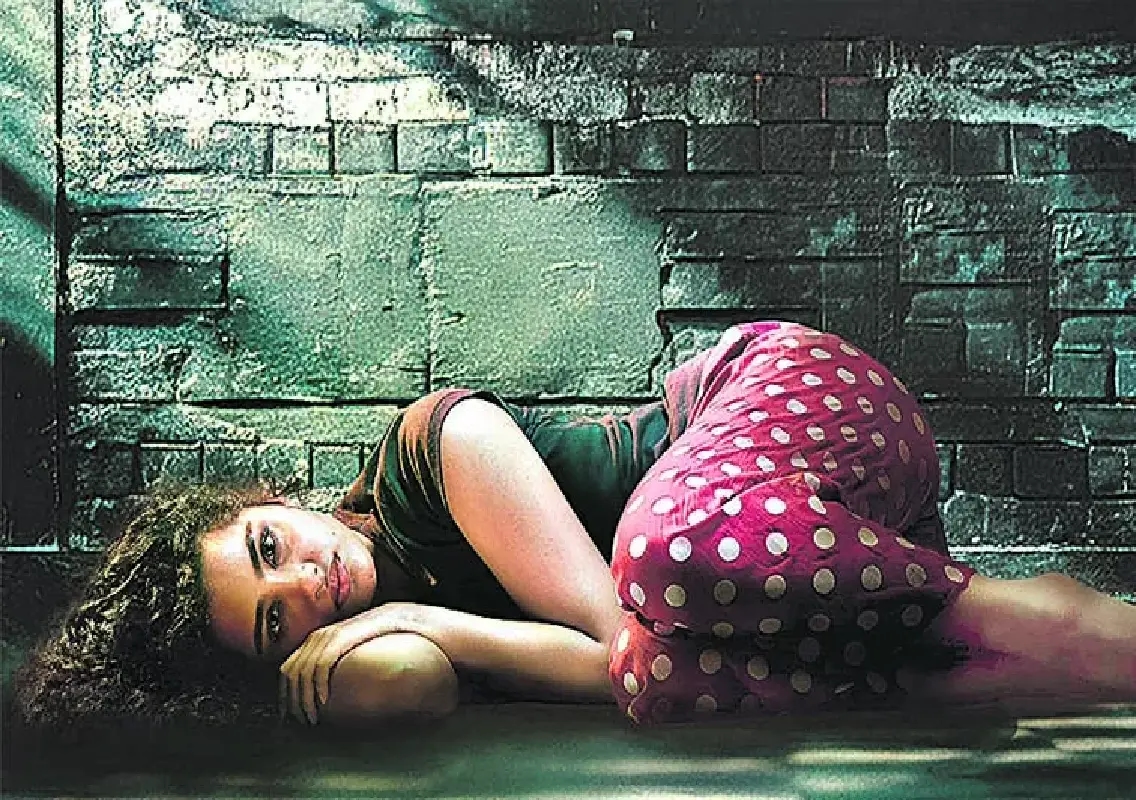


Chennai: After facing multiple postponements due to unforeseen circumstances and adverse weather conditions in December, Lockdown, headlined by Anupama Parameswaran, is finally set to premiere in theatres on January 30. With its trailer now out, the film has drawn attention for its emotionally charged narrative and intimate portrayal of life under prolonged isolation, positioning it as one of the more serious and thought-provoking releases of the season.
A delayed release finally finds its date
Lockdown was initially scheduled for release late last year, but repeated disruptions, including weather-related challenges, forced the makers to push the date multiple times. The confirmation of the January 30 release has come as a relief to both the team and fans, especially after months of uncertainty. Industry observers note that such delays are not uncommon, but the makers’ decision to wait for a clear theatrical window reflects confidence in the film’s content-driven appeal rather than rushing it to screens.
Anupama Parameswaran in an intense central role
At the heart of Lockdown is Anupama Parameswaran, who essays the role of Anita, a woman navigating the emotional and psychological strain of an extended lockdown. Known for her performances in films across Telugu, Tamil and Malayalam cinema, Parameswaran appears in a more restrained and introspective avatar this time. The trailer suggests that the film relies heavily on her ability to convey vulnerability, resilience and inner conflict, making it one of the most demanding roles of her career.
Anita’s journey, as glimpsed in the trailer, unfolds within confined spaces, mirroring the mental state of someone cut off from normal social interaction. Rather than focusing on external drama, the narrative seems to explore how isolation reshapes relationships, self-perception and emotional stability.
Direction focused on realism and emotional depth
Directed by AR Jeeva, Lockdown appears to prioritise realism over spectacle. The director’s approach, as indicated by the trailer, is understated, allowing silences, expressions and everyday moments to carry the emotional weight of the story. Jeeva uses the lockdown setting not merely as a backdrop but as a catalyst that brings suppressed fears and unresolved conflicts to the surface.
The film’s pacing, as suggested in the preview, is measured, giving space for character development and emotional transitions. This storytelling choice aligns with the broader trend in Indian cinema where intimate, character-driven dramas are increasingly finding space alongside large-scale commercial films.
Cinematography and music enhance the mood
Cinematography by Sakthivel plays a crucial role in shaping the film’s tone. The visuals emphasise confinement through tight frames, muted colour palettes and minimalistic interiors, reinforcing the sense of isolation experienced by the characters. Light and shadow are used effectively to convey emotional states, making the visual language an extension of the narrative.
Music is jointly handled by NR Raghunanthan and Siddharth Vipin, whose background score underscores the emotional intensity without overwhelming the scenes. The trailer hints at a score that is subtle yet evocative, enhancing moments of despair, hope and quiet resilience. Songs, if any, appear to be integrated organically into the narrative rather than functioning as standalone commercial elements.
Supporting cast adds layers to the story
Alongside Anupama Parameswaran, Lockdown features a strong supporting cast including Charlie, Nirosha and Priya Venkat. Their characters seem to represent different responses to crisis, offering a broader perspective on how individuals cope with uncertainty and fear. Charlie, in particular, is known for bringing depth to emotionally complex roles, and his presence adds weight to the ensemble.
The interactions between these characters suggest that the film explores not just individual isolation but also strained relationships, generational differences and emotional dependencies that surface during prolonged confinement.
A story rooted in shared experience
What sets Lockdown apart is its relevance. The events of extended lockdowns are still fresh in public memory, and the film taps into a collective experience that transcends age, geography and background. Rather than revisiting the period through sensational incidents, the narrative appears to focus on the quieter, more personal struggles that many endured.
Trade analysts believe this relatability could work in the film’s favour, especially among urban audiences who appreciate realistic storytelling. While the film may not target massive box office numbers running into hundreds of crore, it is expected to perform steadily, driven by word of mouth and critical appreciation.
Expectations ahead of release
With its January 30 release locked in, Lockdown enters theatres at a time when audiences are increasingly open to content-driven cinema. The trailer has set expectations for a serious, emotionally resonant drama that relies on performances and atmosphere rather than commercial tropes.
Conclusion
Lockdown promises to be a poignant exploration of isolation, resilience and emotional survival during extraordinary times. Anchored by Anupama Parameswaran’s intense performance and supported by strong technical craftsmanship, the film aims to offer a reflective cinematic experience. As it finally reaches theatres after multiple delays, all eyes will be on how audiences respond to this deeply personal story.