







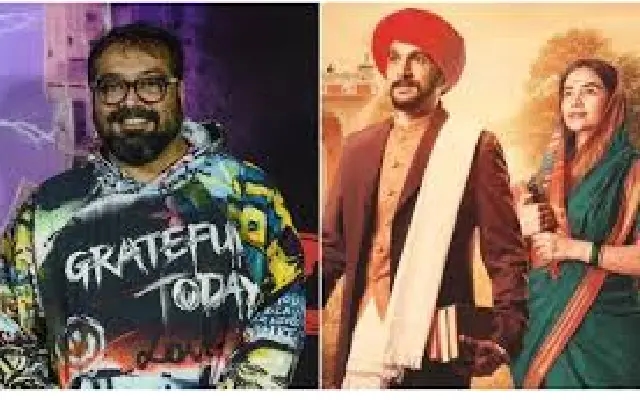


Filmmaker and writer Anurag has come under fire for a controversial comment made on social media targeting the Brahmin community. The backlash intensified after a screenshot of his reply to a comment went viral, prompting rape and death threats directed not just at him but at his family, friends, and colleagues, according to his latest statement.
The Controversial Comment:
Anurag’s Instagram reply to a follower — who wrote, “Brahmins are your father” — read:
“Brahmin pe main m*******a… koi problem?”
(The censored phrase was widely interpreted as a vulgar expression of disdain.)
He later defended the context of his statement, stating that it was made in response to online abuse, and his outrage was against oppressive ideology, not a blanket statement against a community.
Anurag’s Clarification and Apology:
In a follow-up Instagram post, Anurag stood by his original sentiment but issued what he called an apology “not for the post but for one line taken out of context” that resulted in threats against women associated with him.
“This is my apology… not for my post but for that one line taken out of context and the brewing hatred,” he wrote.
“Brahmin log, auraton ko baksh do, itna sanskar to shastron mein bhi hai, sirf manuwaad mein nahin hai. Decide which Brahmin you are.”
He emphasized that his family should not be dragged into the controversy and condemned the threatening messages, especially those directed at women.
Key Themes from Anurag’s Post:
- Defiance: He maintains that his statement was against “manuwaadi” ideology, not against the Brahmin community as a whole.
- Contextual Defense: He says the line was a reaction to online casteist abuse.
- Appeal for Restraint: He urged critics not to target women and families in ideological disputes.
- Cultural Critique: In his post, Anurag criticized “those hiding behind scriptures” and “demeaning others for self-glorification.”
Reactions:
The incident has sharply divided social media. While some accused him of hate speech and caste-based vilification, others defended his right to critique caste-based oppression, citing the targeted abuse he received.
Read also: