







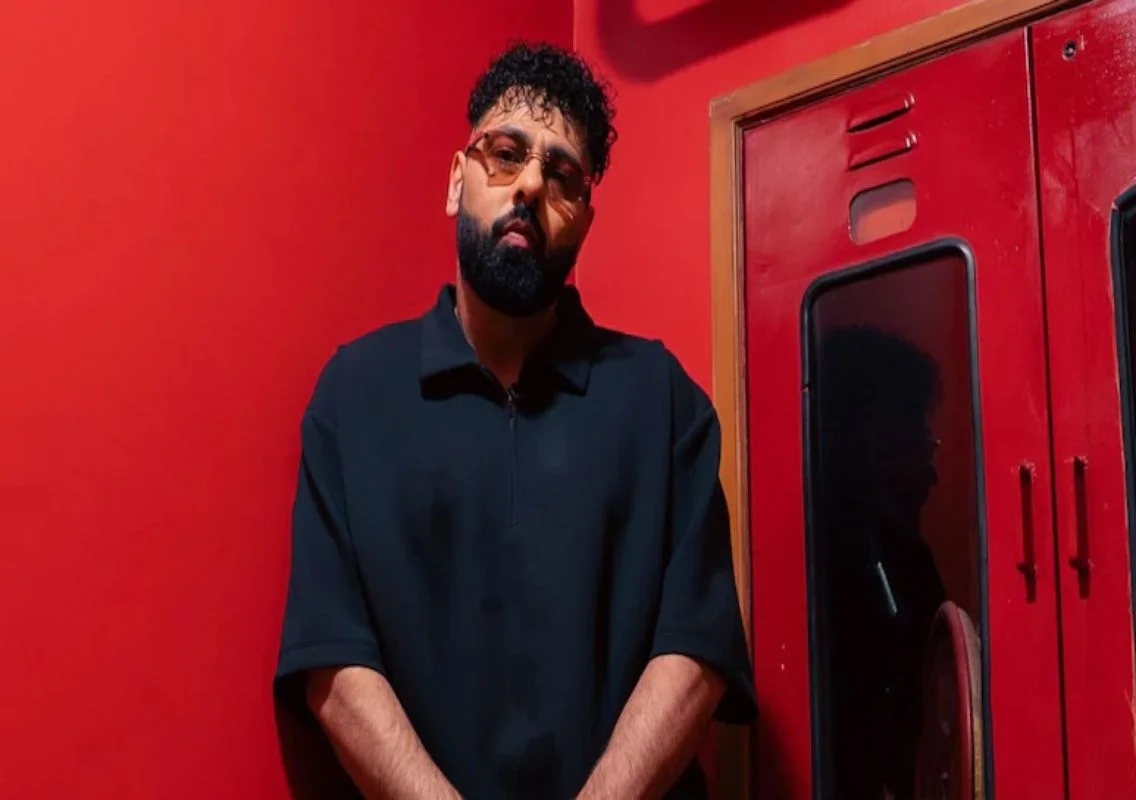


New Delhi: Rapper Badshah has been summoned by the National Commission for Women (NCW) over allegations of obscenity and vulgarity in his recently released Haryanvi track Tateeree.
The Commission said it has taken suo motu cognisance of media reports highlighting concerns over the song’s lyrics and visuals, which are alleged to be objectionable and in violation of multiple legal provisions.
NCW flags legal concerns
In an official statement, the NCW noted that the content of the song appears to prima facie violate provisions under the Bharatiya Nyaya Sanhita, the Information Technology Act, and the Indecent Representation of Women (Prohibition) Act, 1986.
The Commission has asked Badshah, along with directors Mahi Sandhu and Joban Sandhu, as well as producer Hiten, to appear before it on March 25 with relevant documents.
It has also warned that failure to comply with the summons may lead to appropriate legal action.
Growing controversy around the song
Badshah, whose real name is Aditya Prateek Singh Sisodia, has been facing criticism since the release of Tateeree. The backlash centres on allegations of “obscene lyrics” and “inappropriate visuals” in the music video.
The controversy follows closely on the heels of wider debates around content standards in music videos, particularly concerning representation of women.
Action by Haryana Women’s Commission
Earlier, the Haryana State Commission for Women had also taken action in the matter. Reports indicate that the state panel issued directions for action against the singer after he failed to appear before it within the stipulated deadline.
The developments have intensified scrutiny around the song and its creators.
Badshah issues apology
Amid the backlash, Badshah had shared a video on social media expressing regret if his work had hurt sentiments. He clarified that there was no intention to offend and acknowledged the concerns raised by audiences.
However, the apology has not halted official proceedings, with the NCW continuing its inquiry into the matter.
Larger debate on content regulation
The incident has once again sparked discussions around artistic freedom and responsibility in the entertainment industry. While artists often push creative boundaries, regulatory bodies emphasise the need to ensure that content does not promote objectionable or derogatory representations.
Conclusion
With the NCW now formally stepping in, the controversy surrounding Badshah’s song has entered a legal phase. The outcome of the March 25 hearing will be crucial in determining the next course of action.
The case also highlights the increasing scrutiny of digital content and the balance between creative expression and social accountability.
(This story has not been edited by News Karnataka staff and is auto-generated from a syndicated feed.)