







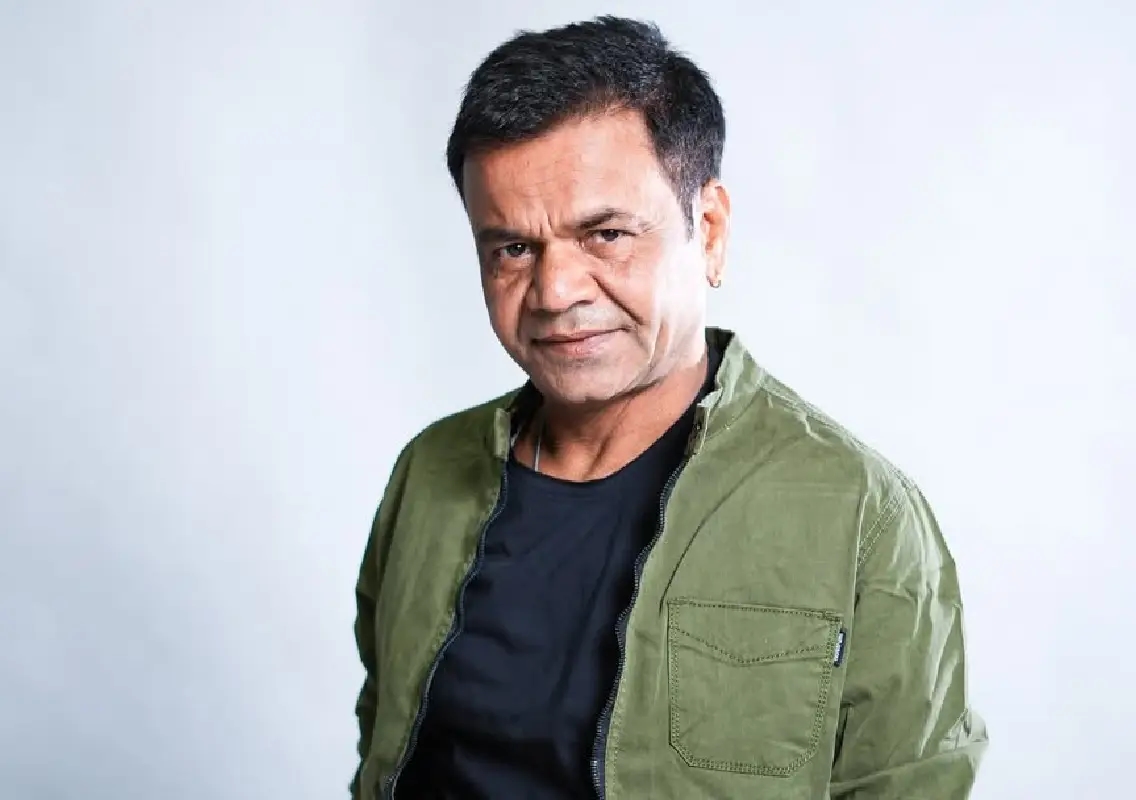


New Delhi: The Delhi High Court on Wednesday, February 12, took up Bollywood actor Rajpal Yadav’s bail application in a long-pending cheque dishonour case and directed the complainant to file a response. The development comes shortly after the actor surrendered at Tihar Jail following the rejection of his earlier plea seeking relief from the sentence imposed in the matter.
Court asks complainant to respond to bail application
During the hearing, counsel representing Rajpal Yadav informed the court that a formal bail application had been filed and requested that the complainant be directed to submit a reply. The lawyer also told the bench that he had been unable to establish contact with the actor and sought additional time to place further instructions on record.
The court, presided over by Justice Swarna Kanta Sharma, accepted the request to seek the complainant’s response and granted time for the same. The matter was adjourned to Monday for further consideration after the reply is filed.
The bench indicated that the bail plea would be examined on merits once the response and supporting documents are available on record.
Strong observations on earlier conduct
During the proceedings, the court also made pointed remarks regarding the sequence of events that led to the actor being taken into custody. The bench noted that the situation arose after earlier commitments in the case were not fulfilled.
As per court proceedings, the judge observed that repeated non-compliance with financial and legal obligations had contributed to the present stage of the case. The remarks came while reviewing the background and timeline linked to the execution of the sentence.
Such observations, though not part of a final order on bail, may form part of the broader context when the application is heard in detail at the next hearing.
Background of the cheque dishonour dispute
The case traces back to 2010, when Rajpal Yadav had taken a loan of about ₹5 crore from a company, M/s Murali Projects Pvt Ltd, for producing and directing a film project titled Ata Pata Laapata. The film did not perform as expected commercially, following which repayment disputes arose.
According to case records, the financial transaction later resulted in cheque dishonour proceedings after repayment instruments issued in connection with the loan were not cleared. This led to criminal complaints under applicable provisions of law dealing with cheque dishonour.
Over the years, the dispute moved through multiple stages of litigation, including trial proceedings and enforcement action.
Surrender at Tihar Jail after plea rejection
Earlier this month, the actor surrendered before authorities after his last-minute attempt to obtain relief from the court was rejected. Following the dismissal of that plea, he was taken into custody to serve a six-month sentence linked to the cheque dishonour case.
His surrender took place on February 5, after which he was lodged in Tihar Jail in compliance with the court’s direction. The current bail plea seeks interim relief during the pendency of further proceedings.
Legal experts note that in cheque dishonour cases, courts may consider bail depending on factors such as repayment efforts, settlement talks, conduct of the accused, and overall compliance with prior orders.
Statements reflecting financial distress
In a recent media interaction prior to surrender, the actor spoke about his financial difficulties and inability to immediately arrange the disputed amount. He indicated that he was facing a severe cash crunch and did not see an easy solution at that moment.
He also suggested that despite long years in the film industry, financial and legal troubles ultimately have to be handled individually. The remarks drew attention across the film fraternity and among fans.
Following these developments, reports suggested that some members of the film industry had expressed personal support for the actor. However, there has been no official confirmation of any formal financial settlement yet in court records.
What happens next in the case
With the High Court now directing the complainant to file a reply, the next hearing will focus on examining the bail request in detail. The court is expected to review the response, past compliance history, and legal grounds cited in the application.
If the complainant contests the bail strongly, the matter could involve detailed arguments from both sides. Alternatively, if settlement discussions progress, that may also be placed before the court.
Conclusion
The bail plea of Rajpal Yadav in the cheque dishonour case is now set for further hearing after the complainant files a formal reply. The High Court’s observations underline the importance of compliance with financial commitments and court directions. The outcome of the next hearing will determine whether the actor gets interim relief or continues to remain in custody while the case proceeds.