







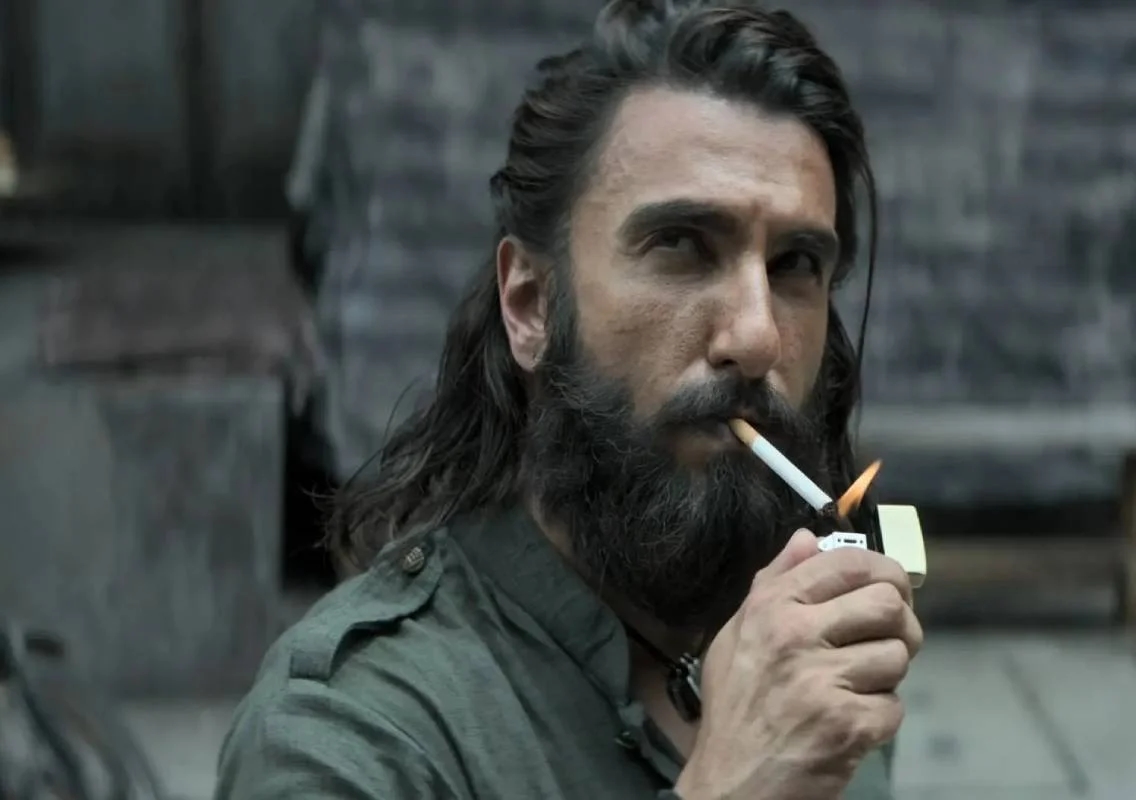


Mumbai: Dhurandhar: The Revenge arrives as a bold, high-octane sequel that leans heavily into power, politics and personality, with Ranveer Singh delivering a commanding performance that anchors the film’s intensity.
A darker, more intense sequel
Directed by Aditya Dhar, the film expands significantly on its predecessor, shifting from a geopolitical thriller into a deeply personal and character-driven narrative. Where the first instalment focused on infiltration, this sequel embraces annihilation — both physical and emotional.
The story follows Hamza Ali Mazari, formerly Jaskirat Singh Rangi, tracing his transformation from an idealistic soldier to a feared figure operating across borders. This dual identity becomes the emotional core of the film, adding layers to an otherwise aggressive narrative.
Ranveer Singh steals the show
Ranveer Singh delivers one of the most powerful performances of his career. Known for his versatility since Lootera, Singh pushes boundaries here, blending restraint with explosive energy.
His portrayal oscillates between quiet intensity and raw ferocity, making Hamza both compelling and unsettling. The performance is not just central to the film — it defines it.
Strong supporting cast
The film also gives ample space to its supporting cast, including Sanjay Dutt, Arjun Rampal and Rakesh Bedi. Each actor brings distinct depth, moving beyond decorative roles to fully realised characters.
Their performances complement the film’s scale, adding gravitas and tension to key moments.
Politics at the forefront
One of the film’s defining aspects is its unapologetic political tone. It draws references from real-world events and ideological narratives, blurring the line between fiction and reality.
From cross-border tensions to internal political shifts, the film engages with themes that resonate strongly with contemporary audiences. Despite its overt messaging, the narrative maintains its grip, ensuring that storytelling does not get overshadowed.
Technical brilliance
Technically, the film is polished and ambitious. Dhar’s direction blends close-up intensity with sweeping visuals, creating a cinematic language that feels both expansive and controlled.
The editing keeps the narrative tight despite its scale, while the background score sustains tension throughout. Music tracks like Tamma Tamma Loge and Aari Aari add nostalgic flavour, preventing the film from becoming overly heavy.
A gripping final act
The climax stands out as one of the film’s strongest elements. Dhar introduces an unexpected twist that subverts audience expectations, reinforcing the film’s bold storytelling approach.
It is a moment that redefines the narrative and leaves a lasting impact.
Conclusion
Dhurandhar: The Revenge is loud, unapologetic and politically charged. It may not appeal to those seeking subtle storytelling, but it succeeds in delivering a gripping, high-impact cinematic experience.
At its heart lies Ranveer Singh’s towering performance, which elevates the film into a compelling watch. The film does not ask for agreement — it demands attention, and it largely earns it.