







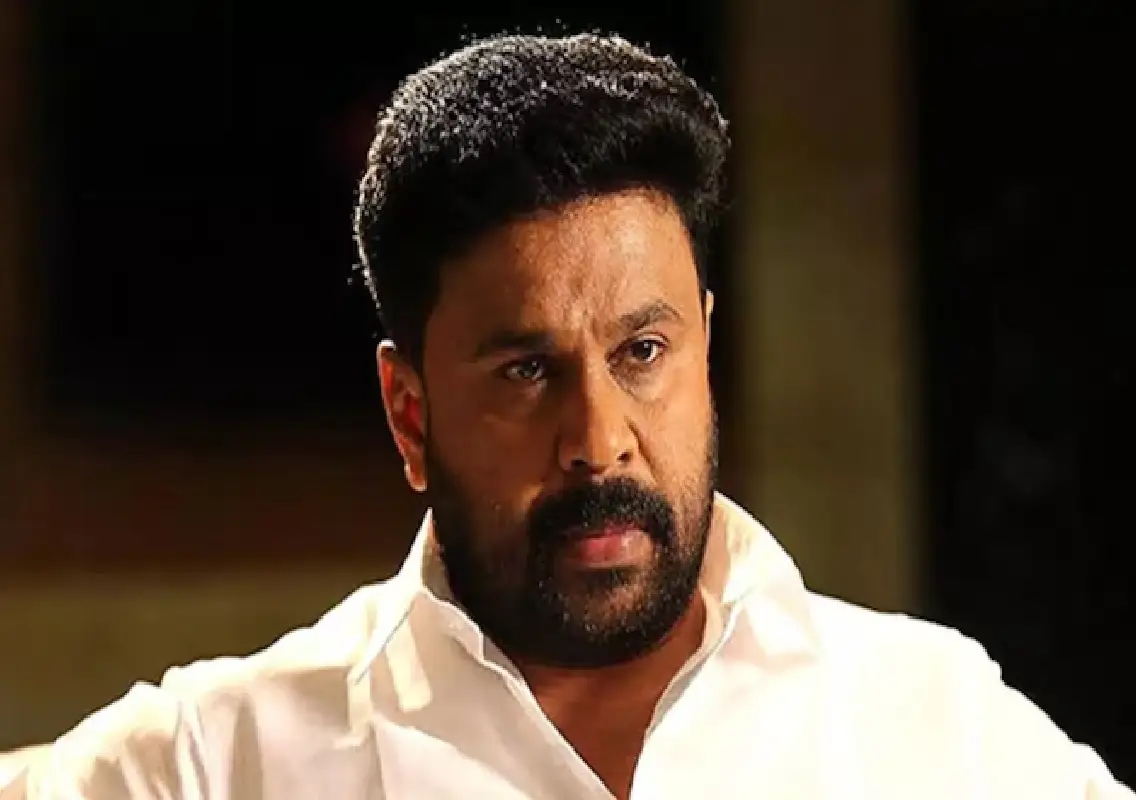


A churn is underway in the Malayalam film industry following actor Dileep’s acquittal on Monday, 8 December, in the 2017 abduction and assault case involving a female actor. The verdict has reopened a long-dormant door for one of Mollywood’s most polarising figures to re-enter the space he once dominated.
While the actor had been isolated for years, industry insiders admit his influence—constructed through a rare mix of stardom, production power, and organisational connections across AMMA, KFPA and FEFKA—never fully disappeared. Now, with the legal cloud lifted, signals from within the fraternity indicate a quiet recalibration, suggesting that a potential comeback is no longer implausible.
Yet the shadow of the case, especially the allegation that Dileep masterminded the conspiracy as retaliation linked to personal grievances involving his former wife Manju Warrier, continues to weigh heavily on the industry’s conscience. His fall had reshaped an entire ecosystem that once revolved around him. His rise again could have equally transformative consequences.
Support, silence and uncertainty over Dileep’s next move
AMMA has avoided making a detailed comment on the verdict but issued a brief, neutral Facebook statement: “Let the law take its course. AMMA respects the court.” The silence is notable, especially under a leadership headed by women—President Shwetha Menon and General Secretary Kukku Parameswaran—who have refrained from public reaction despite intense scrutiny of the judgement.
Other industry bodies have been more direct.
KFPA’s G Sureshkumar and B Rakesh stated that Dileep, having been acquitted, is free to return to the association. FEFKA’s B Unnikrishnan confirmed that they will convene soon to discuss the actor’s reinstatement.
The possibility of his comeback has thrust Mollywood into a moment of reckoning. Dileep’s peak years were marked by a parallel power network—informal yet widely acknowledged—built on loyalty, patronage and a strong family audience base that translated into electoral strength within industry bodies. His decisions could elevate or dismantle careers.
Insiders say that by the mid-2010s, he was not merely a star but a kingmaker whose approval could open doors, and whose displeasure could shut them. That culture was enabled by institutions that operated within his influence, echoing Bollywood’s historically opaque and patriarchal structures.
With the verdict now in his favour, the industry is preparing for what many describe as the most significant reset since his arrest.
Could Dileep attempt a swift return to Mollywood?
The question gripping the industry is whether Dileep will attempt an immediate re-entry or whether he will move cautiously, rebuilding support and alliances. Either path carries implications for Malayalam cinema’s evolving power balance.
Many remember his dramatic fall in 2017. In July that year, AMMA expelled him after an emergency meeting held at Mammootty’s Panampilly Nagar residence. The decision followed pressure from younger stars such as Prithviraj and Asif Ali, who demanded a firm ethical stand.
AMMA also expressed solidarity with the survivor, condemned internal statements made against her, and acknowledged the police and state government’s progress in the investigation. The meeting took place under heavy police presence, amid protests from youth groups condemning the organisation’s earlier silence.
Multiple associations followed suit. KFPA terminated his primary membership the same day. FEFKA, led then by Sibi Malayil, expelled him from its director’s union, though Dileep had begun his career as an assistant to filmmaker Kamal.
Attempts at reinstatement and Dileep’s own stance
By 2018, quiet talks of reinstatement had begun. At the time, Dileep released a detailed Facebook post stating that he had voluntarily resigned after discussions with AMMA president Mohanlal because he did not want the organisation to fracture over him. He also argued that only the general body had the authority to expel him, and that if his resignation were accepted, it must be treated as such—not as an expulsion.
He added that he would stay away from AMMA until he proved his innocence. With Monday’s acquittal, that vow, at least in his view, has been fulfilled.
His potential return could reshape the internal power equations of AMMA and redefine how influence functions within Malayalam cinema. It could also reopen old debates about accountability, institutional transparency and the evolving culture of the industry.
For now, Mollywood is waiting. Whether Dileep reclaims the space he once occupied—or chooses a more measured comeback—his next step will significantly determine the cultural and organisational mood of the Malayalam film fraternity in the coming years.