







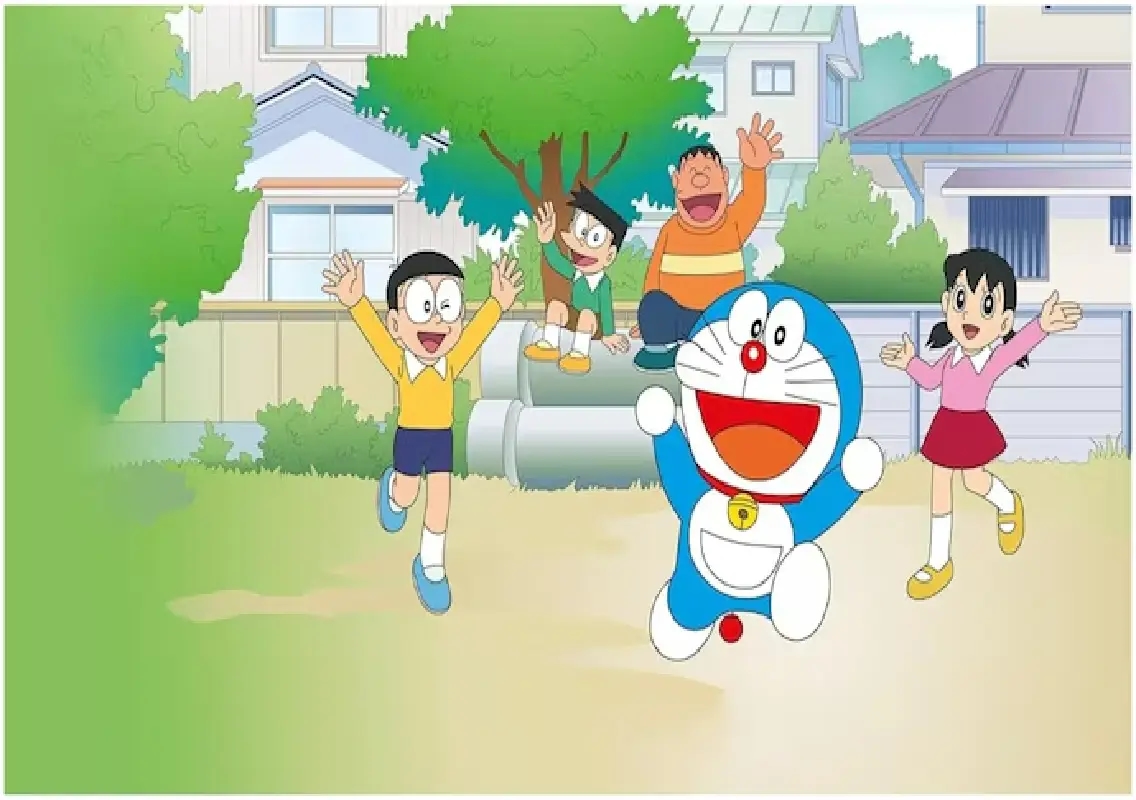


Jakarta: For generations of Indonesian viewers, Sunday mornings were inseparable from the cheerful presence of a blue robotic cat from the future. That long-standing ritual has now come to an abrupt end. After more than 30 years on air, the iconic Japanese anime Doraemon is no longer being broadcast on Rajawali Citra Televisi Indonesia (RCTI), signalling the close of a chapter that shaped childhood memories across the country.
Sudden absence from RCTI schedule
The popular series, which revolves around a robotic cat from the 22nd century who travels back in time to assist the accident-prone schoolboy Nobita Nobi, has been missing from RCTI’s programming lineup since the end of 2025. Viewers first noticed the absence in the final week of December, and by the first Sunday of January 2026, it became clear that Doraemon was no longer part of the channel’s regular broadcast schedule.
Despite the widespread attention the issue has generated, RCTI has so far not released any official explanation for dropping the show. The lack of clarity has only intensified speculation among fans, many of whom grew up associating the channel with Doraemon.
Fans flood social media with reactions
The anime’s disappearance has sparked a wave of nostalgia and disappointment online. Since Sunday, January 4, 2026, RCTI’s social media accounts have been inundated with comments from viewers urging the broadcaster to bring the show back.
On Instagram, fans repeatedly expressed their frustration and emotional attachment to the series. “Please re-air Doraemon on RCTI,” one user wrote, while another commented, “Since Doraemon stopped airing, RCTI isn’t exciting anymore.” A third viewer echoed a sentiment shared by many: “I watch RCTI only to see Doraemon. Please bring it back.”
These reactions highlight how deeply embedded the anime is in Indonesian popular culture, transcending age groups and continuing to resonate with both children and adults.
Schedule data fuels speculation
Adding to the discussion, the verified Instagram account Catatan Film shared details based on broadcast data. According to its post, Doraemon disappeared entirely from RCTI’s programme schedule between December 29, 2025, and January 4, 2026, as listed on the RCTI+ website. The account also noted that Doraemon feature films, once a frequent fixture during holidays, had become increasingly rare on the channel in recent months.
This information has fuelled speculation that the decision may be part of a broader shift in RCTI’s content strategy, although no confirmation has been provided by the broadcaster.
A cultural fixture since the 1990s
Doraemon first aired on Indonesian television in the early 1990s and quickly became a household staple. For many families, Sunday mornings at around 8 am were synonymous with Nobita’s misadventures, Gian and Suneo’s antics, and Doraemon’s seemingly endless pocket of futuristic gadgets.
Beyond its humour and fantasy, the show often conveyed moral lessons about friendship, honesty, responsibility and perseverance. These themes contributed to its enduring appeal and helped it maintain relevance across generations.
Parents who once watched the series as children frequently introduced it to their own sons and daughters, turning Doraemon into a shared family experience rather than just a children’s cartoon.
Online discourse and sense of loss
The show’s removal has also sparked broader conversations on platforms such as X. The account @indoPopBase posted that Doraemon had officially ended its run on RCTI after nearly four decades, capturing the collective sense of loss felt by long-time viewers.
Many users described the end of the broadcast as the loss of a comforting routine, while others questioned whether the anime might return on another channel or digital platform. Some fans speculated about licensing issues, changing viewer demographics or competition from streaming services as possible reasons behind the decision.
A global franchise with lasting appeal
Originally broadcast in Japan on TV Asahi in 1979, Doraemon has undergone multiple adaptations, including television series, feature films and merchandise. Its unique blend of science fiction, humour and relatable everyday struggles has enabled it to travel far beyond Japan’s borders.
In Indonesia, the anime’s influence extends into language, memes and popular references, underscoring its status as more than just entertainment. Even decades after its debut, Doraemon remains one of the most recognisable animated characters in the country.
Conclusion
While RCTI’s silence leaves questions unanswered, the reaction from viewers underscores the profound cultural impact Doraemon has had in Indonesia. Whether the series finds a new home on another platform or remains off-air, its legacy as a defining part of childhood for millions is firmly secured. For now, the disappearance of the blue robot cat from Sunday mornings marks the end of an era that many Indonesians will remember with deep nostalgia.