







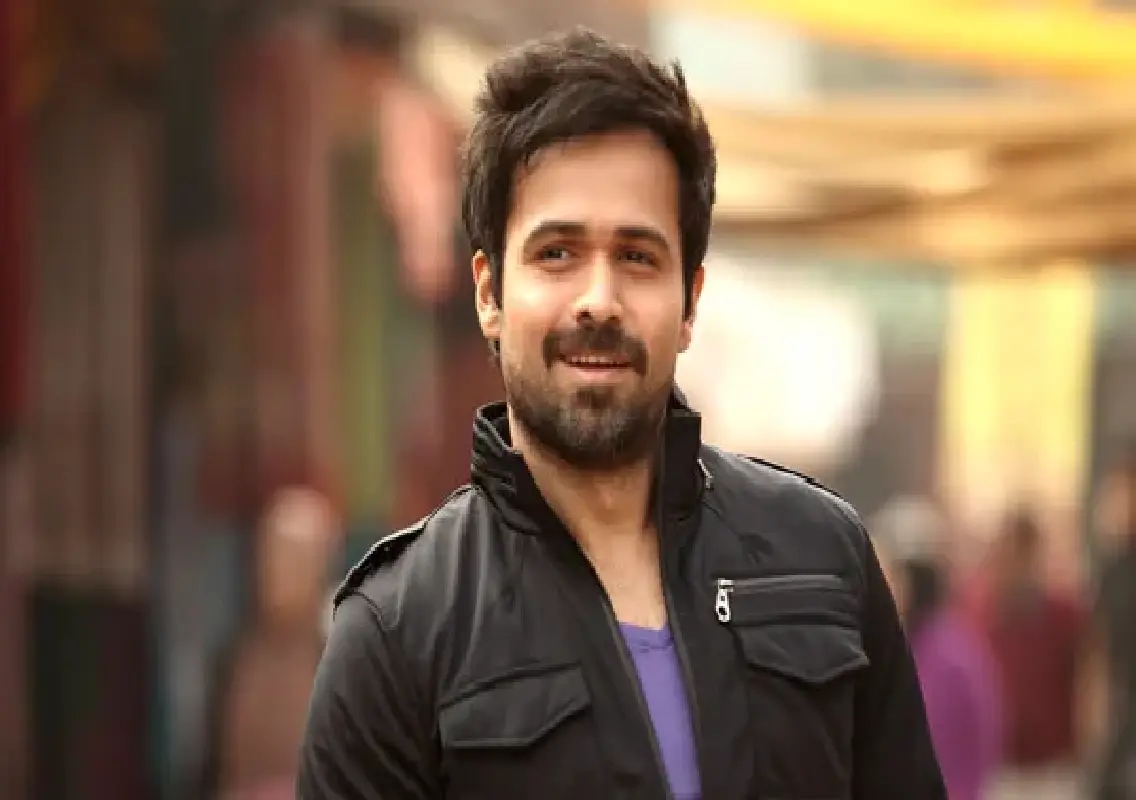


Mumbai: With Animal continuing to spark intense debate even as it posts record-breaking box office numbers, actor Emraan Hashmi has offered his candid perspective on hypermasculinity, “woke” criticism and the evolving tastes of Indian cinema audiences, arguing that mainstream films ultimately reflect what viewers are willing to buy tickets for.
“There is an uproar, but that’s what audiences are watching”
Speaking to News18 Showsha, Emraan addressed the polarising reactions to Animal, which drew sharp criticism for glorifying toxic masculinity even as it emerged as one of the biggest commercial successes in recent years.
“There’s a huge uproar because a woke culture has started off through social media and generally around the world,” the actor said. “The hypermasculine man who’s seen as toxic is what’s doing well in theatres. There’s an uproar surrounding it, but that’s what people are buying tickets for. That’s predominantly how our country is.”
According to Emraan, the backlash against Animal did little to dent its theatrical performance because a significant section of the audience identified with the film’s central character and themes. He suggested that online outrage often represents a vocal minority rather than the broader movie-going public.
Why Animal worked despite criticism
Reflecting on the film’s success, Emraan pointed out that the controversy itself highlighted a disconnect between critical discourse and popular sentiment.
“Why did a film like Animal work?” he asked. “Yes, there was a woke brigade working against it. There was a perception to that. But there were so many men identifying with it.”
He argued that the enduring appeal of hypermasculine protagonists cannot be ignored, especially in a country as diverse and layered as India. For Emraan, the box office verdict remains a crucial indicator of audience preferences, regardless of ideological debates playing out on social media.
Space for women-led narratives, but hurdles remain
While acknowledging the dominance of male-centric stories in mainstream cinema, Emraan stressed that there is also a need—and space—for more women-led films, even though they often face structural and commercial challenges.
“There’s also a space for women-centric films, though not many at this point,” he said. “I would like to see more women-centric films being made, but it’s easier said than done.”
He noted that financiers and producers are often hesitant to back such projects, citing perceived risks and limited box office pull, despite the critical acclaim many women-driven films receive.
Calling out insecurity within the industry
Drawing from his own career, Emraan spoke about what he described as deep-rooted insecurities among male actors in the Hindi film industry. He cited examples of films he chose that went against conventional narratives of male dominance and triumph.
“Men in our industry are very insecure,” he said. “How many people would have done a film like Haq? Every narrative should showcase a man’s victory.”
Clarifying that he was not self-aggrandising, Emraan pointed to The Dirty Picture as another example of a project that challenged traditional power dynamics. “I’m not blowing my own trumpet here. But even back then, I did a film like The Dirty Picture. I liked the subject,” he said.
He added that more actors need to move beyond ego and image concerns to explore layered, unconventional roles, even if they do not fit the standard heroic mould.
Cinema follows cycles, says Emraan
Emraan also placed the current trend of hypermasculine cinema within a broader historical context, arguing that such portrayals have always found favour with audiences.
“We need to get off our insecurities and do more stuff like that,” he said. “But it’s very clear what’s happening today, cinematically. As far as things are going theatrically, you need a hypermasculine man, a villain, the tropes, the clichés. It’s very evident that it’s what the audience wants.”
He pointed out that similar patterns existed in earlier decades of Hindi cinema. “This kind of portrayal has always worked. In the 70s and the 80s, the hypermasculine era of Amitabh Bachchan and Vinod Khanna gave us films like Deewar and Trishul that worked,” Emraan said, suggesting that contemporary films are simply echoing long-established cinematic traditions.
Balancing commerce and conscience
Emraan’s comments underline the complex balance filmmakers must strike between commercial viability and social responsibility. While acknowledging concerns around toxic masculinity, he implied that cinema alone cannot be expected to lead social change if audience demand tells a different story.
At the same time, his remarks about insecurity and the need for diverse narratives indicate that he believes the industry can evolve—provided its stakeholders are willing to take creative risks.
What’s next for Emraan Hashmi
On the professional front, Emraan Hashmi is set to appear next in Netflix’s upcoming web series Taskaree. The project marks another step in his continued exploration of varied formats and subjects beyond mainstream theatrical releases.
Conclusion
Emraan Hashmi’s take on the Animal debate reflects a pragmatic reading of Indian cinema’s current landscape—one where box office success often outweighs ideological criticism. While he recognises the need for more inclusive and women-centric storytelling, he also argues that mainstream cinema ultimately mirrors audience appetite, which, for now, continues to favour hypermasculine narratives.