









New York: Fifteen years after its debut, Game of Thrones remains one of the most influential television series ever made, redefining storytelling norms with its unapologetic use of violence, sexuality and political intrigue.
Premiering on April 17, 2011, on HBO, the eight-season epic—based on George R. R. Martin’s A Song of Ice and Fire novels—pushed boundaries and transformed audience expectations from mainstream TV.
A brutal world where no character was safe
From its very first season, the series established a ruthless narrative tone. Showrunners David Benioff and D. B. Weiss made it clear that traditional storytelling rules would not apply.
The shocking execution of Ned Stark, played by Sean Bean, in Season 1 set the precedent—no character, no matter how central, was safe.
Moments like the infamous Red Wedding, which saw the brutal deaths of key characters including Robb Stark (Richard Madden), redefined shock value on television. Similarly, Oberyn Martell’s gruesome death (Pedro Pascal) and Arya Stark’s revenge arc (Maisie Williams) pushed the boundaries of on-screen violence.
‘Sexposition’ and controversy
Alongside graphic violence, Game of Thrones became equally known for its explicit sexual content—often referred to as “sexposition”, where exposition was delivered alongside intimate scenes.
Characters like Daenerys Targaryen (Emilia Clarke), Jon Snow (Kit Harington), and Cersei Lannister (Lena Headey) were central to storylines that blurred the lines between power, consent and manipulation.
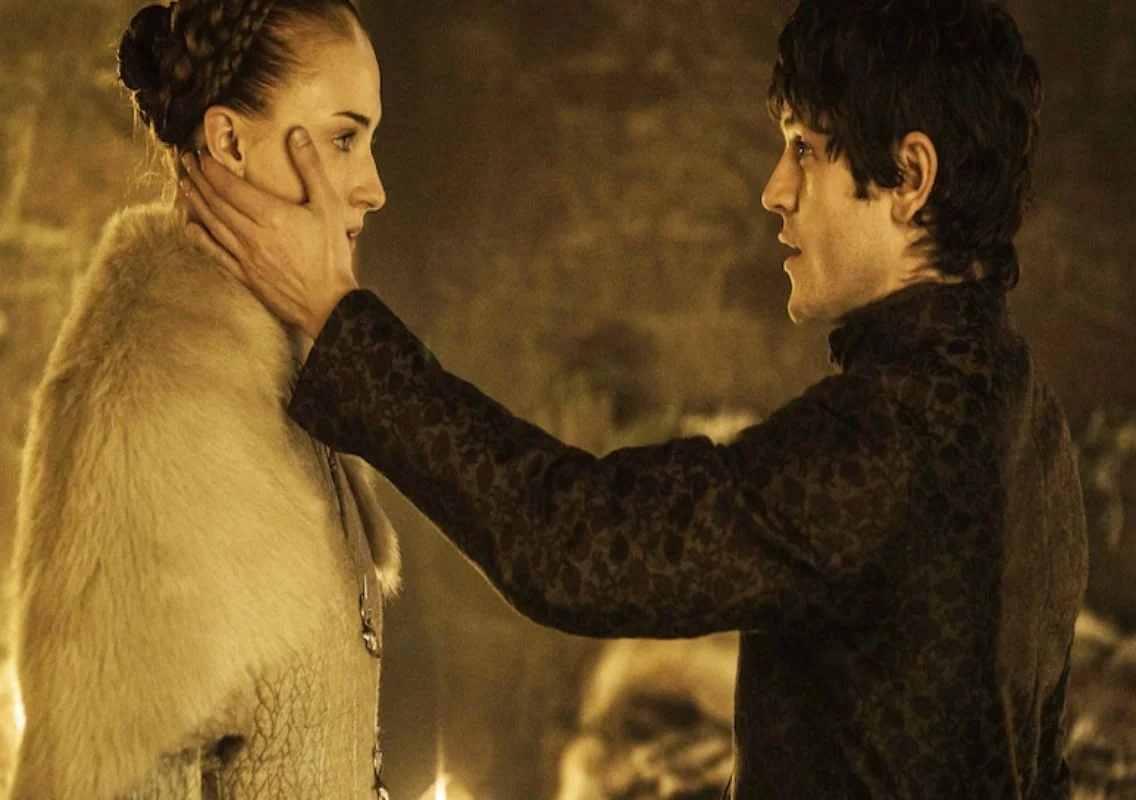
Several scenes sparked global debate, particularly those involving sexual violence or controversial relationships. The show frequently deviated from the books, intensifying such elements for dramatic impact.
While these choices drew massive viewership, they also attracted criticism for sensationalism and for using trauma as a narrative device.
Cultural impact and legacy
Despite the controversies, Game of Thrones fundamentally altered the television landscape. Its cinematic scale, morally complex characters, and willingness to embrace darkness paved the way for a new era of prestige television.
The series influenced successors such as The Witcher and The Wheel of Time, as well as its own prequel House of the Dragon.
By its later seasons, changing cultural conversations—particularly movements like #MeToo—led to a noticeable reduction in explicit content, reflecting shifting audience sensitivities.
Conclusion
Fifteen years on, Game of Thrones continues to spark debate over its use of sex and violence as storytelling tools. Whether viewed as groundbreaking or excessive, its impact on global television is undeniable—forever changing how stories are told on the small screen.