







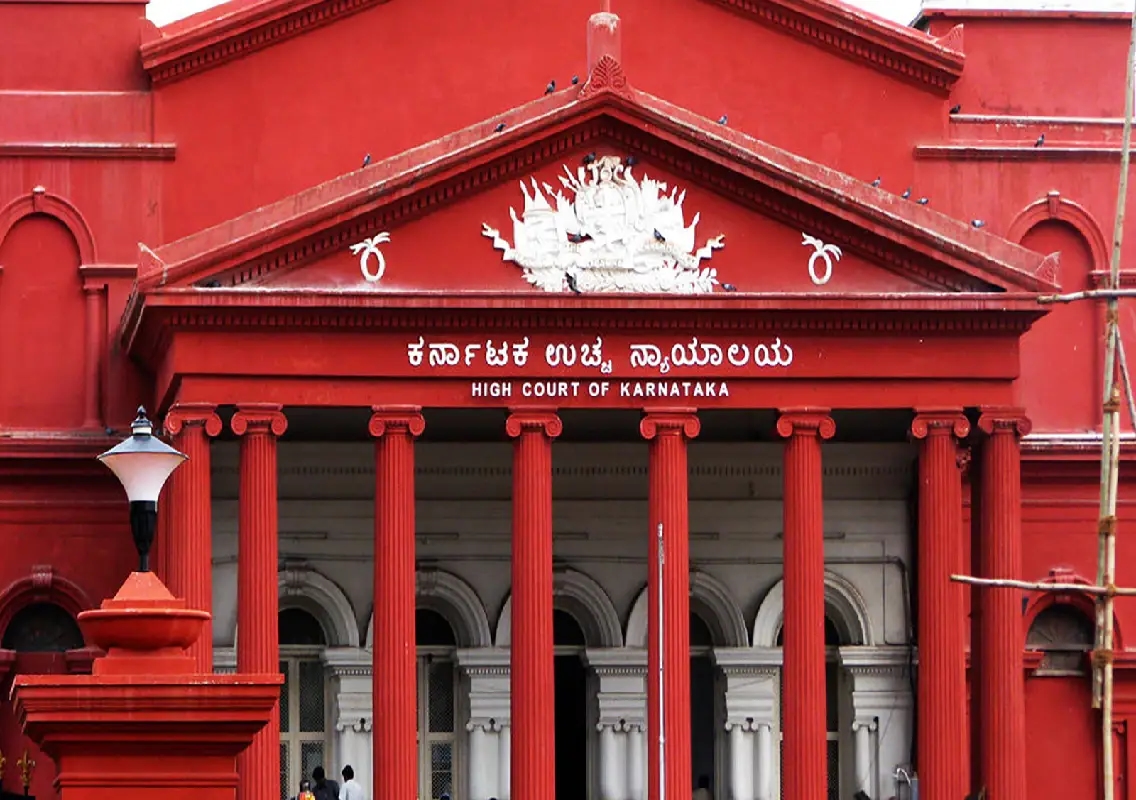


Bengaluru: The Karnataka High Court has expressed strong displeasure over alleged derogatory remarks made about Hindu deities in the popular Kannada comedy show Comedy Khiladigalu, aired on Zee Kannada. The court sharply questioned the limits of humour and freedom of speech, observing that insensitive content cannot be justified merely in the name of entertainment.
The observations came while the court was hearing a petition filed by K. Anil Kumar, one of the organisers associated with the show, seeking the quashing of a police complaint registered against him. The complaint alleges that certain episodes of Comedy Khiladigalu contained indecent and offensive jokes targeting Hindu deities, thereby hurting religious sentiments.
Complaint filed over alleged insult to deities
The case originates from a complaint lodged by Prashant Shashidhar Naragund, a resident of Hubballi, at the Subramanyapura police station in Bengaluru. According to the complainant, the show included objectionable references and jokes involving Hindu mythological figures such as Lord Krishna, Draupadi and King Dhritarashtra.
The complaint claims that the language used in the skits was not only inappropriate but also embarrassing and disrespectful, crossing the boundaries of satire and humour. It further alleged that such content had the potential to hurt the religious sentiments of a large section of viewers who hold these figures in deep reverence.
Based on the complaint, the police registered a case and initiated an investigation, prompting the show’s organiser to approach the High Court for relief.
Court questions misuse of humour and free speech
A bench of the Karnataka High Court, while taking up the matter, made strong oral observations questioning whether “anything can happen in this country in the name of humour and freedom of speech.” The judges remarked that freedom of expression is not absolute and comes with reasonable restrictions, especially when it concerns religious beliefs and sentiments.
The court went on to comment that such incidents occur because “courts are too liberal,” adding that if the judiciary were stricter in dealing with such cases, the situation might be different. These remarks underline the court’s concern over what it sees as a growing trend of crossing ethical and cultural boundaries in the pursuit of entertainment and viewership ratings.
Organiser seeks quashing of FIR
Representing the petitioner, counsel argued that Comedy Khiladigalu is a scripted comedy programme meant purely for entertainment and that there was no deliberate intention to insult any religion or deity. The defence maintained that the skits should be viewed in the context of humour and creative expression, and that criminal proceedings would have a chilling effect on artistic freedom.
The petitioner sought the quashing of the First Information Report (FIR), contending that the allegations were exaggerated and did not warrant criminal prosecution. It was also argued that comedy shows often rely on exaggeration and parody, which should not be interpreted literally.
However, the court appeared unconvinced by these arguments at this stage, noting that the complaint specifically alleged the use of words and references that were “embarrassing to read” and prima facie offensive.
Interim protection from arrest
After hearing submissions from both sides, the High Court adjourned the matter for further consideration. While doing so, the bench directed the accused petitioner to fully cooperate with the ongoing police investigation.
At the same time, the court provided interim relief by instructing the police not to arrest the petitioner under the pretext of investigation. This direction offers temporary protection while ensuring that the investigative process is not hindered.
Popular show under scrutiny
Comedy Khiladigalu is one of the most popular comedy reality shows on Kannada television and enjoys a wide viewership across Karnataka. For many viewers, it has become a staple of evening entertainment, offering a break from daily stress and routine.
The controversy, however, has sparked a broader debate on social media and among viewers about the responsibility of content creators and broadcasters. While some have defended the show, citing creative freedom, others have supported the court’s stance, arguing that humour should not come at the cost of religious disrespect.
Conclusion
The Karnataka High Court’s sharp remarks in the Comedy Khiladigalu case highlight the delicate balance between freedom of expression and respect for religious sentiments in India’s diverse society. As the investigation continues and the court examines the matter in detail, the case could set an important precedent for television content and the limits of humour. For now, the spotlight remains firmly on the show and its makers, as they navigate legal scrutiny amid public debate.