







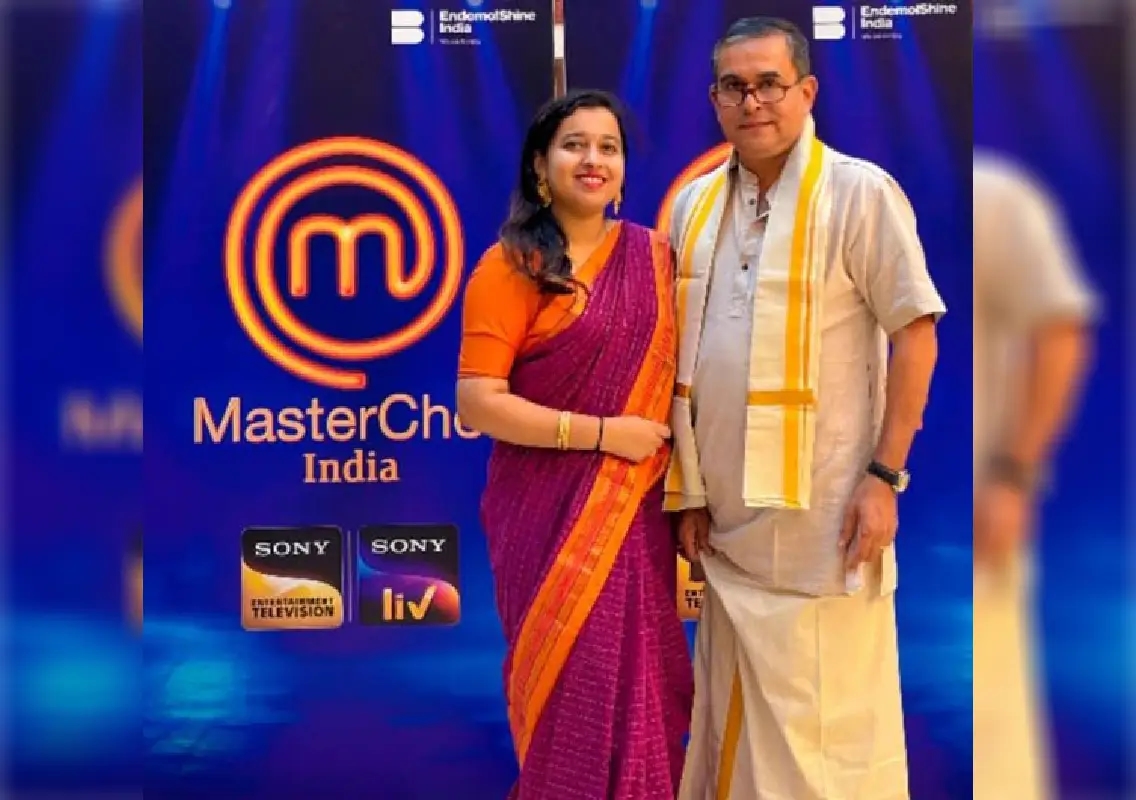


MasterChef India Season 10, which premiered nationwide on Sony Entertainment Television and SonyLIV on January 5, has brought rare coastal representation to the national culinary stage with the selection of a father-daughter duo from the Kasargod–Mangaluru region. Avani Sharma, 26, and her father Venu Sharma are the only contestants chosen from the entire states of Karnataka and Kerala this season, a distinction that has generated pride and excitement across the coastal belt.
Unique regional representation on a national platform
The participation of Avani and Venu Sharma is being seen as a significant moment for the Karada Brahmin community, a small but culturally rich group that migrated from Maharashtra nearly 600 years ago and is now settled largely across Kasargod in Kerala and parts of coastal Karnataka, including Mangaluru. With a population estimated at around 15,000, the community rarely finds representation on national television platforms, making the duo’s selection particularly noteworthy.
MasterChef India Season 10, themed as a “Jodi” season, focuses on partnerships and shared culinary journeys. Against this backdrop, the father-daughter pairing stands out not just for their familial bond, but also for their intent to highlight traditional vegetarian cuisine rooted in regional practices and ancestral wisdom.
Avani Sharma’s culinary journey
Avani Sharma, originally from Kudkuli near the coastal belt, is a well-known name among food enthusiasts across India. A food stylist, artist, art director and teacher by profession, she is currently based in Bengaluru with her husband. Over the years, she has built a strong digital presence through her popular social media platform, Karada Spice Box, which documents traditional Karada Brahmin recipes, indigenous ingredients and visually rich food styling.
Through her work, Avani has consistently advocated the preservation of lesser-known vegetarian recipes, many of which rely on seasonal produce, millets and time-tested cooking techniques. Her entry into MasterChef India is being viewed as an extension of this mission, offering her an opportunity to take regional flavours to a much wider audience.
“Our main motto is to showcase authentic Karada cuisine and traditional Indian vegetarian dishes on an international platform,” Avani said, expressing her enthusiasm about representing her roots on one of India’s most-watched culinary shows.
A proud partnership with her father
Accompanying Avani on the MasterChef journey is her father Venu Sharma, a management consultant by profession. While not a professional chef, Venu brings with him lived experience, family traditions and an emotional connect to the food of his community. Their collaboration reflects a blend of modern culinary presentation and generational knowledge passed down within the family.
“I am getting name and recognition through my daughter’s cooking skills. It is a moment of pride for our family and community,” Venu Sharma said, underscoring the emotional significance of sharing the MasterChef kitchen with his daughter.
Their relationship on the show is expected to resonate with viewers, especially in a season that celebrates partnerships, trust and shared dreams.
Growing buzz and audience interest
Promotional videos and trailers featuring the duo have been circulating on Sony’s social media platforms for the past two weeks, sparking curiosity among viewers. Audiences from the coastal regions of Karnataka and Kerala, in particular, have expressed excitement at seeing familiar surnames, food references and cultural cues represented on national television.
The Kasargod–Mangaluru belt is known for its unique culinary traditions, influenced by geography, climate and centuries of cultural exchange. However, many of these traditions remain underrepresented in mainstream food media. The presence of Avani and Venu Sharma is therefore seen as an opportunity to bring these flavours into popular discourse.
Focus on Indian food heritage
MasterChef India Jodi Season 10 places a strong emphasis on Indian food heritage, with a special focus on millets, Ayurveda-based diets and the vast diversity of regional cuisines. The season aims to present Indian food not just as a collection of recipes, but as a holistic system rooted in health, sustainability and cultural identity.
In this context, the Karada Brahmin culinary tradition — which relies heavily on vegetarian cooking, local grains and balanced flavours — aligns closely with the show’s broader vision. The duo’s participation adds depth to the narrative of Indian cuisine as both ancient and adaptable.
A milestone for a small community
Out of India’s population of over 130 crore, the journey of a father-daughter pair from a small community of around 15,000 people to a national reality show has been described by many as a remarkable achievement. Beyond personal success, it symbolises visibility for communities and cuisines that often remain on the margins of mainstream representation.
Conclusion
As MasterChef India Season 10 unfolds, Avani and Venu Sharma’s journey is being keenly watched not just for culinary excellence, but for the stories they bring to the table. Their presence underscores the show’s commitment to celebrating India’s diverse food heritage and highlights how regional traditions, when given a platform, can find resonance across the country and beyond.