







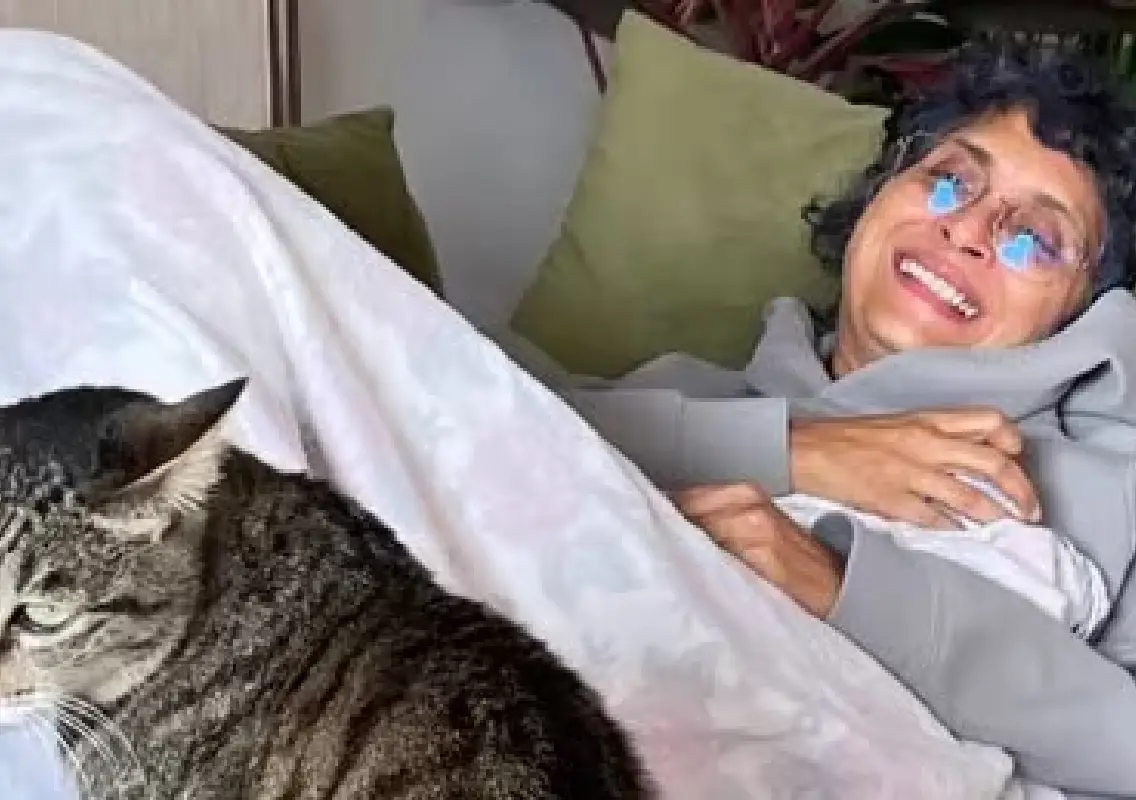


Filmmaker Kiran Rao has revealed that she is currently battling Chikungunya, describing how the viral infection has left her so weak that even holding a book feels impossible.
Chikungunya, caused by the chikungunya virus (CHIKV), is transmitted through bites of infected Aedes mosquitoes, primarily Aedes aegypti and Aedes albopictus. While fever may subside within days, the intense joint pain often lingers, sometimes for months.
Why joint pain is so severe
Medical research shows that once the virus enters the bloodstream, it targets synovial fibroblasts — connective tissue cells within joints. This triggers a strong immune response, leading to inflammation, swelling and stiffness.
Persistent arthralgia (joint pain) is considered the hallmark of the disease. In some patients, symptoms mimic rheumatoid arthritis, requiring prolonged physiotherapy and medical monitoring.
Rising burden in India
According to data from the National Center for Vector-Borne Disease Control, 2025 has seen a worrying rise in cases:
- Maharashtra: 43,784 suspected cases; 3,241 confirmed
- Karnataka: 45,242 suspected; 2,048 confirmed
- Telangana: 36,688 suspected; 674 confirmed
- Gujarat: 22,028 suspected; 241 confirmed
- Delhi: 2,812 suspected; 47 confirmed
Urban water stagnation and fluctuating climate patterns are contributing factors.
Prevention and recovery
Prevention focuses on eliminating stagnant water, using repellents during daytime (when Aedes mosquitoes are active), installing mesh screens and ensuring infected individuals use mosquito nets to prevent further spread.
There is no specific cure or vaccine. Treatment remains supportive — hydration, paracetamol for fever and gentle joint exercises once acute symptoms ease. NSAIDs should be avoided until dengue is ruled out.
Rao’s experience underscores a broader public health reminder: vigilance against mosquito breeding is essential, particularly in high-burden states like Maharashtra and Karnataka.