







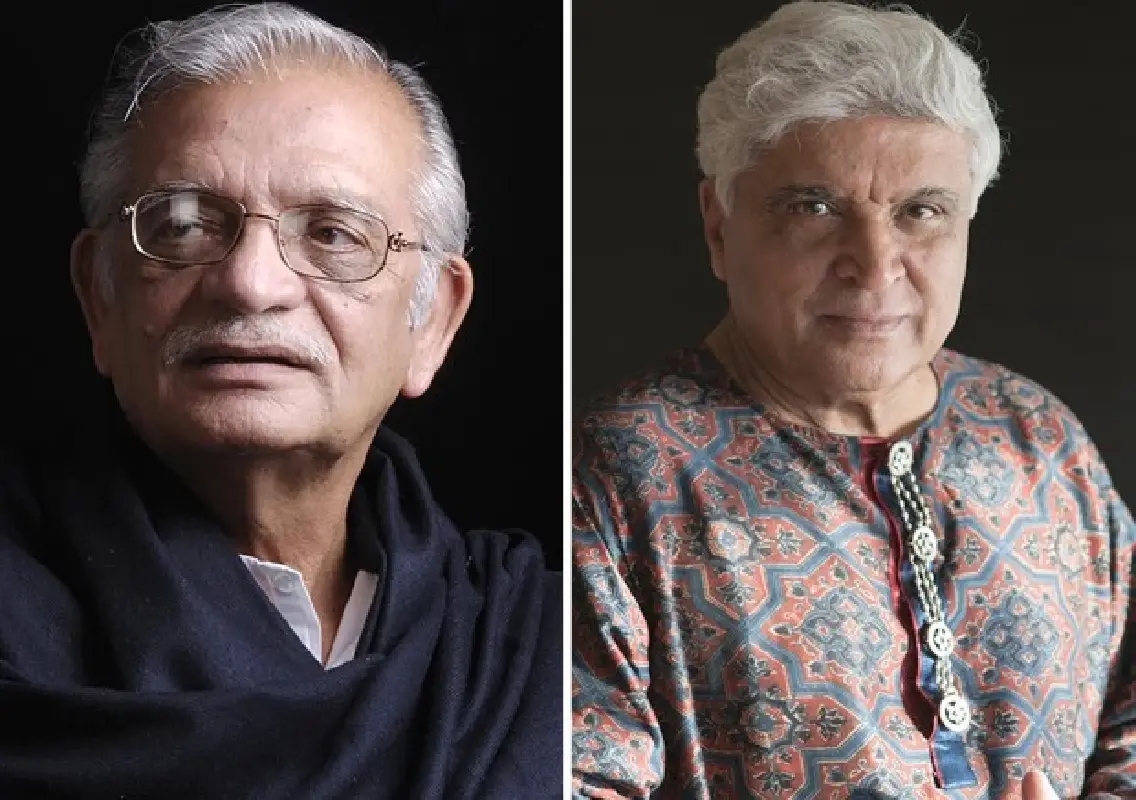


Mumbai: Veteran lyricists including Gulzar and Javed Akhtar have voiced strong concerns over the growing vulgarity and decline in lyrical quality in contemporary film music.
As debates intensify over changing trends in the music industry, several prominent voices have criticised what they describe as a shift away from meaningful, poetic expression towards attention-grabbing and often explicit content.
Gulzar stresses loss of aesthetic values
Gulzar, known for his poetic depth and nuanced storytelling, said he is not closely familiar with modern songwriting styles but expressed concern over the erosion of traditional values in lyrics.
He emphasised that earlier generations of lyricists adhered to clear principles, avoiding vulgarity, double meanings, and disrespect towards individuals or communities.
According to him, the current trend appears to prioritise instant attention over artistic integrity, reflecting a broader shift in creative priorities.
Javed Akhtar criticises explicit content
Javed Akhtar took a more direct stance, criticising what he described as increasingly explicit and inappropriate lyrics in recent songs.
Referring to a track from the Kannada film KD: The Devil, he said the lyrics had crossed acceptable boundaries of decency.
Akhtar also recalled turning down work on Kuch Kuch Hota Hai due to discomfort with its title, underscoring his long-standing commitment to maintaining dignity in his writing.
Concerns over changing trends
Lyricist Swanand Kirkire offered a more balanced perspective, acknowledging that while artistic expression evolves, certain emerging trends are troubling.
He pointed to the rise of hyper-masculine themes in songs, which, he said, often portray women in a diminishing or disrespectful manner.
At the same time, he clarified that he is not opposed to sensuality in art, noting that classical poetry has historically explored such themes with sensitivity and grace.
Call for responsibility in creative fields
Echoing similar concerns, Manoj Muntashir stressed that poetry and songwriting should not descend into vulgarity or disrespect.
He highlighted the pressure within the industry to produce commercially successful “chartbusters,” which can sometimes lead creators to compromise on values.
Muntashir urged filmmakers, lyricists, and musicians to recognise their responsibility towards society, stating that the content produced today plays a role in shaping cultural values for future generations.
Debate over art and commerce
The remarks from leading lyricists have reignited the ongoing debate between artistic integrity and commercial success in the music industry.
While evolving tastes and digital platforms have transformed how music is created and consumed, critics argue that the pursuit of virality and mass appeal should not come at the cost of cultural sensitivity and artistic quality.
Supporters of modern trends, however, often contend that changing audience preferences and creative freedom must also be respected.
Conclusion
The concerns raised by veteran lyricists underline a broader cultural conversation about the direction of contemporary music. As the industry continues to evolve, the balance between creativity, responsibility, and commercial success remains a key challenge for artists and stakeholders alike.