







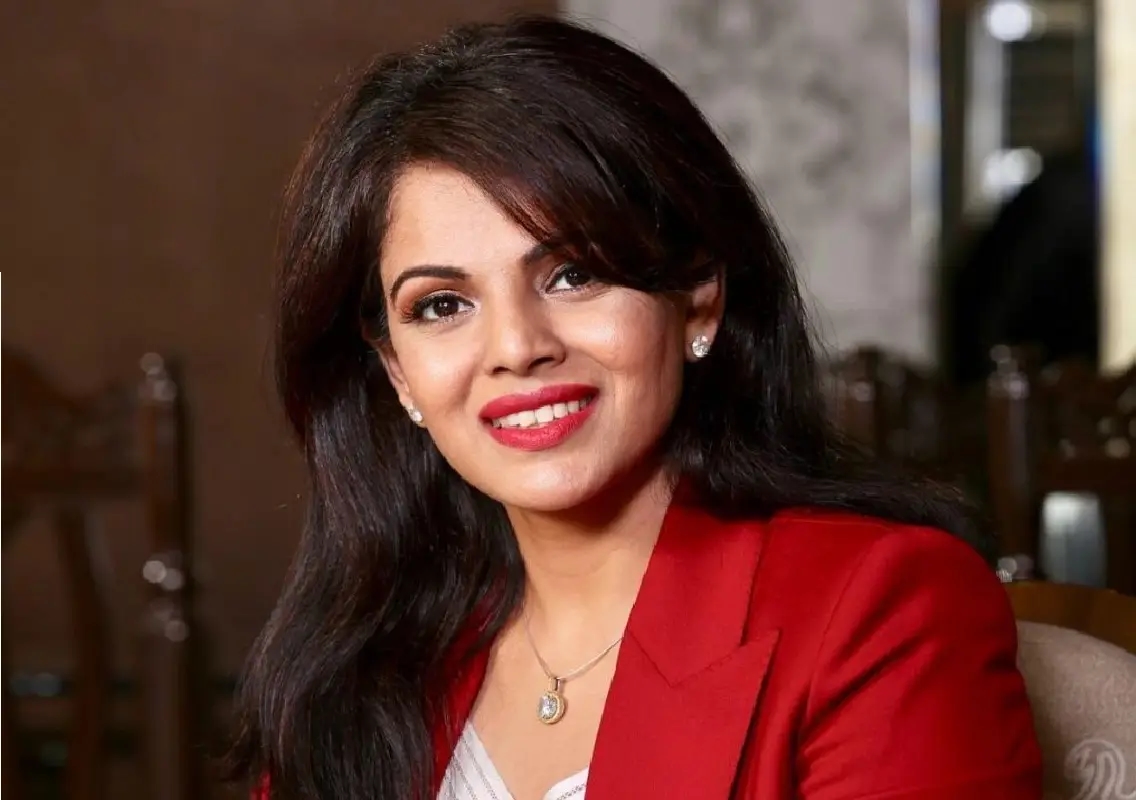


Mumbai: Entrepreneur and Shark Tank India judge Namita Thapar has sparked a conversation around modern parenting by urging women to reject the long-standing portrayal of the endlessly sacrificing mother. Criticising Bollywood for glorifying what she described as the “Meena Kumari-style” mother—defined by silence, suffering and self-denial—Thapar encouraged women to proudly embrace the idea of being “selfish moms” who prioritise their own happiness and fulfilment alongside their children’s well-being.
Questioning Bollywood’s portrayal of motherhood
For decades, Indian cinema has often celebrated mothers who put everyone else’s needs above their own, portraying sacrifice as the ultimate marker of good parenting. In a January 4 Instagram post, Namita Thapar strongly pushed back against this narrative. She wrote that Bollywood has for too long romanticised images of mothers steeped in “sacrifices, silence, selflessness and tears,” only to be applauded with remarks like “wah kya mahaan maa ho aap” (wow, what a great mother you are).
Calling this glorification deeply flawed, Thapar described it as a “crock of bull***,” urging women to rethink the belief that suffering equates to good motherhood. Her comments resonated with many working and non-working mothers who feel burdened by unrealistic societal expectations.
Fulfilled mothers raise happier children
Addressing women directly, Thapar emphasised that a mother’s happiness is not optional but essential. “Girls, wake up. You can make your kids happy only when you are fulfilled and happy,” she wrote, adding that the so-called “selfish mom” label should be seen as positive rather than shameful.
According to her, children learn critical life lessons by observing how their mothers treat themselves. When mothers value their own time, dreams and emotional well-being, they model self-respect and confidence for their children. Thapar warned that constantly putting oneself last—especially in the face of ridicule disguised as humour—can do more harm than good.
Teaching respect through self-worth
Namita Thapar argued that mothers play a key role in shaping how the next generation views women. “You can only teach them to respect women when you speak up for yourself,” she noted. She cautioned against giving up personal ambitions, staying silent when wronged or becoming overly controlling parents.
She also criticised helicopter parenting, suggesting that excessive involvement can hinder a child’s independence. In her view, constantly hovering over children deprives them of opportunities to learn resilience, accountability and problem-solving.
Letting go as children grow
Outlining her parenting philosophy, Thapar advocated a gradual shift in a mother’s role as children grow older. She suggested that once children turn 10, parents should begin stepping back and allow them to face real-life experiences on their own.
“Let the university of life take over,” she said, encouraging parents to let children make decisions and learn through mistakes. Thapar stressed that her goal is to raise “humble, independent kids who understand gender equality,” rather than overly pampered children who grow up dependent and entitled.
She specifically spoke against raising the stereotypical “maa ka ladla”—a son excessively doted on by his mother—who later becomes a difficult partner in adulthood.
Presence without overprotection
While advocating detachment, Thapar was careful to clarify that stepping back does not mean emotional absence. She emphasised that mothers should remain a safe and happy space for their children, especially during times of emotional distress or crisis.
Her approach balances independence with emotional security, encouraging children to explore life freely while knowing they have unwavering support when they truly need it.
Personal declaration for 2026
Towards the end of her post, Thapar made a deeply personal declaration, stating that 2026 would be a year focused on herself and her needs. “If someone wants my time and love, earn it,” she wrote, adding that she had already given enough to the world and her children.
Referencing a famous Bollywood line, she concluded on a note of self-empowerment: “Ab Simran… ja jee le apni zindagi” (Now, Simran, go live your life). She also credited books such as The Self-Driven Child and The Courage to Be Disliked for shaping her outlook on parenting and personal growth.
Importance of mothers’ mental health
The conversation around “selfish motherhood” also ties into broader discussions on maternal mental health. In a July 2025 interview, psychiatrist Dr Tonmoy Sharma highlighted that a mother’s mental health is central, not secondary, regardless of whether she is working, a homemaker or a single parent.
He pointed out that many mothers carry an invisible emotional burden marked by guilt, perfectionism and burnout. According to Dr Sharma, setting boundaries, sharing responsibilities, building support systems and accepting that “good enough” parenting is enough are crucial steps towards emotional well-being.
Conclusion
Namita Thapar’s remarks challenge deeply ingrained cultural narratives around motherhood in India. By encouraging women to prioritise themselves without guilt, she reframes self-care as an essential part of good parenting rather than a selfish act. Her message underscores a growing shift towards more balanced, emotionally healthy approaches to raising children in modern India.