









Hyderabad: Nani’s upcoming Telugu film The Paradise is taking an unusual route ahead of its September 24, 2026 theatrical release. While most big-budget films rely on a theatrical trailer to build anticipation and increasingly use the “pan-India” label to signal their wider ambitions, the makers of The Paradise have chosen to do neither.
At a recent press meet, Nani confirmed that the film will reach cinemas without a conventional theatrical trailer. The decision is not being presented as a publicity stunt. Instead, the actor explained that the team is prioritising the completion of the film over creating a trailer.
The film already has a teaser and songs that have generated interest, but audiences will not get the customary extended preview before deciding whether to watch it in theatres.
Why The Paradise will not have a trailer
A theatrical trailer can take considerable time and coordination, particularly for a large production involving extensive post-production work. For The Paradise, the team is currently focused on completing the final version of the film.
According to Nani, preparing a trailer in the manner the team wants would require director Srikanth Odela, composer Anirudh Ravichander and other key members of the production to spend several days away from the final stages of the movie.
The team ultimately decided that finishing the film was more important than creating another marketing asset.
That choice is unusual in an industry where trailers have become a central part of a film’s promotional campaign. The conventional trailer typically introduces the characters, establishes the world, showcases the performances and gives audiences a clearer idea of the story and genre.
The Paradise will instead ask audiences to enter the theatre knowing comparatively less.
The film does have a teaser, along with songs including Aaya Sher and Yeshanagula, which have kept it in the public conversation. However, the makers have stopped short of providing the fuller glimpse that audiences generally expect before a major theatrical release.
The growing importance of film trailers
Trailers have long played an important role in the relationship between films and their audiences. For viewers, they can provide the final information needed before spending money on a cinema ticket. For studios and distributors, they are among the most visible tools for communicating a film’s scale, genre and appeal.
A successful trailer can create anticipation well before release. It can also establish a film’s visual identity and introduce audiences to characters they may not previously know.
At the same time, modern trailers have become increasingly detailed. Audiences often pause and replay them, examine individual frames and discuss dialogue and story details online. Social media has turned trailer launches into events in themselves.
That approach can sometimes mean that viewers enter a film knowing much more than filmmakers originally intended. Major moments can be discussed, analysed and even predicted before the movie reaches theatres.
The Paradise is taking the opposite approach by keeping the amount of pre-release footage limited.
Whether that strategy benefits the film will ultimately depend on how audiences respond after its release.
Nani and Srikanth Odela reunite
The curiosity surrounding The Paradise is also connected to the reunion of Nani and Srikanth Odela.
The actor and director previously collaborated on Dasara in 2023. That film established a distinctive visual and emotional identity and became an important collaboration in Nani’s recent career.
Their second project is therefore carrying expectations even without a conventional trailer.
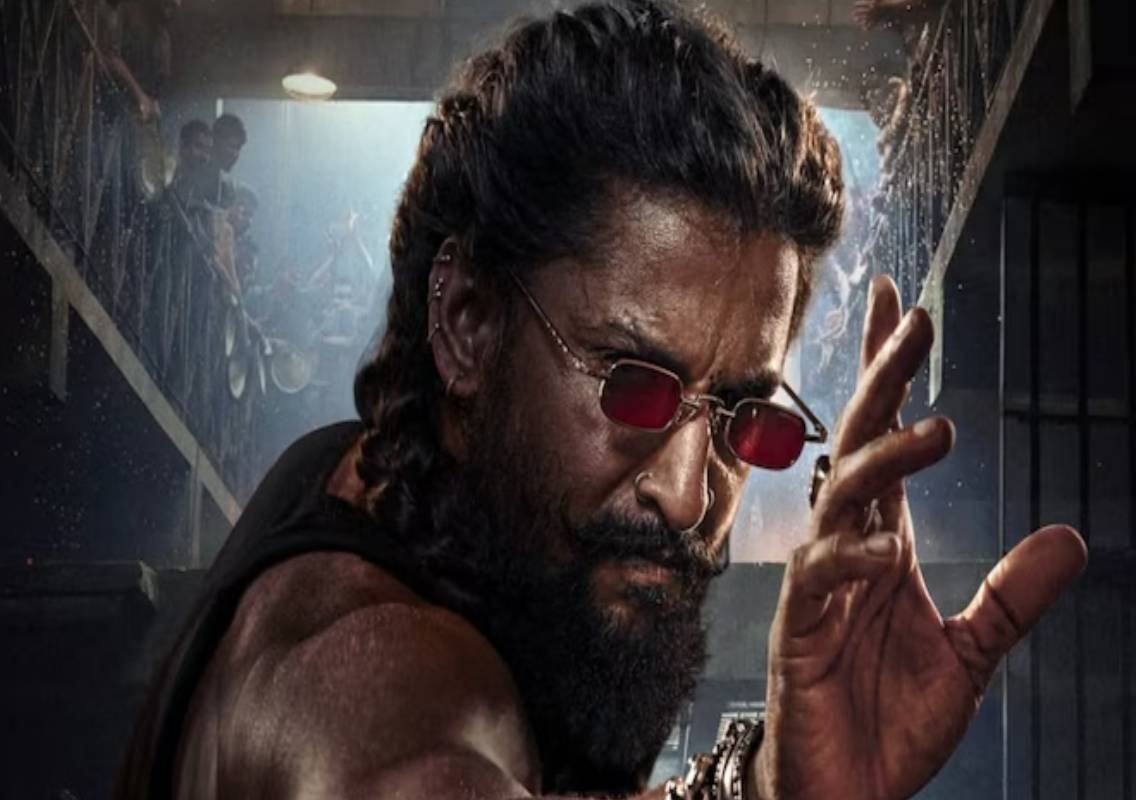
The teaser has already suggested that The Paradise will explore a darker and more intense world. Set in 1980s Secunderabad, the film features Nani as Jadal, a character from an oppressed community who confronts a system that has denied his people dignity.
Yet Nani has also described the film as a “beautiful mother-son story”.
The contrast between the intense imagery seen in the promotional material and the emotional description of the story adds another layer of curiosity.
Why Nani is avoiding the pan-India label
The film’s marketing strategy is unusual in another way. Although The Paradise is being released in multiple languages, Nani has indicated that he does not want the film to be described as a “pan-India” movie.
Telugu remains the primary focus, while audiences watching the film in other languages are being welcomed without the production positioning itself around the pan-India tag.
The distinction comes at a time when “pan-India” has become a familiar part of Indian film marketing. The term is often used to communicate that a movie is intended to reach audiences across several language markets.
For The Paradise, however, the emphasis appears to be on making the Telugu film first and allowing audiences elsewhere to discover it rather than building the project around a label.
This approach does not mean the film is limiting its release to Telugu-speaking audiences. Instead, it reflects a difference in how the makers want the film to be positioned.
Two decisions built around restraint
The decision to skip a theatrical trailer and the decision not to lean on the pan-India label may initially appear unrelated. However, both reflect a similar approach to the film’s promotion.
The makers are choosing not to provide audiences with extensive information about the film before release. They are also avoiding a marketing label that has become common for large-scale Indian productions.
Instead, the film is being allowed to build anticipation through its teaser, music, cast, previous collaborations and the curiosity surrounding its story.
For audiences, that creates both an opportunity and a risk. Viewers who enjoy discovering a film without knowing too much may find the strategy appealing. Others may prefer a conventional trailer before deciding whether the movie is worth a theatrical visit.
Nani’s existing reputation and his collaboration with Odela may help generate curiosity, but neither can replace the information normally provided by a trailer for viewers who are unfamiliar with the project.
The real test begins on September 24
The experiment will ultimately be judged by audiences after The Paradise reaches theatres on September 24.
If the film connects with viewers, its promotional strategy could become an interesting example of how a major production can generate curiosity without revealing large portions of its story beforehand. If audiences find the lack of a trailer limiting, it could reinforce why the traditional format remains such an important part of film marketing.
For now, The Paradise is offering audiences something increasingly unusual: a major film that deliberately keeps much of itself hidden.
With Nani and Srikanth Odela returning after Dasara, the teaser and songs providing the initial glimpse, and the makers choosing to prioritise the final film over another promotional cut, the project is asking viewers to wait for the cinema rather than trying to recreate the entire experience before release.