







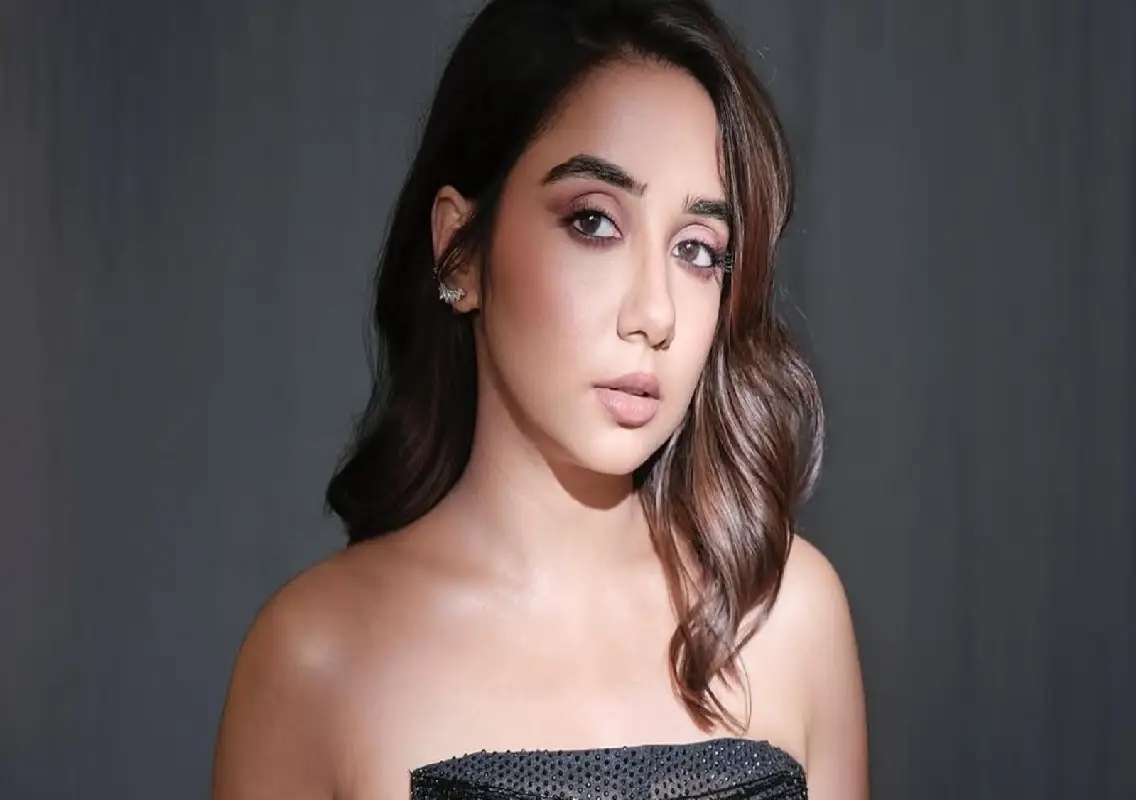


Mumbai: Prajakta Koli’s journey from being one of India’s most recognisable digital content creators to a mainstream actor has often been held up as an example of how social media platforms have democratised access to the entertainment industry. At the same time, her rise has placed her squarely in the middle of a larger and increasingly polarising debate within the film and OTT ecosystem — whether follower counts and online reach are beginning to outweigh acting ability in casting decisions.
Koli, who first became popular through her YouTube channel “MostlySane”, transitioned into acting with the Netflix series Mismatched. The show introduced her to a new audience beyond the digital space and opened doors to further opportunities, including a supporting role in the Hindi film Jugjugg Jeeyo. Most recently, she was seen in the web series Single Papa, where she tackled sensitive themes through a blend of humour and emotional depth.
The debate around creators entering mainstream acting
As more influencers and content creators cross over into films and web series, the casting process itself has come under scrutiny. Within industry circles and among audiences, there is a growing perception that an actor’s Instagram following or online engagement can sometimes carry more weight than formal training or acting experience. Critics argue that this trend risks reducing casting decisions to numerical metrics rather than creative merit.
This shift has also fuelled resentment among trained actors who have spent years honing their craft in theatre schools or acting workshops. Many feel sidelined by algorithms, viral popularity and brand value, especially in an industry where budgets can easily run into several crore rupees. The concern is not just about fairness, but about the long-term impact on storytelling and performance quality.
Prajakta Koli’s nuanced response
Prajakta Koli, however, approaches the debate with nuance rather than outright dismissal. Addressing the argument that social media popularity alone can secure acting projects, she pointed out that her own experience does not support that assumption.
“Honestly, if projects were handed out purely on the basis of follower count, I would’ve cracked every audition I’ve given. And I’ve given a lot of auditions over the last six years,” she said, reflecting on her career trajectory.
Koli emphasised that the entertainment industry ultimately functions as a business, one where financial stakes are high and decisions are rarely made lightly. “This is a business. There are many people involved, and huge amounts of money are at stake. No producer can afford to invest crores of rupees in someone who isn’t right for the role just because they have followers,” she added.
Auditions, workshops and preparation
Contrary to the belief that creators bypass traditional routes, Koli stressed that her acting assignments have come only after extensive preparation. According to her, every project she has been associated with involved rigorous auditions, workshops and rehearsals, similar to what is expected of actors without a digital background.
She explained that while online reach may help get an audition or open a conversation, it does not automatically translate into a role. “Every project I’ve been a part of has required rigorous auditions, workshops, and preparation,” she said, underscoring that sustained work ethic remains essential.
Acknowledging different lived experiences
At the same time, Koli refrained from dismissing the experiences of actors who feel disadvantaged by the growing emphasis on numbers. She acknowledged that for some performers, being rejected or overlooked because of follower counts is a lived reality.
“I can’t sit here and make a blanket statement saying it’s all untrue,” she said. “For those who’ve experienced being cast or rejected because of numbers, that reality is real for them. And you can’t take that away from their lived experience.”
Her response reflects an understanding that the industry is not monolithic and that casting practices can vary widely across projects, production houses and platforms.
Changing industry dynamics
The rise of OTT platforms has undeniably altered the landscape of Indian entertainment. With an explosion of content and a constant demand for fresh faces, producers are increasingly open to talent from non-traditional backgrounds, including social media. While this has created opportunities, it has also blurred the lines between marketing value and artistic merit.
Industry insiders point out that follower counts can sometimes influence casting decisions, especially for projects that rely heavily on youth appeal or digital-first audiences. However, sustained success often depends on performance, adaptability and audience acceptance over time.
Looking ahead
Prajakta Koli’s career sits at the intersection of these changing dynamics. Her transition from content creator to actor illustrates both the possibilities and the pressures that come with a digital-first identity. By acknowledging multiple perspectives, she adds a balanced voice to a debate that is often reduced to extremes.
As the entertainment industry continues to evolve, the conversation around merit, reach and opportunity is unlikely to fade. For now, Koli’s stance suggests that while numbers may open doors, it is preparation and performance that ultimately determine how long one stays inside.