







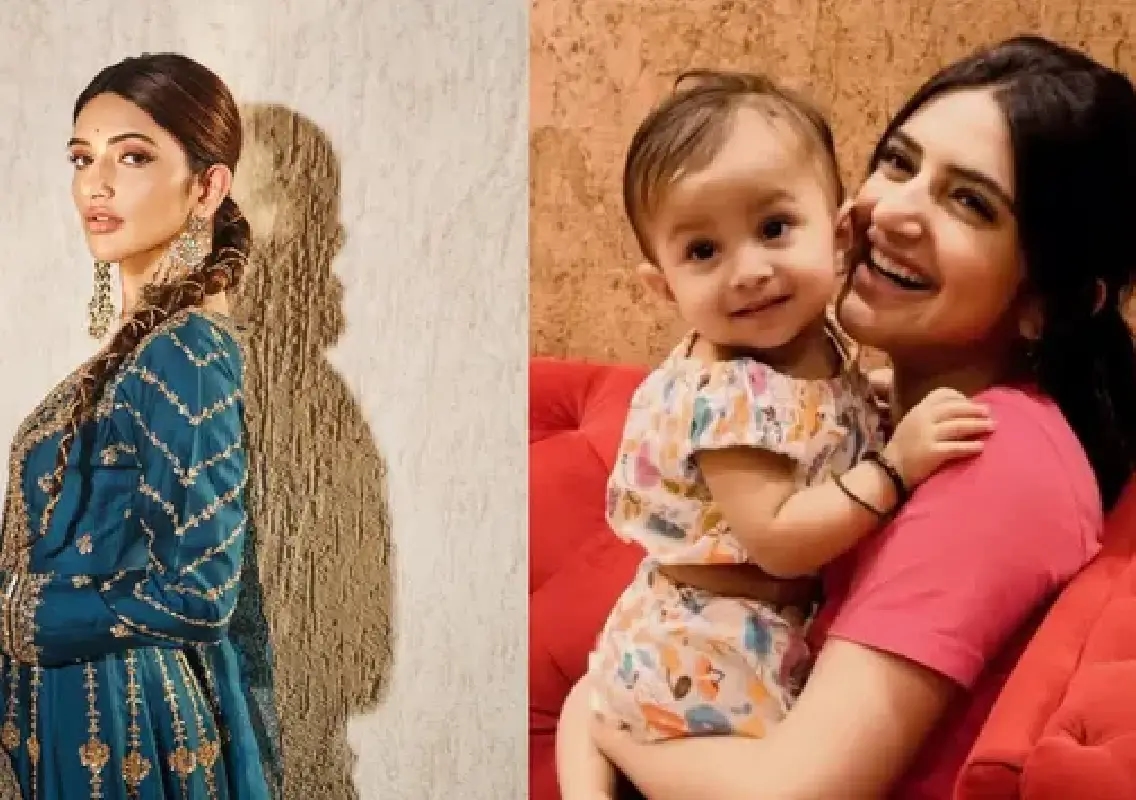


Conversations around motherhood are often framed by rigid expectations—age, biology and traditional family structures. Actor Sreeleela has gently challenged these ideas by speaking about her deeply personal journey of adopting three children by the age of 24, offering a perspective rooted in care, emotional responsibility and quiet commitment.
A journey she once kept private
Reflecting on her experience, Sreeleela admitted that speaking about adoption still makes her emotional. “I fall short of words and get jittery when I talk about it,” she said, adding that she does not see herself fitting into conventional labels of motherhood. “I’m not a mother-mother because there’s an entirely different story to that,” she explained.
She traced the beginning of her journey to her early Kannada film Kiss, when a director took her to an ashram where children were living. “We speak on the phone, and I keep visiting them there,” she shared, underlining that caregiving can exist even without daily physical presence.
For years, she chose to keep this part of her life away from the public eye. “It was a secret for the longest time,” she said, adding that the institution later encouraged her to speak openly—not for praise, but to inspire others to consider adoption.
The emotional weight of early caregiving
Experts say young adoptive caregivers often face challenges that go beyond parenting. Sonal Khangarot, a licensed rehabilitation counsellor, notes that social invalidation is common. Adoption is frequently compared to biological parenting, leading to self-doubt, guilt and pressure to constantly prove one’s competence.
Family reactions, shaped by beliefs around bloodline and legacy, can further complicate matters. Balancing career ambitions with emotional availability for children often creates an ongoing sense of guilt and exhaustion.
Preparing for adoption with awareness
Mental preparation, experts stress, is as important as intent. Understanding attachment, accepting uncertainty and building strong support systems are essential. Adoption-informed counselling and self-reflection can help caregivers remain emotionally present over time.
Sreeleela’s story highlights a simple truth: caregiving is not defined by age or biology, but by consistency, compassion and the willingness to show up—again and again.