







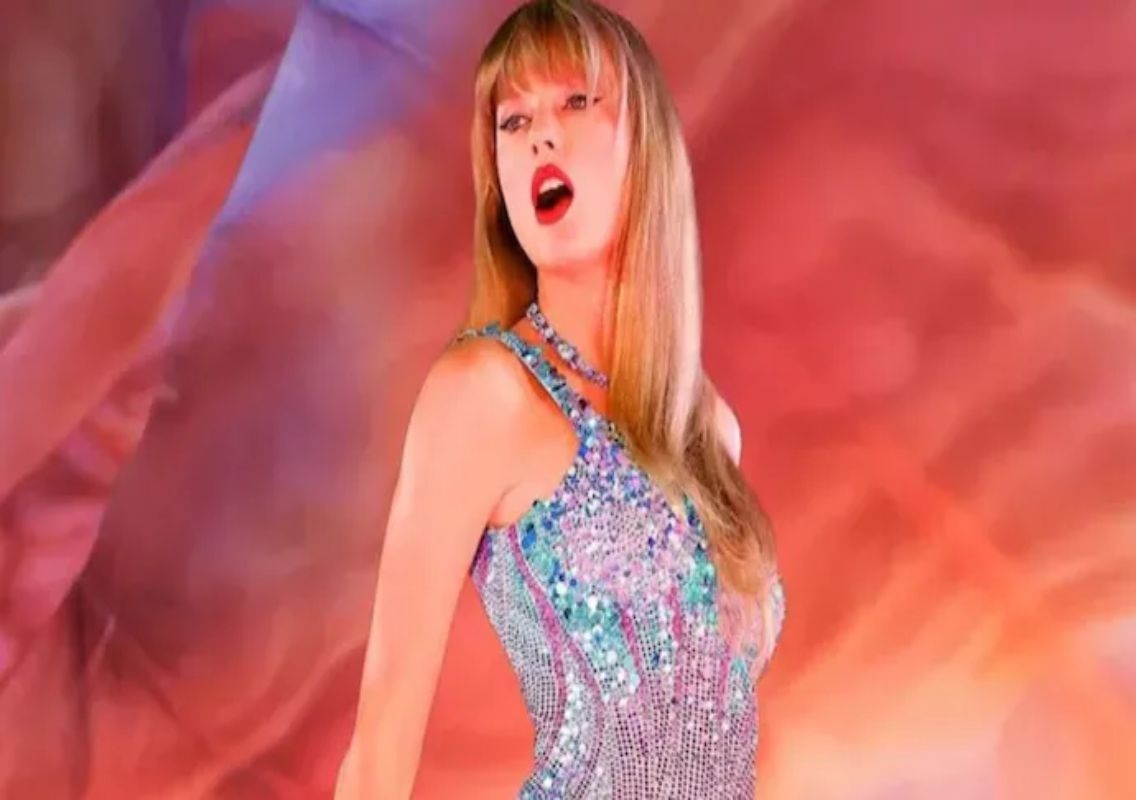


New York: Global pop icon Taylor Swift has filed new trademark applications in the United States to safeguard her voice and visual identity, signalling growing concern among artists over the misuse of artificial intelligence.
The filings, submitted on April 24 through her company TAS Rights Management to the US Patent and Trademark Office, highlight a shift in how celebrities are seeking to protect their personal brand in the age of AI-generated content.
Trademarking voice and stage image
Taylor Swift’s latest applications include three separate trademarks. Two relate to sound marks based on her voice, specifically the phrases “Hey, it’s Taylor Swift” and “Hey, it’s Taylor”.
The third application covers a distinct visual image — a photograph featuring Swift holding a pink guitar, dressed in an iridescent bodysuit with silver boots, set against a vibrant stage backdrop.
Legal experts note that while trademarks have traditionally been used for brand names and logos, such filings indicate a broader attempt to extend legal protection to elements of a celebrity’s identity.
AI concerns reshape legal strategies
The move reflects increasing anxiety within the entertainment industry about the misuse of artificial intelligence, particularly in creating deepfakes and synthetic voice replicas.
Intellectual property professionals suggest that trademark law is now being explored as an additional safeguard, especially as existing laws struggle to keep pace with rapidly evolving AI technologies.
Swift herself has been a frequent target of AI-generated content, including manipulated images and fabricated endorsements circulating online.
A growing trend among celebrities
Swift is not the first celebrity to adopt this strategy. Actor Matthew McConaughey previously secured multiple trademarks, including a sound mark for his iconic line from Dazed and Confused.
In 2025, the USPTO granted McConaughey eight trademarks covering audio and video clips, strengthening his legal position against unauthorised commercial use of his likeness and voice.
Experts say such filings can help public figures take legal action when their identity is used without consent, particularly in commercial contexts.
Swift’s ongoing AI challenges
The need for stronger protections is underscored by Swift’s recent experiences. She has faced multiple instances of AI misuse, including explicit deepfake images and manipulated content shared on digital platforms.
During the 2024 United States presidential election cycle, AI-generated visuals falsely suggesting her political endorsement were circulated online, drawing widespread criticism and concern over misinformation.
These incidents have intensified calls for stricter regulation and better tools to combat AI-driven impersonation.
Trademark dispute adds complexity
Separately, Swift is also dealing with a trademark dispute involving her reported 2025 album The Life of a Showgirl.
Las Vegas performer Maren Wade has filed a lawsuit alleging that the album title infringes her earlier trademark, Confessions of a Showgirl.
The USPTO had earlier rejected Swift’s attempt to trademark “Life of a Showgirl” for live entertainment services, citing possible confusion with Wade’s existing mark.
Industry-wide implications
Swift’s latest filings highlight a broader shift in the entertainment industry, where artists are increasingly seeking innovative legal solutions to protect their identity.
As AI technology continues to blur the line between real and synthetic content, trademark law may become a crucial tool in maintaining control over voice, image and personal branding.
Conclusion
Taylor Swift’s decision to trademark elements of her voice and image marks a significant step in the evolving battle against AI misuse. As digital technologies challenge traditional boundaries of identity, such legal measures could set a precedent for how artists protect themselves in the future.