







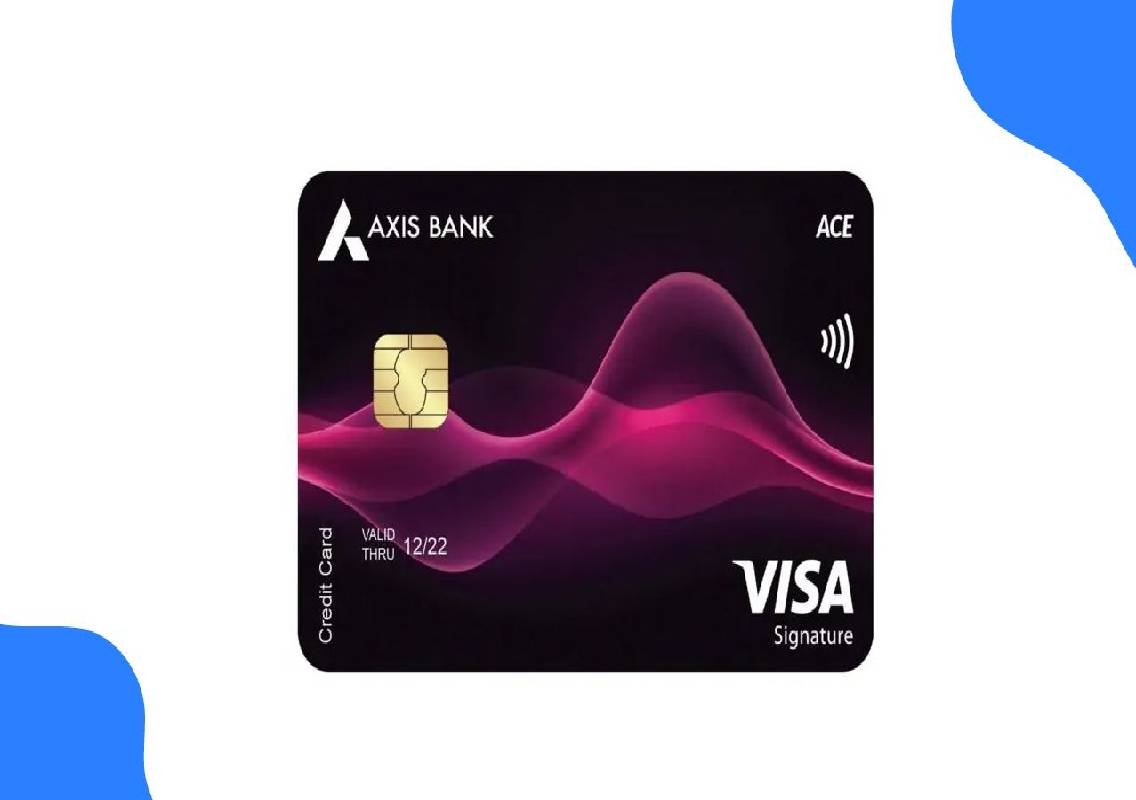


New Delhi: Axis Bank credit card users will see several changes from August 28, 2026, with revised rules affecting dynamic currency conversion (DCC) charges, late payment fees, reward points and the way outstanding payments are adjusted.
The changes are particularly important for customers who use their cards for international transactions, frequently pay tolls or road charges, purchase gift cards or occasionally carry unpaid credit card dues.
DCC markup to rise for international transactions
One of the biggest changes concerns Dynamic Currency Conversion (DCC).
DCC is the option offered at some international merchants or ATMs to pay in Indian rupees instead of the local currency. From August 28, the DCC markup will increase from 1.5% to 3.5% for most affected Axis Bank credit cards.
This means customers who choose to have an overseas transaction converted into Indian rupees at the point of sale could pay a significantly higher markup.
For example, on an eligible transaction equivalent to Rs 1 lakh, a 3.5% markup would amount to Rs 3,500 before applicable taxes, compared with Rs 1,500 under the earlier 1.5% rate.
However, the revised rate is not identical across every Axis Bank card. Premium cards such as Magnus, Magnus for Burgundy and Olympus have separate DCC structures, so customers should check the terms applicable to their specific card.
Travellers should be careful with DCC
The change is especially relevant for Indians travelling abroad.
When a merchant asks whether the customer wants to pay in Indian rupees or the local currency, choosing the local currency can often be preferable because DCC may involve an additional conversion markup and a less favourable exchange rate.
Cardholders should therefore check the currency displayed on the payment terminal before approving an international transaction.
The increase in the DCC markup makes this choice even more important for Axis Bank customers from August 28.
Late payment fee revised
Axis Bank is also changing its late payment fee structure.
From August 28, customers with outstanding dues of more than Rs 50,000 will face a late payment charge of Rs 1,300.
The revised structure will be:
| Outstanding amount | Late payment fee |
|---|---|
| Below Rs 500 | Nil |
| Rs 501–Rs 5,000 | Rs 500 |
| Rs 5,001–Rs 10,000 | Rs 750 |
| Rs 10,001–Rs 50,000 | Rs 1,200 |
| Above Rs 50,000 | Rs 1,300 |
The bank’s revised terms also specify additional consequences for customers who repeatedly miss the minimum amount due.
For customers who generally pay their entire bill on time, this change may have little direct impact. However, those who carry large unpaid balances could face higher charges.
Payment adjustment order will change
Axis Bank is also introducing a defined order for how payments made against outstanding credit card dues will be adjusted.
Under the revised arrangement, payments will first be used towards applicable fees and charges, including taxes. They will then be adjusted towards EMIs, interest charges, purchase transactions and cash advances in the specified order.
This matters particularly for customers who make only partial payments.
A customer may assume that a payment has substantially reduced the principal amount spent on purchases, while the bank’s payment allocation rules may first settle other outstanding charges.
Understanding the order can therefore help cardholders avoid unexpected interest accumulation.
Rewards and cashback exclusions expanded
Another important change involves reward points and cashback.
From August 28, transactions involving bridge fees, road fees and tolls will no longer earn reward points or cashback on applicable Axis Bank credit cards.
This could affect customers who use their credit cards regularly for toll payments or other road-related expenses.
The change is particularly relevant for users who previously included such transactions while trying to reach spending milestones or maximise their rewards.
Gift card transactions remain excluded
Gift card purchases are also being treated separately under the revised reward framework.
Such transactions will not earn reward points or cashback, and on applicable cards they may also be excluded when calculating certain spend-based fee waivers or milestone benefits.
This means customers should not assume that a large gift card purchase will contribute towards spending targets simply because the transaction is made using an Axis Bank credit card.
The revised classification is part of a broader tightening of reward eligibility across some cards.
Not every Axis Bank card will have identical changes
An important point for cardholders is that Axis Bank’s credit card portfolio has different terms for different products.
Premium cards can have separate fee structures, reward programmes and exclusions.
For instance, the bank’s current documentation shows different foreign transaction and DCC arrangements for cards such as Magnus, Magnus for Burgundy, Olympus, Burgundy Private and Primus.
Therefore, customers should check the updated terms and conditions applicable to their individual card instead of assuming that every change applies in exactly the same way.
What should Axis Bank cardholders do?
Customers can take a few simple steps before the new rules come into effect.
First, international travellers should understand DCC and avoid accepting rupee conversion at overseas terminals unless there is a specific reason to do so.
Second, cardholders should ensure that their credit card bills are paid on time, particularly if they regularly carry large outstanding balances.
Third, customers who rely heavily on reward points should review which transactions qualify after August 28.
Finally, anyone using an Axis Bank card for tolls, road charges or gift card purchases should reconsider how much value they are receiving from those transactions.
Why these changes matter
Credit card users often focus on joining benefits, cashback and reward points while overlooking changes to fees and exclusions.
However, a higher markup on international transactions or a late payment charge can quickly offset the value of rewards earned elsewhere.
For frequent travellers, the DCC change is likely to be the most noticeable. For customers who occasionally miss payments, the revised late fee could become more relevant.
Meanwhile, frequent toll users and customers who make large gift card purchases may see a reduction in the rewards they previously received.
Conclusion
Axis Bank is introducing several credit card rule changes from August 28, 2026. The most significant include a rise in the DCC markup for most affected cards from 1.5% to 3.5%, a revised late payment fee of Rs 1,300 for outstanding amounts above Rs 50,000, changes to payment adjustment rules and the removal of rewards or cashback on certain road-related transactions.
Gift card transactions will also remain outside reward eligibility, with some cards excluding them from spending-based benefits.
The changes do not apply identically across the entire Axis Bank credit card range, making it important for customers to check the updated terms for their specific card. For international users in particular, understanding DCC and choosing the local currency where appropriate could help avoid unnecessary costs.