







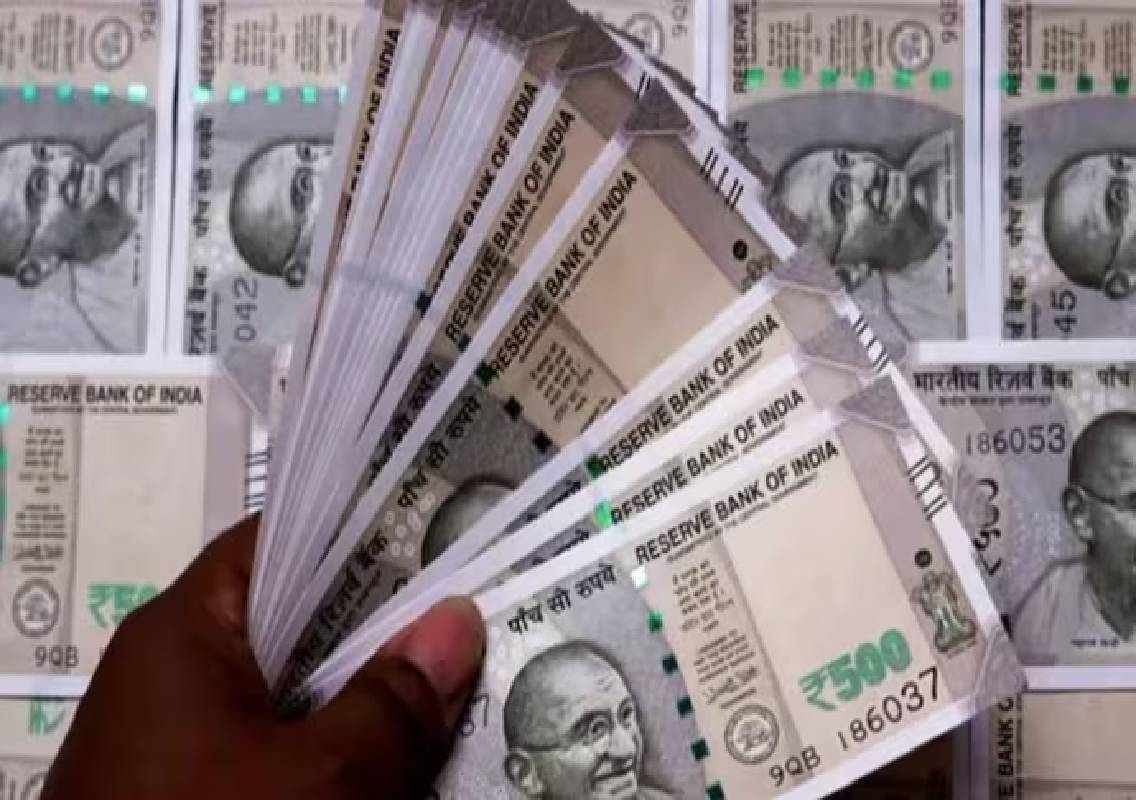


New Delhi: The Central Government has ruled out abolishing the long-term capital gains (LTCG) tax on listed equities, stating that there is currently no proposal under consideration to withdraw the levy for retail or domestic investors. The clarification was made in the Lok Sabha by Minister of State for Finance Pankaj Chaudhary, who also highlighted a sharp rise in LTCG tax collections, underscoring the tax’s growing contribution to government revenue.
The statement comes amid repeated demands from investors and market participants for a rollback of the tax to encourage long-term investing and improve sentiment in the equity markets.
No proposal to abolish LTCG tax
Replying to a question in the Lok Sabha, Pankaj Chaudhary said the government has no proposal at present to scrap the long-term capital gains tax on listed equity shares.
He added that tax policies, including capital gains taxation, are reviewed periodically during the annual Union Budget process after considering prevailing macroeconomic conditions and the government’s fiscal priorities.
The Finance Ministry’s response reiterates its consistent position over the past few years that there are no immediate plans to remove the levy.
LTCG tax collections jump 78%
The government also shared data highlighting the growing importance of LTCG tax collections.
According to figures placed before Parliament, revenue from long-term capital gains tax on equity transactions surged 78% year-on-year to Rs 1,29,158 crore in Assessment Year 2025-26, compared with Rs 72,249 crore in the previous assessment year.
The significant increase reflects strong participation in the equity markets, higher capital gains realised by investors and the increasing contribution of capital gains taxation to the government’s revenue.
Current LTCG tax rules
Under the existing tax regime, long-term capital gains arise when listed equity shares or equity-oriented mutual funds are sold after being held for more than one year.
Capital gains exceeding Rs 1.25 lakh in a financial year are taxed at 12.5%, while gains up to that threshold remain exempt.
Meanwhile, short-term capital gains (STCG) on listed equity investments are taxed at 20%.
These tax rates have remained unchanged since the revisions announced in the Union Budget 2024.
Why investors sought a rollback
Over the past year, several market experts and investor groups have urged the government to reconsider the LTCG tax structure.
Many argued that reducing the tax rate or increasing the exemption threshold would encourage long-term wealth creation, improve post-tax investment returns and strengthen investor confidence amid record highs in the Indian stock markets.
Some stakeholders also sought greater parity between domestic investors and certain foreign investors following tax incentives announced for foreign portfolio investors (FPIs) investing in government securities.
However, the government’s latest clarification indicates that no such changes are currently being considered.
Tax policy reviewed during Budget
While ruling out the immediate withdrawal of LTCG tax, the government reiterated that taxation policies are reviewed regularly as part of the annual Budget exercise.
Officials said any future changes would depend on broader economic conditions, fiscal requirements and overall tax policy objectives.
For now, investors should not expect any changes to the taxation of long-term equity investments, with the existing framework continuing to remain in force.
Outlook for investors
The government’s response provides clarity for investors and financial markets by confirming that the current LTCG tax regime will continue.
With equity market participation remaining robust and tax collections rising sharply, the Centre appears inclined to retain the existing structure while continuing to evaluate tax policy during future Budget exercises.