




New Delhi: China has expressed its willingness to work with India to address bilateral economic and trade concerns after Union Finance Minister Nirmala Sitharaman raised concerns over the growing trade deficit and restrictions on Indian products entering the Chinese market.
Chinese Foreign Ministry spokesperson Mao Ning said Beijing was ready to engage with India to address the concerns of both countries in a balanced manner. Her remarks came after Sitharaman highlighted the difficulties faced by Indian exporters despite years of discussions with China on improving market access.
“What I can tell you is that China never aims for trade surplus,” Mao said at a media briefing while responding to a question about Sitharaman’s comments on the trade imbalance.
She added that China was prepared to work with India to address mutual economic and trade concerns and support the steady development of bilateral relations. Mao also indicated that specific questions on the trade issue should be directed to the relevant Chinese authorities.
Sitharaman flags restrictions on Indian products
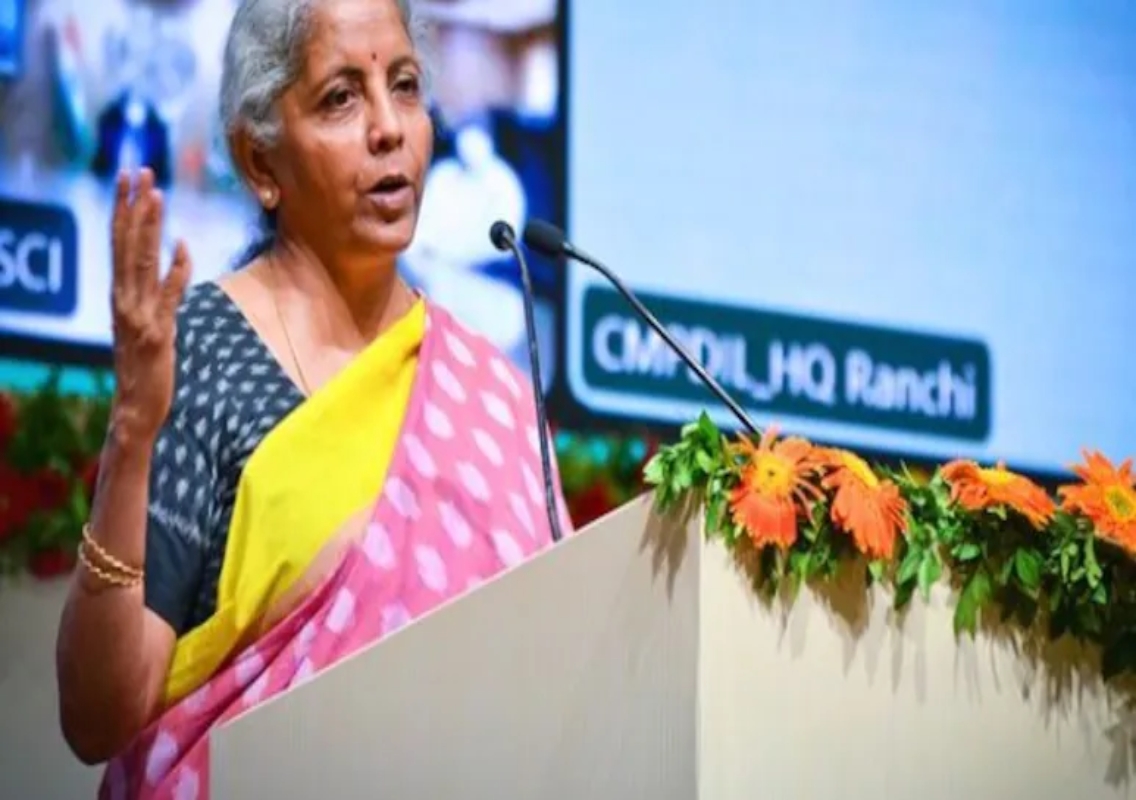
Speaking during an interaction with the Atlantic Council on the sidelines of the IMF-World Bank annual meetings in Bangkok, Thailand, Sitharaman said the growing trade imbalance with China remained a major concern for India.
She pointed out that Indian products continued to face difficulties in accessing the Chinese market, despite sustained engagement between the two countries over several years.
India has been seeking greater access to China for several products, including generic medicines, bovine meat, vegetables and other perishable agricultural goods. However, Sitharaman said progress in opening the market to these products had remained limited.
She identified non-tariff barriers as a major obstacle to bilateral trade, arguing that restrictions imposed through regulatory measures continued to affect Indian exporters.
“Non-tariff barriers are the biggest hurdle in the trade between India and China,” she said.
Sitharaman also referred to phytosanitary measures and other non-tariff restrictions that can affect the movement of agricultural products across borders. Such measures are generally associated with protecting plants and agricultural systems from pests and diseases, but differences in regulatory requirements can create challenges for exporters seeking access to foreign markets.
The finance minister said these issues could potentially be addressed through discussions and investigations, rather than allowing restrictions to persist.
India’s trade deficit with China crosses $100 billion
The concerns come as the trade imbalance between India and China continues to widen.
According to data released by China Customs for January to September 2026, India’s trade deficit with China reached $105.93 billion, marking an increase of 20.7 per cent compared with the corresponding period last year.
Bilateral trade between the two countries rose to $144.45 billion during the nine-month period, registering growth of 25.4 per cent.
China’s exports to India amounted to $125.19 billion, an increase of 23.3 per cent year on year. Indian exports to China reached $19.26 billion, registering a stronger growth rate of 40.7 per cent over the same period.
Although Indian exports recorded significant percentage growth, the overall value of imports from China remained substantially higher than India’s exports to its neighbour. This difference contributed to the trade deficit crossing the $100-billion mark.
The figures underline the scale of the trade relationship between the two countries, as well as the challenge India faces in narrowing the gap between imports and exports.
India continues to seek better market access
India has repeatedly sought improved access to China for products in sectors where Indian businesses have export potential, including information technology, pharmaceuticals and agriculture.
Sitharaman’s remarks highlighted the difficulties Indian companies face when attempting to expand their presence in the Chinese market. According to the finance minister, restrictions on market access have remained a concern despite years of engagement between the two sides.
She also said India had not chosen to respond to large trade imbalances by imposing punitive tariffs on its trading partners. Instead, the country had continued to pursue negotiations, even when the process took time.
Her comments indicate that India is seeking to address the trade gap by improving opportunities for its exporters, rather than relying solely on retaliatory measures.
Greater access for Indian products could help exporters explore a larger market and potentially contribute to reducing the imbalance. However, progress would depend on how the concerns raised by India are addressed and whether regulatory and market-access issues can be resolved.
China signals willingness to engage
China’s statement that it is ready to address the concerns of both countries provides an indication of its stated willingness to continue discussions on trade issues.
Mao’s remarks emphasised a balanced approach to economic concerns and the importance of maintaining the development of bilateral relations. However, the statement did not set out specific measures or a timeline for resolving India’s complaints about market access.
The immediate issue remains whether the two countries can translate their stated willingness to engage into practical changes that improve trading conditions for Indian exporters.
With bilateral trade continuing to expand and the deficit exceeding $100 billion in the first nine months of 2026, market access and the balance of trade are likely to remain important subjects in India-China economic discussions.
The latest exchange highlights the difference between the two countries’ stated positions: India is seeking more opportunities for its goods in China, while Beijing has said it is prepared to work towards addressing mutual trade concerns. The outcome will depend on the progress made through discussions and any concrete steps taken to resolve the barriers identified by India.