







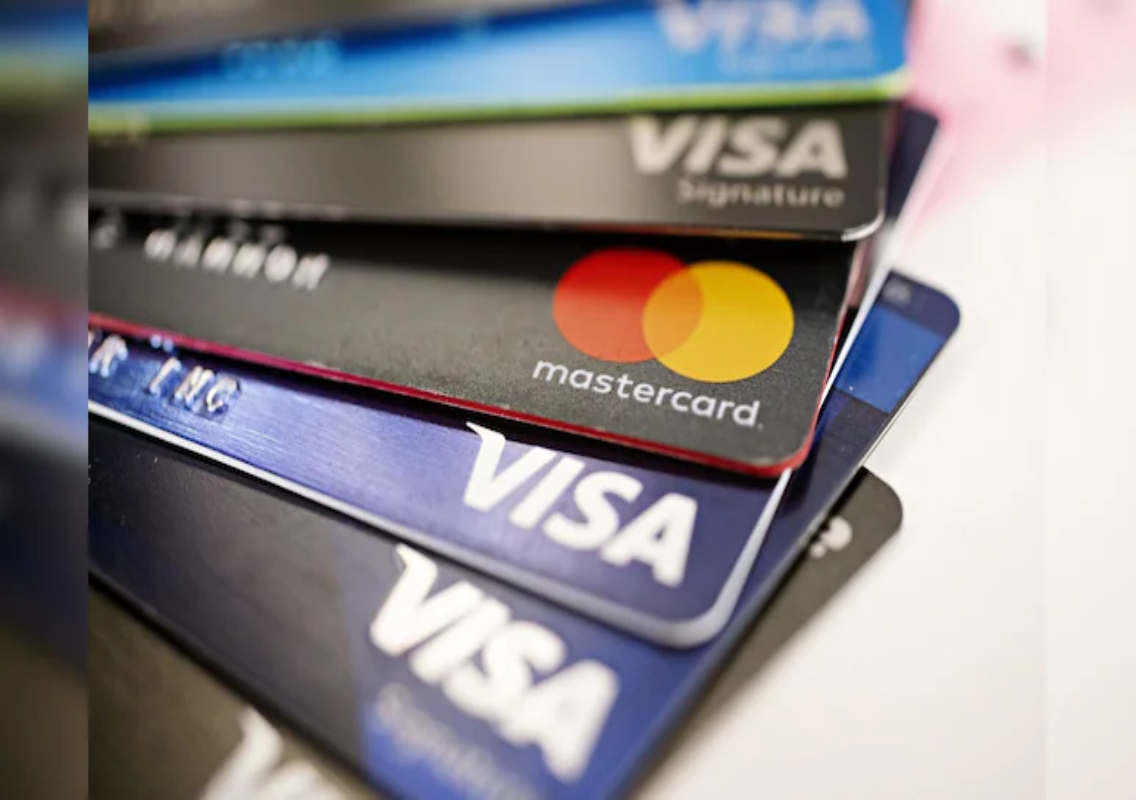


Mumbai: India’s credit card spending remained subdued in August 2026, with spending growth moderating even as banks continued to add new cards, according to analyses by HSBC and Jefferies. The latest data points to a widening gap between growth in the number of cards and growth in spending, while competition among issuers continues to increase.
According to the Reserve Bank of India data cited by market reports, credit card spending fell 2.8% month-on-month to Rs 2.02 lakh crore in August, from Rs 2.08 lakh crore in July. On a year-on-year basis, however, spending was up 5.9%, compared with Rs 1.91 lakh crore in August 2025.
The August numbers have drawn attention from brokerages as the credit card industry navigates slower spending growth, increasing competition and changes in consumer payment behaviour.
Credit card spending growth slows
Jefferies estimated that industry credit card spending growth moderated to 5.5% year-on-year in August, compared with the previous month’s level. At the same time, card volume growth improved to 9.5%, highlighting that the number of cards in circulation is growing faster than spending.
The broader RBI data showed that banks added about 1.19 million new credit cards in August, lower than the 1.26 million cards added in July. Despite the slower pace of additions, the total number of credit cards outstanding rose to 12.41 crore by the end of August, from 12.29 crore a month earlier.
On a year-on-year basis, the overall card base was around 10.3% higher than the 11.25 crore cards outstanding in August 2025.
The data suggests that card penetration is continuing to increase, although consumers are not increasing their spending on cards at the same pace.
HSBC flags subdued spending growth
HSBC’s assessment remains cautious on the credit card segment. The brokerage noted that August spending growth remained muted, while competition among card issuers continued to intensify.
HSBC said credit card issuances increased 10.3% year-on-year, but spending growth was only 5.9% year-on-year in August. The brokerage also highlighted that credit cards received some relief from changes related to merchant discount rates on UPI, although UPI continues to dominate India’s digital payments landscape.
HSBC’s view reflects a broader concern in the industry: a larger card base is not necessarily translating into proportionately higher spending.
The brokerage has maintained a negative view on the segment, citing muted spending growth, increased competition and pressure on profitability. This is HSBC’s assessment of the sector rather than a guarantee about future performance.
Jefferies sees competition affecting issuers
Jefferies also highlighted the competitive dynamics within the credit card industry.
According to the brokerage’s August analysis, SBI Cards’ spending growth slowed to 7% year-on-year, while its share of industry spending declined to 17.5%. The company nevertheless recorded improved card growth, with net additions rising to 0.19 million, or about 1.9 lakh cards, during August.
Jefferies also observed changes in market share among the major issuers. HDFC Bank gained spending share month-on-month, while ICICI Bank and Axis Bank saw their shares decline.
The movement indicates that competition is not only about increasing the number of cards issued but also about attracting greater spending from existing cardholders.
SBI Cards sees mixed trends
SBI Cards remains an important player in the Indian credit card market, but its August numbers showed mixed trends.
While card additions improved, its share of industry spending declined. Jefferies said the company’s spending growth slowed to 7% year-on-year in August, compared with stronger growth previously. Its spending share fell to 17.5%.
The development comes amid broader competition from large private-sector banks and smaller issuers that are expanding their card businesses.
Earlier July data had also shown a divergence between SBI Cards’ spending growth and its market share. Jefferies had reported 22% year-on-year spending growth for SBI Cards in July, even as its share of industry spending declined by 140 basis points month-on-month.
Card additions continue despite slower spending
The continued increase in India’s credit card base is an important feature of the latest data.
The total number of cards outstanding reached 12.41 crore at the end of August, up from 12.29 crore in July and 11.25 crore a year earlier. This means the card base grew substantially faster than overall spending during the year.
The trend follows a pattern seen in earlier months, when credit card transaction volumes and card additions remained relatively strong even as spending growth slowed.
In July, for example, industry cards outstanding had risen around 9.9% year-on-year, while spending growth was more moderate. Market analysts had also pointed to increasing transaction frequency alongside smaller average transaction values.
UPI remains a major competitive factor
The credit card industry is also operating in an increasingly competitive digital payments market.
UPI continues to account for a dominant share of India’s digital payment activity, putting pressure on card issuers to differentiate their products through rewards, offers, credit limits and other benefits.
HSBC noted that credit cards have received some relief from changes involving MDR on UPI, but still highlighted UPI’s continued dominance.
For banks and card companies, the challenge is therefore not simply issuing more cards but encouraging customers to use them for a larger share of their everyday spending.
What the August data means for card issuers
The August figures present a mixed picture for India’s credit card industry. The number of cards continues to rise, but spending growth remains comparatively weak.
The 5.9% year-on-year increase in spending, against 10.3% growth in the card base, indicates that card additions are currently outpacing spending growth. The 2.8% month-on-month fall in total spending further underlines the moderation seen during August.
For issuers, the combination of muted spending, greater competition and pressure on profitability could make customer acquisition and retention increasingly important.
At the same time, the continued expansion of India’s card base indicates that credit cards remain an important part of the country’s consumer finance and payments ecosystem.
The coming months will show whether spending growth begins to catch up with the expanding card base or whether the gap highlighted by HSBC and Jefferies persists.