









New Delhi: The Union Government has earmarked ₹5.01 lakh crore for the welfare of women and girls under the Gender Budget Statement for the financial year 2026-27, marking an 11.55 per cent increase over the ₹4.49 lakh crore allocated in the previous financial year.
The enhanced allocation, announced as part of the Union Budget 2026-27, reflects the government’s continued focus on gender-responsive budgeting and strengthening programmes aimed at improving the socio-economic status of women and girls across the country.
According to the Ministry of Women and Child Development, the Gender Budget’s share in the total Union Budget has also increased, indicating a greater emphasis on inclusive development and women’s empowerment.
Higher allocation in Union Budget
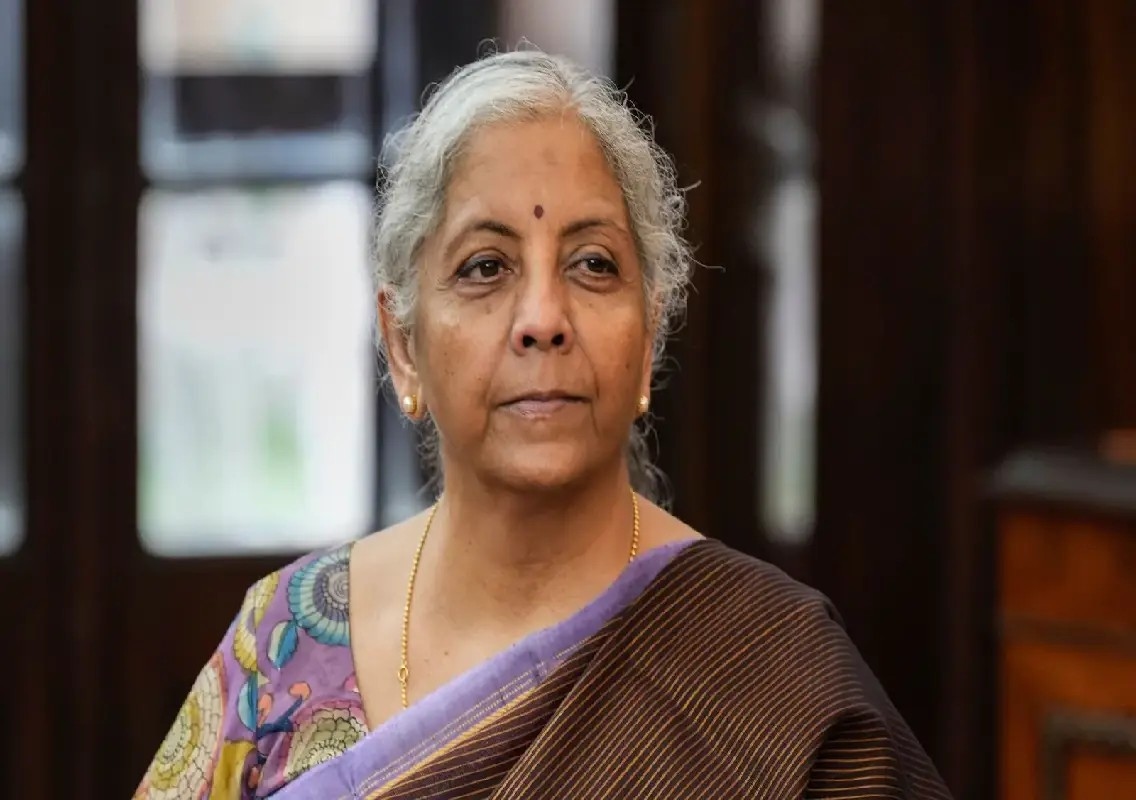
Union Finance and Corporate Affairs Minister Nirmala Sitharaman, while presenting the Union Budget 2026-27, announced a substantial increase in the Gender Budget allocation.
The Gender Budget Statement provides a consolidated picture of government expenditure directed towards schemes and programmes that benefit women and girls, either exclusively or as a significant component of their implementation.
For the current financial year, the allocation stands at ₹5.01 lakh crore, compared to ₹4.49 lakh crore in 2025-26.
The increase of 11.55 per cent highlights the government’s efforts to expand investments in initiatives related to women’s welfare, health, education, livelihood, financial inclusion and social security.
Share in total Budget rises
The Ministry of Women and Child Development stated that the Gender Budget now accounts for 9.37 per cent of the total Union Budget, up from 8.86 per cent in the previous financial year.
The higher share reflects a growing commitment to integrating gender considerations into public expenditure and policy planning across sectors.
Gender budgeting aims to ensure that government spending addresses the specific needs of women and girls while promoting equality and inclusive growth.
It also enables policymakers to assess how financial allocations contribute to improving access to education, healthcare, employment opportunities and social protection for women.
Record participation by Ministries and Departments
The Ministry said 53 Ministries and Departments and five Union Territories have reported Gender Budget allocations in the current financial year.
This represents the highest level of reporting since the inception of the Gender Budget framework.
In comparison, 49 Ministries and Departments along with five Union Territories had submitted allocations under the Gender Budget Statement in the previous financial year.
The Ministry also noted that four new Ministries and Departments have reported Gender Budget allocations for 2026-27, expanding the scope of gender-responsive budgeting within the Union Government.
The increased participation indicates that more government departments are incorporating gender-focused expenditure into their planning and reporting processes.
Strengthening women’s development initiatives
Gender budgeting has emerged as an important policy tool for promoting women’s empowerment by ensuring that financial resources are directed towards programmes that address gender disparities.
The allocations cover a wide range of initiatives, including maternal and child health, nutrition, education, skill development, entrepreneurship, financial inclusion, social welfare and safety measures for women.
By integrating gender considerations into budgeting across multiple sectors, the government seeks to improve outcomes for women and girls while supporting their participation in economic and social development.
Officials say the expanded reporting by Ministries and Departments will also improve transparency and help monitor the effectiveness of gender-focused public spending.
Focus on inclusive growth
The enhanced Gender Budget allocation aligns with the government’s broader objective of promoting inclusive and equitable development.
Experts note that sustained investments in women’s health, education, employment and social protection contribute not only to gender equality but also to overall economic growth and national development.
With the Gender Budget now accounting for nearly one-tenth of the total Union Budget and more Ministries participating in the reporting process, the government aims to strengthen policy implementation and ensure that programmes benefiting women and girls receive adequate financial support.
The record allocation in the Union Budget 2026-27 marks another step towards mainstreaming gender-responsive governance and advancing women’s empowerment across the country.