







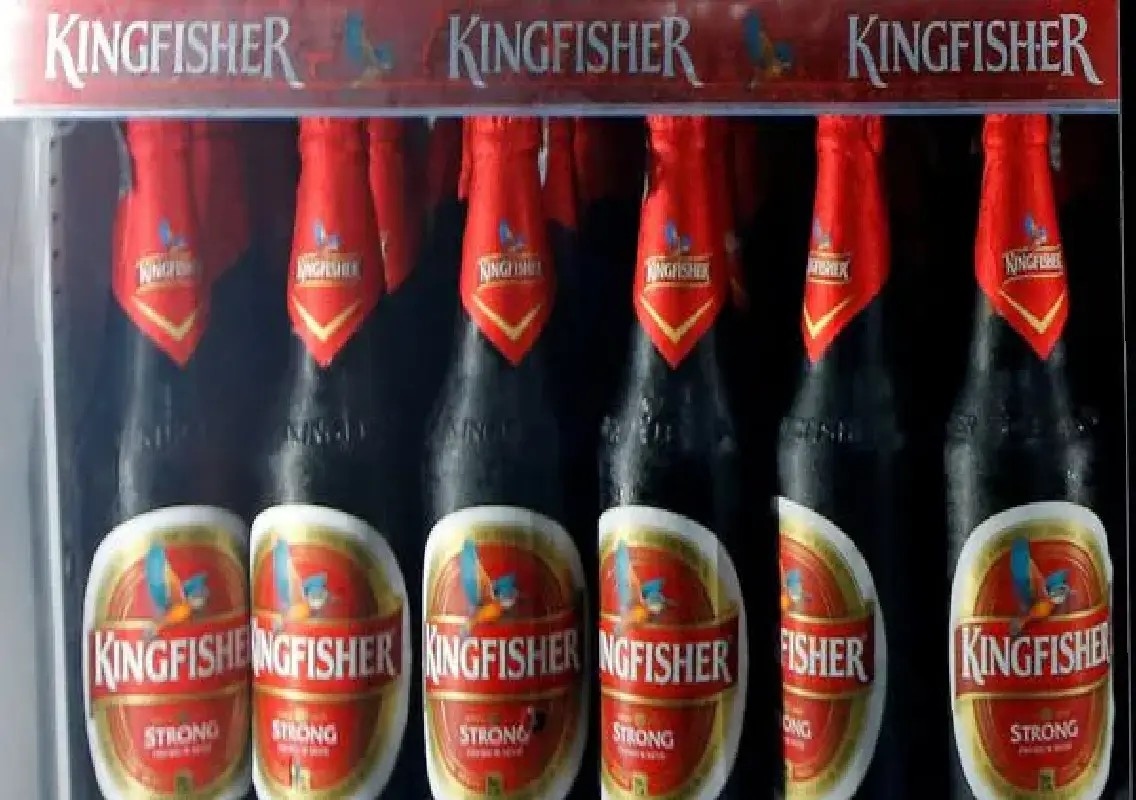


Bengaluru: Karnataka has become the first state in India to implement an Alcohol-in-Beverage (AIB)-based excise duty structure for alcoholic beverages. The new taxation model, introduced from May 11, 2026, aims to rationalise liquor pricing, align rates with neighbouring states and introduce a pricing system linked directly to alcohol content.
The Karnataka Excise Department stated that the AIB-based structure is considered a globally recognised standard for alcohol taxation and is expected to bring greater transparency and efficiency to the pricing system.
The reform was announced by Chief Minister Siddaramaiah during the 2026–27 state Budget and officially came into force this month.
New taxation linked to alcohol content
Under the previous system, excise duty was calculated on a bulk litre basis. The new structure replaces that approach with a model that calculates taxes based on the actual percentage of alcohol present in a beverage.
According to the government, the new system directly targets alcohol content, which is viewed as the principal factor associated with public health and social concerns.
The proposal for implementing the new taxation model was initially made by the KP Krishnan-headed Resource Mobilisation Committee as part of recommendations on Karnataka excise reforms.
The government has also set a revenue target of ₹45,000 crore from the excise sector for the financial year 2026–27.
Pricing system receives major changes
The revised structure introduces changes in the way liquor products are categorised and priced.
Under the new policy, government-administered price fixation has been deregulated and producers have been given flexibility to position their products within designated pricing slabs based on market considerations and alcohol content.
Officials stated that Indian Made Liquor (IML) slabs have been rationalised and reduced from 16 categories to eight categories.
The revised Maximum Retail Prices (MRPs) will apply to products manufactured after May 11, 2026.
The Excise Department has also instructed the publication of revised prices and product sizes for liquor and beer brands in leading Kannada and English newspapers across the state.
Some products become cheaper, others costlier
The new structure is expected to affect prices differently across categories of alcoholic beverages.
Reports indicate that prices of mild and lager beers with approximately 5 per cent alcohol content have reduced by around 20 to 25 per cent under the revised system.
Premium Scotch whiskies have also reportedly become cheaper by around 20 per cent.
However, the first five excise slabs of Indian Made Liquor are reported to have seen price increases ranging between 20 and 25 per cent.
The revised pricing system is aimed at creating a more balanced taxation structure while also ensuring competitiveness with neighbouring states including Tamil Nadu, Andhra Pradesh, Telangana, Maharashtra and Kerala.
Karnataka introduces first-of-its-kind model
With the implementation of the AIB-based structure, Karnataka has become the first state in the country to adopt a taxation model that directly links excise duty to alcohol content.
The government believes the move will simplify pricing mechanisms and modernise the state’s excise framework while supporting revenue growth and consumer pricing reforms.
The impact of the new policy on consumers, manufacturers and revenue generation is expected to become clearer in the coming months.