







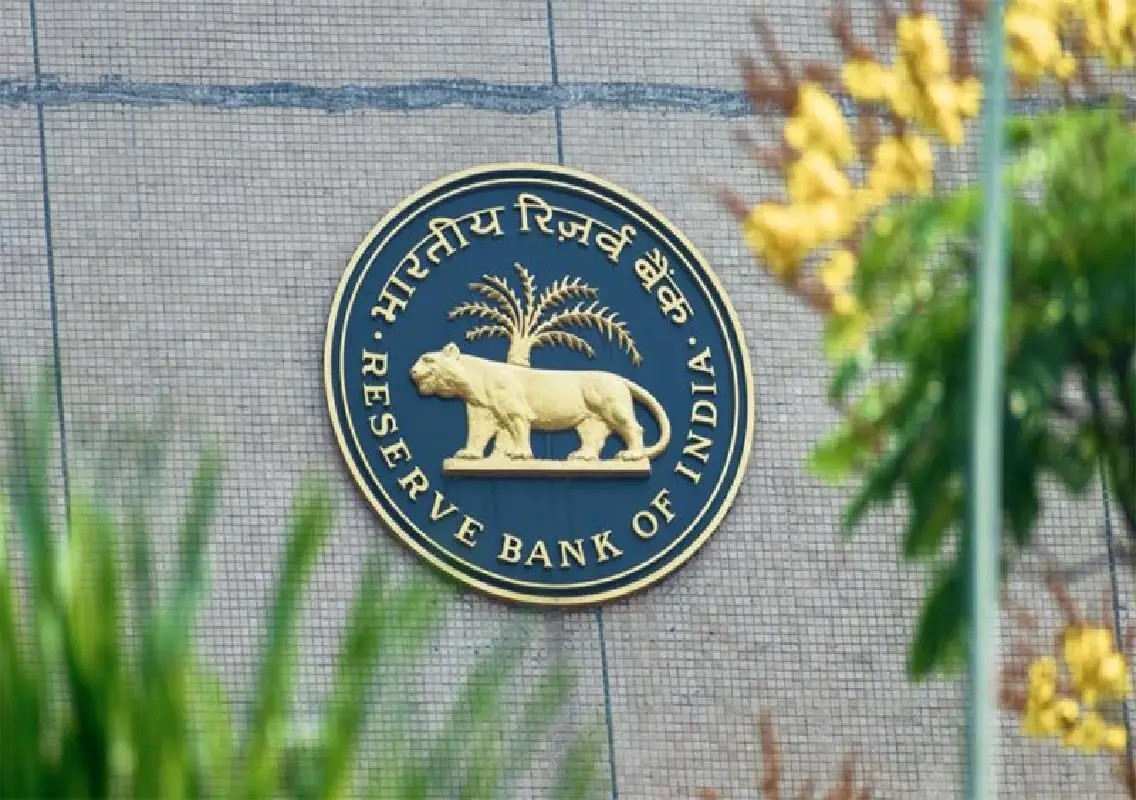


Mumbai: In a major regulatory action, the Reserve Bank of India (RBI) has cancelled the licence of Paytm Payments Bank, marking a significant development in India’s digital payments ecosystem. The move is expected to bring sweeping changes to the functioning of Paytm’s widely used wallet and banking-related services.
The decision represents a serious setback for Paytm, whose payments bank arm has been central to handling wallet balances, processing transactions, and supporting merchant payments across the country.
Impact on users and services
With the cancellation of the licence, Paytm Payments Bank will no longer be permitted to carry out core banking functions. These include accepting deposits, maintaining wallet balances in the current structure, and facilitating certain financial services linked directly to the payments bank.
The development is likely to affect millions of users and merchants who depend on Paytm for everyday digital transactions, bill payments, and business operations. Wallet services, which have been a key offering of the platform, are expected to undergo changes as the company transitions to alternative arrangements.
Customers may soon receive detailed guidance on how to manage or transfer their wallet balances and linked services to ensure continuity.
Regulatory concerns behind the move
The RBI’s action follows concerns related to compliance and operational practices at the payments bank. While the central bank has not fully detailed the latest reasons in this development, regulatory scrutiny of fintech platforms has been intensifying in recent years.
Industry observers note that the move signals the RBI’s firm stance on enforcing compliance standards, particularly for institutions handling public funds and digital transactions at scale.
Paytm explores alternative arrangements
In response to the development, Paytm has stated that it is working with partner banks to minimise disruption for users. The company is expected to restructure parts of its services by collaborating with other regulated banking entities.
This could involve shifting wallet operations, merchant settlements, and payment processing to external banking partners, ensuring that users can continue using the platform with minimal inconvenience.
Wider implications for fintech sector
Experts believe the RBI’s decision could have far-reaching implications for India’s rapidly growing fintech sector. The move may lead to tighter oversight, stricter compliance requirements, and increased accountability for digital payment platforms.
It also highlights the importance of regulatory alignment for fintech firms, especially those operating quasi-banking models such as payments banks.
At the same time, the development could reshape competition within the digital payments space, potentially opening opportunities for other players to expand their market share.
Conclusion
The cancellation of Paytm Payments Bank’s licence marks a pivotal moment for both the company and India’s digital payments landscape. While the immediate impact will be felt by users and merchants, the long-term effect could lead to a more regulated and stable fintech environment.
As Paytm works to transition its services and reassure customers, the coming weeks will be crucial in determining how smoothly the shift unfolds and how users adapt to the changes.